
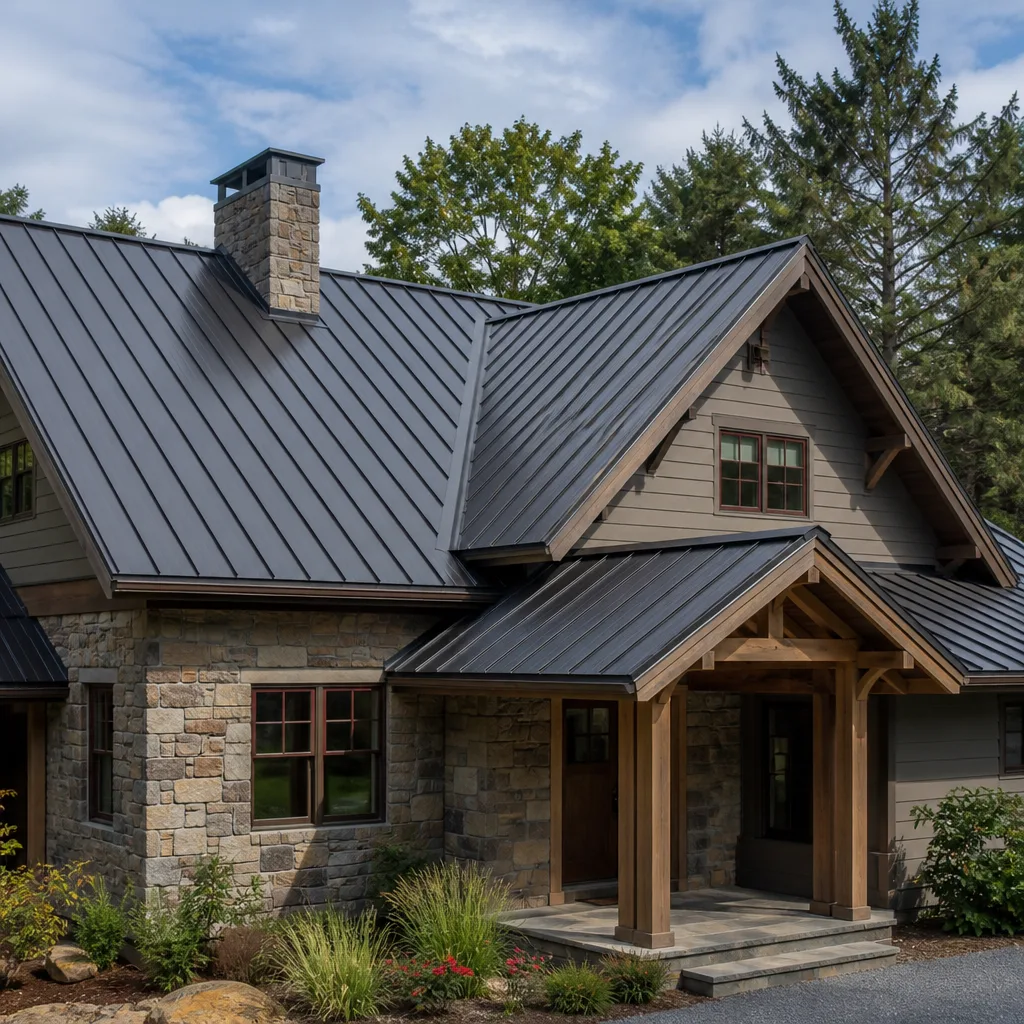
 Metal roofing
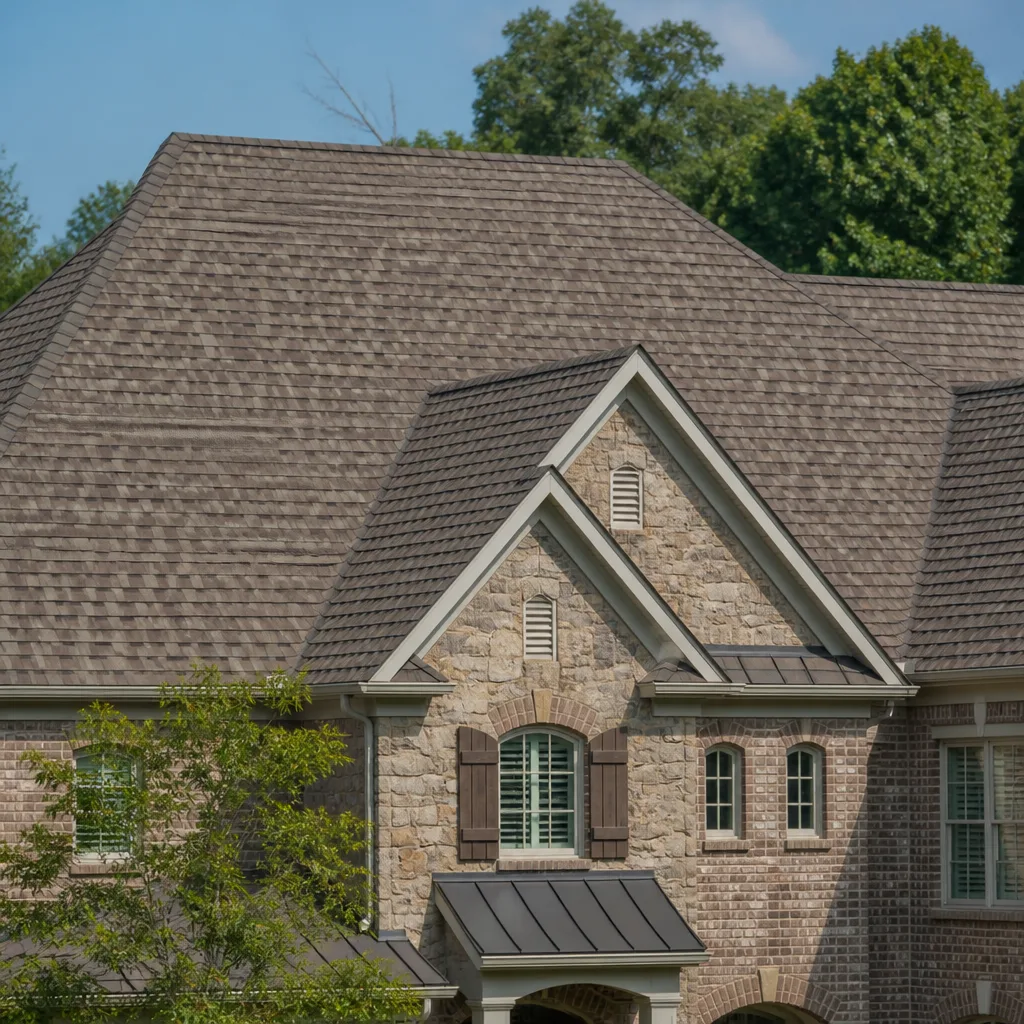 Architectural shingles
 Tile roofing
 GAF
GAF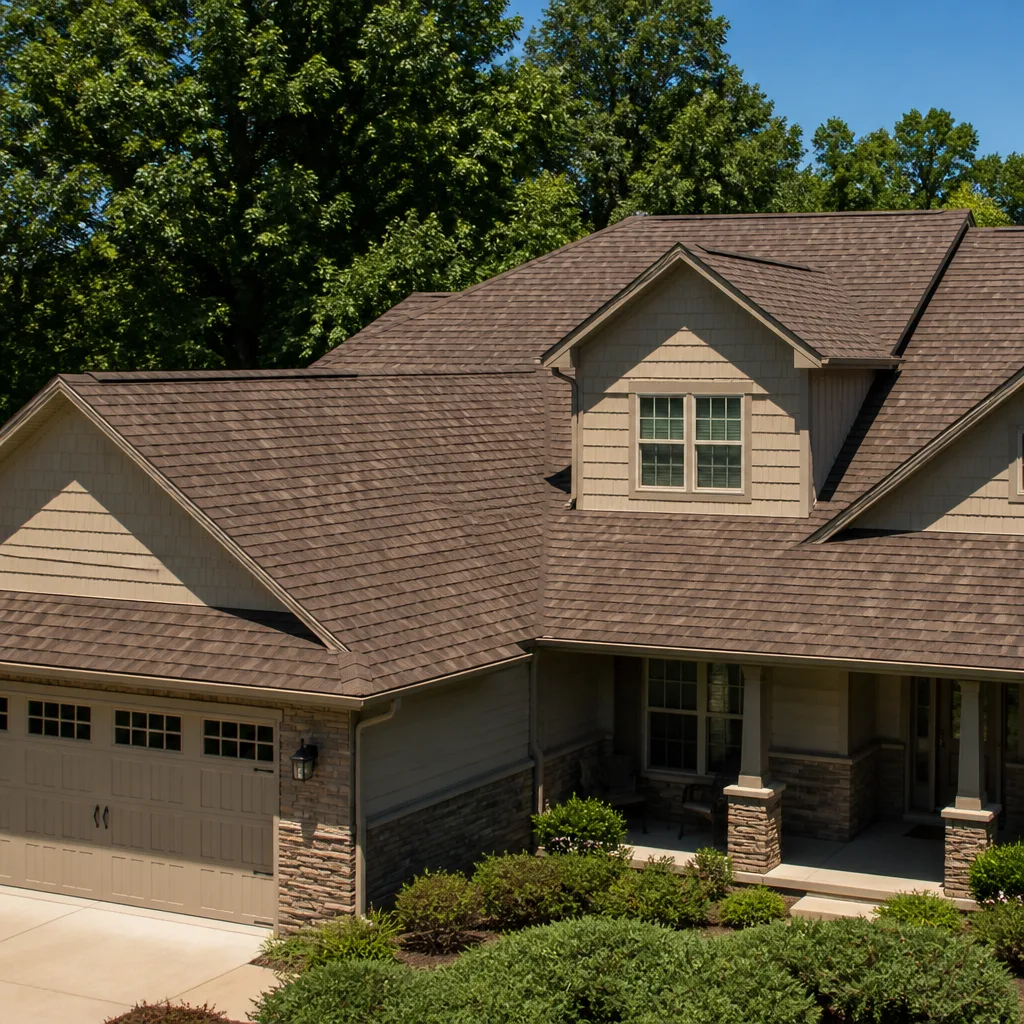 Owens Corning
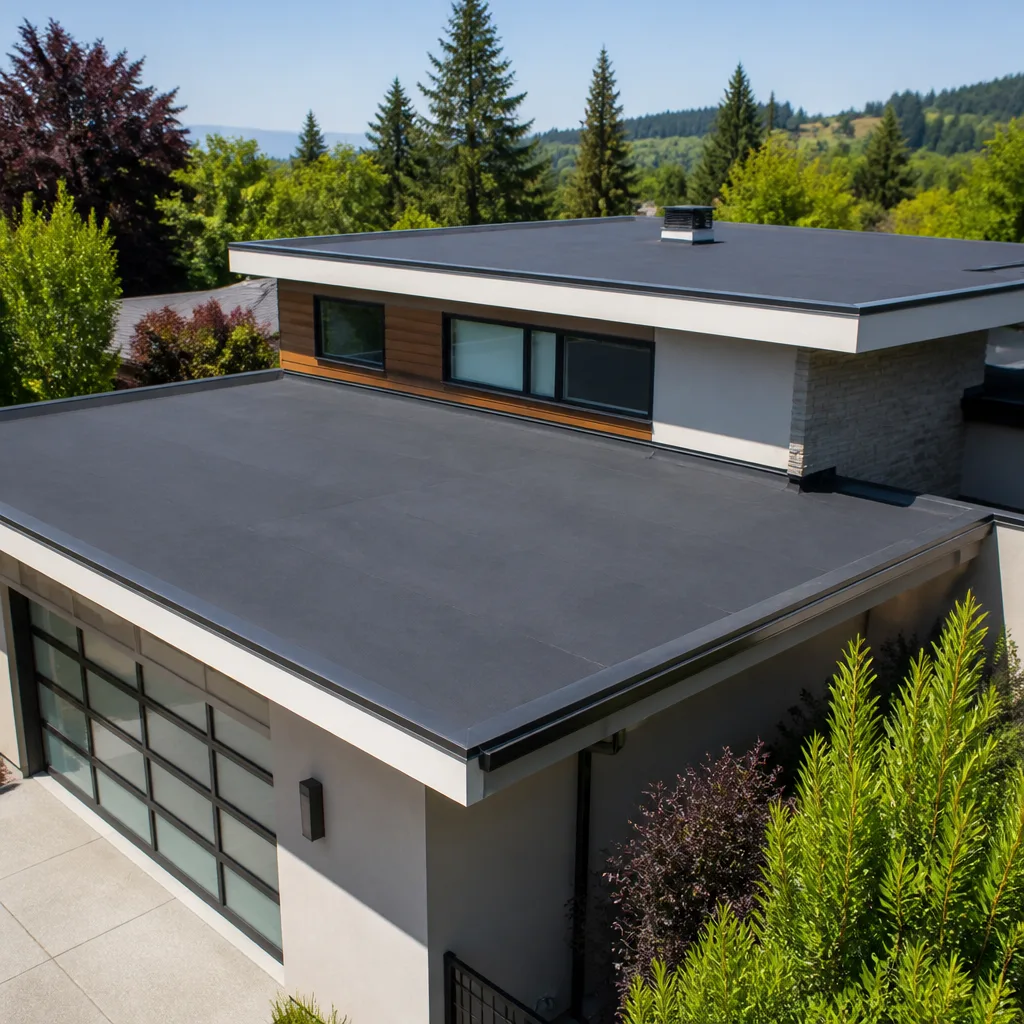 Flat & low-slope
Free roof inspection with deck photos before we talk money - GAF and Owens Corning certified installation
Styles & brands we work with
See the difference
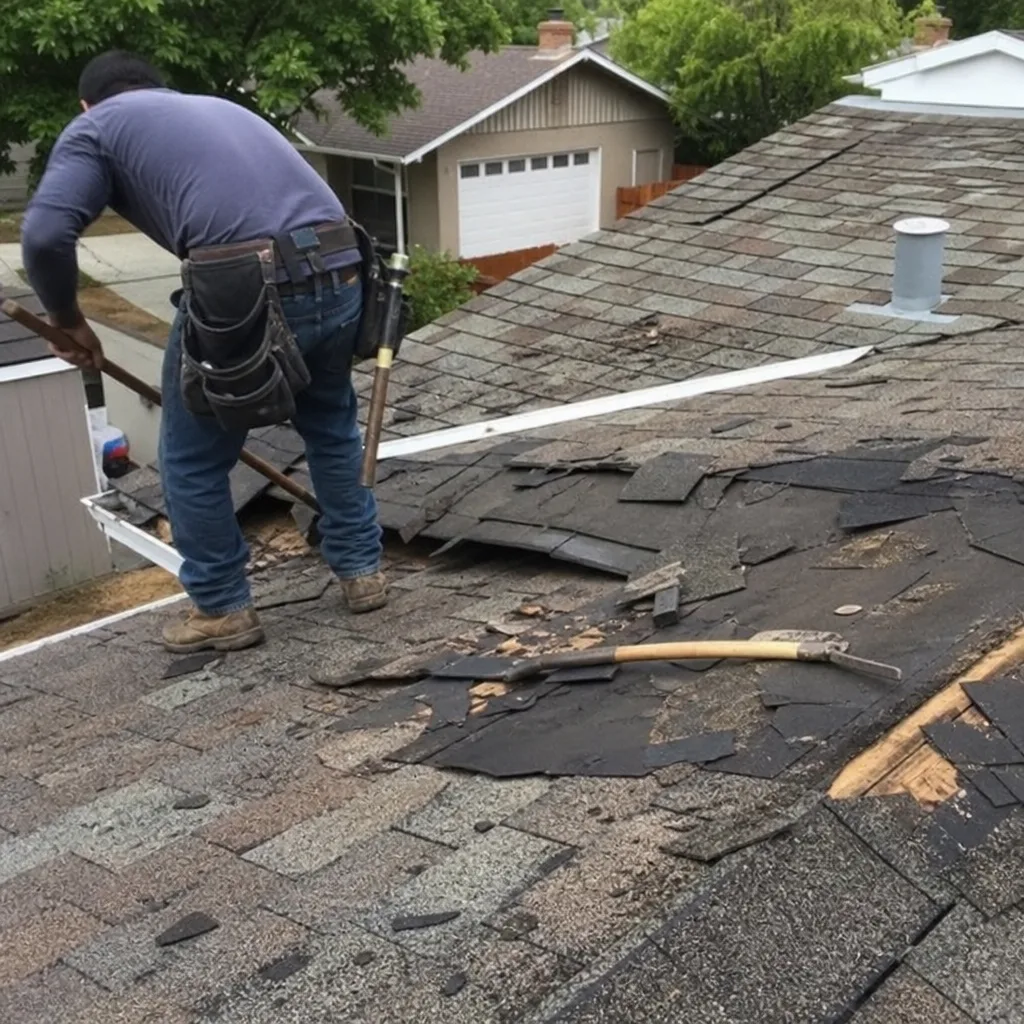 Before
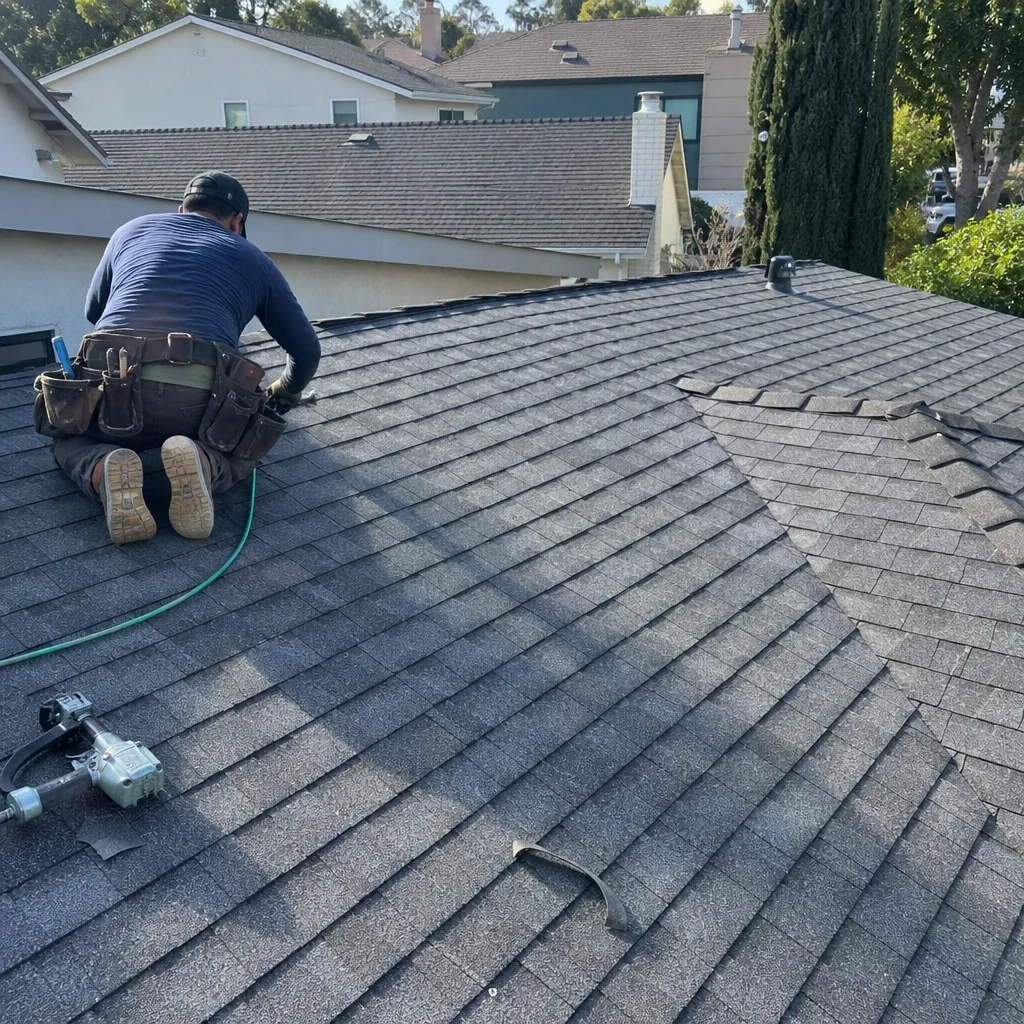 After
After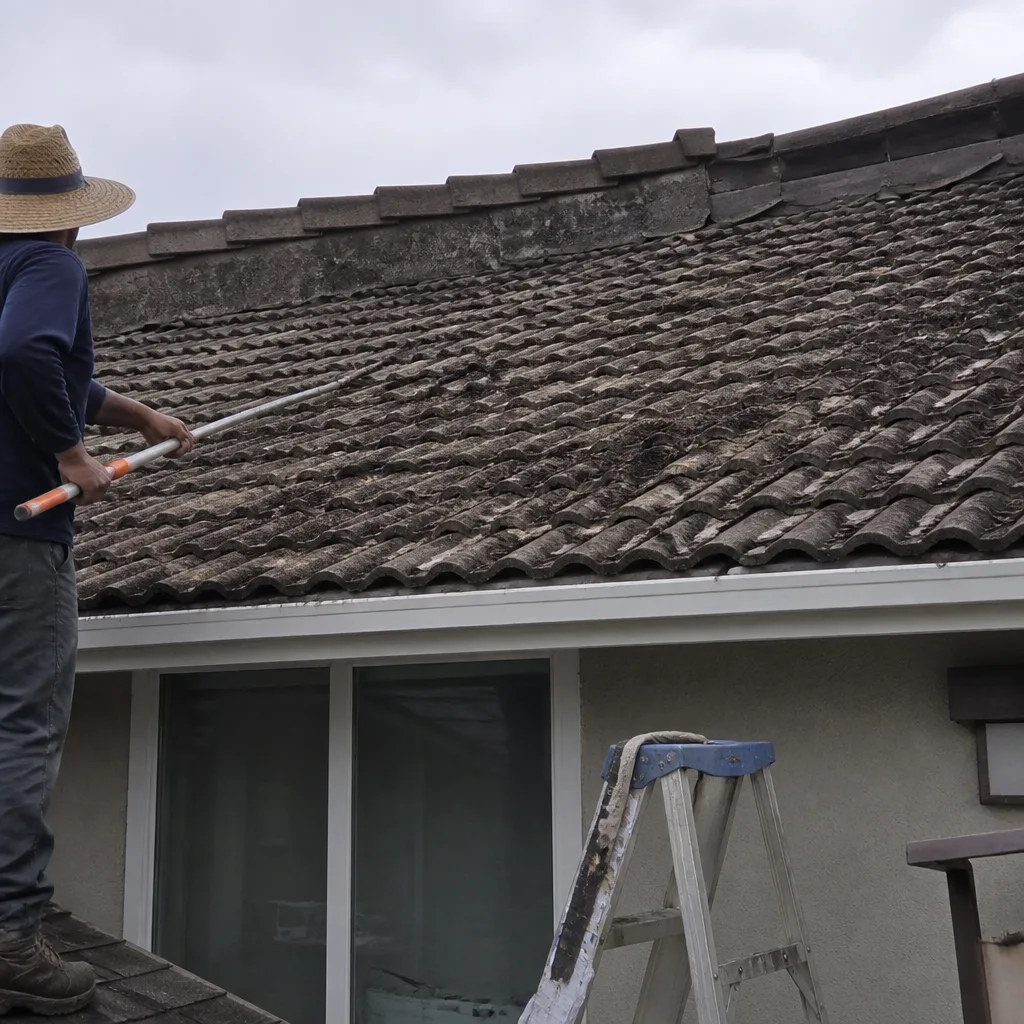 Before
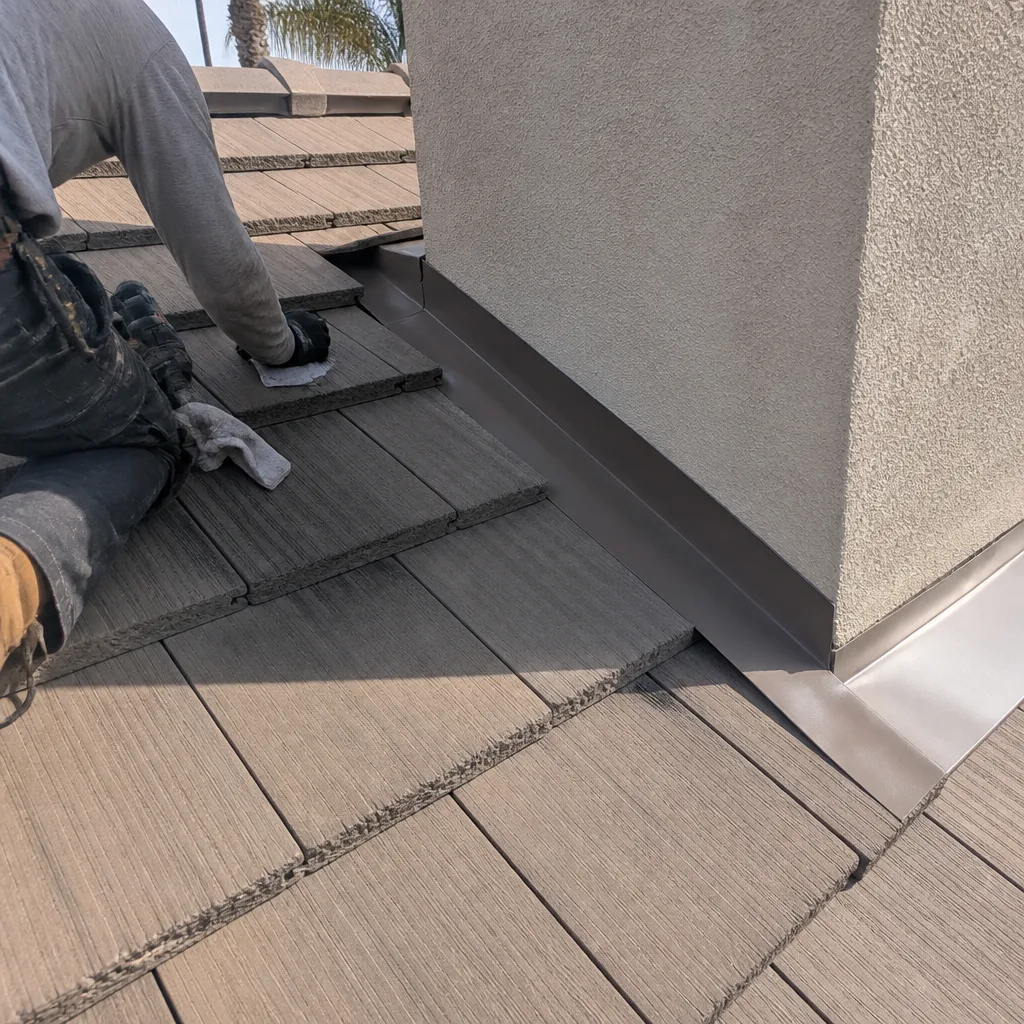 After
After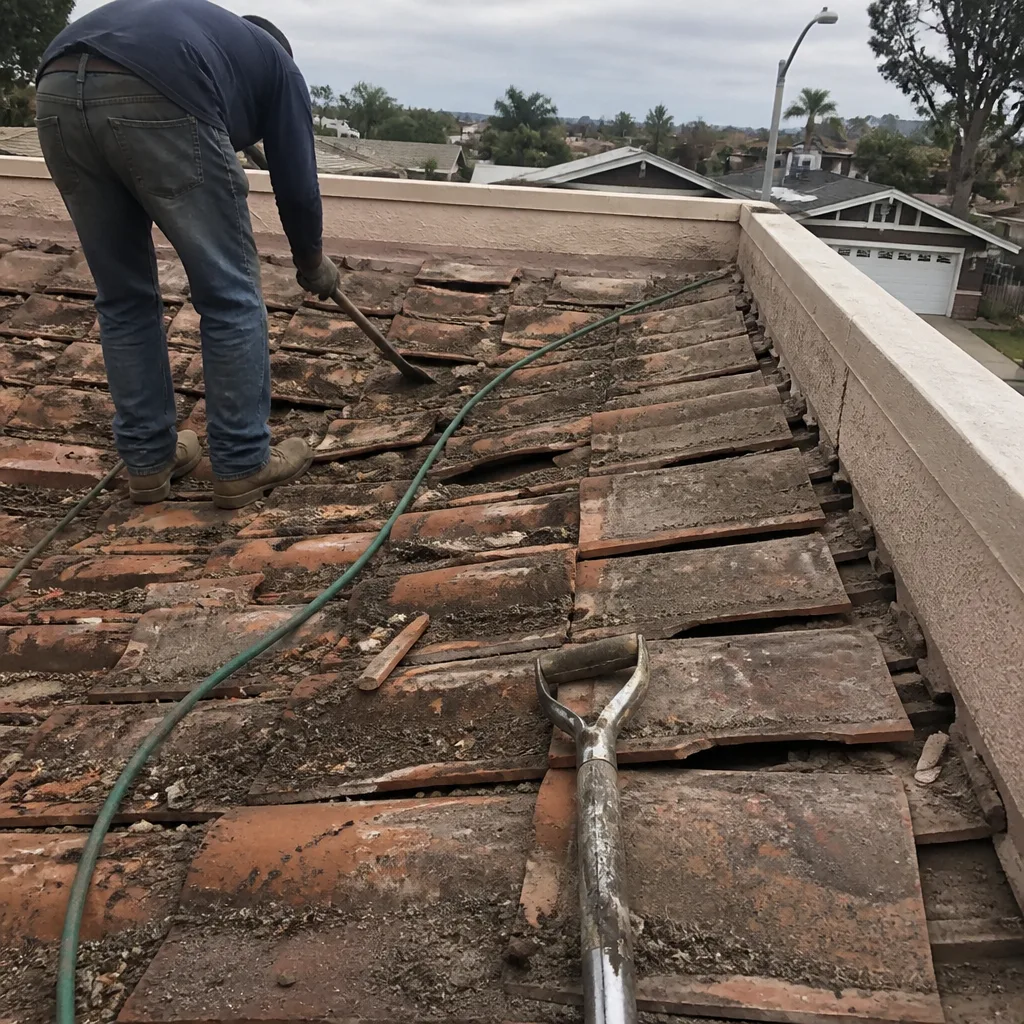 Before
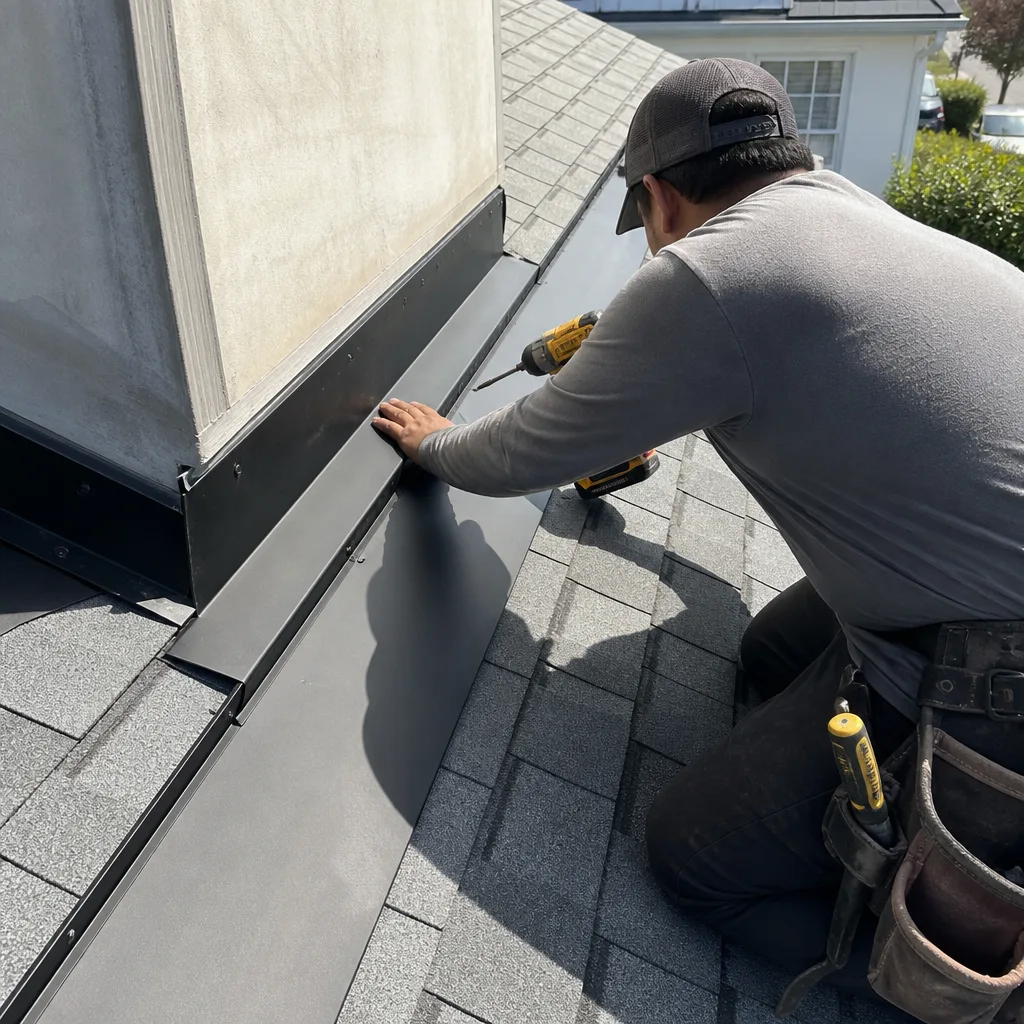 After
AfterValley Repair in Orange County, CA
Valley repair addresses the V-shaped channels where two roof slopes meet. In Orange County, these valleys collect more runoff than any other part of the roof during winter storms, which makes them the first place leaks appear. Brennan Roofing Co Orange County repairs valley flashing, replaces rotted decking beneath the valley, and restores proper water flow so the roof sheds rain the way it was designed to. If you’re seeing water stains on a ceiling below a roof valley, call us at (559) 258-5703 and we’ll send a background-checked technician to take a look. This page covers how valley repair works here, what it costs, and when a full Roof Repair in Orange County job is the smarter route.
How Much Does Valley Repair Cost in Orange County?
Valley repair in Orange County typically runs $350 to $950 for a focused Flashing Repair on a standard asphalt shingle roof, while a full valley rebuild that includes new decking and underlayment lands between $800 and $1,800. The range depends on roof pitch, valley length, the condition of the decking underneath, and how many layers of old material have to come off before the new metal goes in. We put the price on paper before any work starts, and that number does not move at the door.
| Valley Repair Scope | Typical Cost Range in Orange County |
|---|---|
| Reseal and refasten existing valley metal (minor) | $225 – $450 |
| Replace valley flashing, one valley, single-story | $350 – $750 |
| Replace valley flashing, one valley, two-story | $600 – $950 |
| Full valley rebuild: flashing, underlayment, decking repair | $800 – $1,800 |
| Ice-and-water shield the valley before new flashing | Add $150 – $350 per valley |
Those numbers come from the work we quote every week in communities like Anaheim, Fullerton, Huntington Beach, Irvine, and Santa Ana. Two-story roofs cost more because the crew spends more time on ladder setup and material staging. If your valley is steep enough that the crew needs roof jacks and harness tie-offs, that labor shows up in the estimate too. Call (559) 258-5703 for a free estimate, and you’ll get an exact price in writing before any work begins.
When You Need Valley Repair
Here’s what actually shows up at homes across Orange County before a valley repair gets called in. If any of these sound familiar, the fix is usually cheaper now than it will be after the next rain.
- Water staining or bubbling paint on the ceiling below a roof valley. This is the most common first sign. In Orange County’s older ranch homes in neighborhoods like West Anaheim and central Fullerton, ceiling stains below a valley mean water has already made it through the decking.
- Granules from shingles washing into gutters in a concentrated line. Valley channels carry a lot of water fast. When you see granule buildup in a straight line down a gutter, the shingles in the valley are wearing faster than the rest of the roof.
- Rusted or lifted valley metal visible from the ground. Standing water pools in valleys more than anywhere else. In coastal air, that moisture accelerates rust. If you can see rust lines or curled metal edges from your driveway, water is getting under the flashing.
- Shingles in the valley that are cracked, torn, or missing entirely. Debris from Santa Ana winds collects in valleys and holds moisture against the shingles. A torn shingle at the valley’s centerline means the first defense is already gone.
- Water running behind the gutter rather than into it. If a valley directs water off the edge of the roof at the wrong point, water runs down fascia board instead of into the gutter. You’ll see fascia rot and peeling paint at one corner of the house.
- Dry rot in the decking visible from the attic at the valley line. Get a flashlight into the attic during the day. If you can see daylight or dark, soft wood along the valley line, the decking needs repair before new flashing can be anchored properly.
None of these are wait-and-see problems. A leaking valley in an Orange County home can pull water into the sheathing for weeks before the ceiling starts to show it. By the time the paint bubbles, the decking under the valley is usually touched too. We’d rather catch it before you’re patching drywall.
What Causes Valley Failure in Orange County?
Orange County roofs face a specific combination of conditions that punish valleys more than flat fields take. Understanding what’s happening on your roof helps you make a decision about the repair with confidence, even if you never climb a ladder to see it for yourself.
Santa Ana Wind Debris Load
In the fall, Santa Ana winds push leaves, twigs, and roof gravel into valleys at high speed. That debris sits in the valley channel and holds moisture against the flashing and shingle edges. Anaheim and Orange get the strongest channels of wind coming through the Santa Ana Canyon, and those neighborhoods show valley debris damage first every season. The answer is not just cleaning the valley, it’s inspecting the flashing for abrasion and lifted edges while the debris is off-something our Roof Repair services include as standard.
Winter Storm Water Volume
When it rains hard in Orange County, it pours concentrated volume into the valleys. A valley on a 1,800-square-foot roof can channel hundreds of gallons an hour during a strong Pacific front. Galvanized valley metal lasts 12 to 18 years under that kind of use. If the original materials were thin gauge, that lifespan drops further. Homes built in the 1990s and early 2000s across Irvine and Lake Forest are at the age where original valley flashing is reaching the end of its service life.
Coastal Salt and Fog
Close to the coast, in Huntington Beach and Costa Mesa, marine layer fog carries salt mist that settles on the roof and dries in a film. In the valleys, that salt film traps moisture against the metal flashing. Steel flashing rusts from the edges first, and the rust creeps under the shingles. Vent Boot Repair faces similar corrosion issues in these coastal conditions. We see valley flashing failures five to seven years earlier in the coastal band than we see inland in Orange, Tustin, or Fullerton.
Original Installation Shortcuts
A lot of valley problems start with how the roof was first put on. A valley that was installed without a proper underlayment strip under the flashing, or with the wrong metal width for the pitch, will fail long before the shingles do. When we open a valley, we often find that the original flashing was just nailed through the face rather than fastened at the edges. Face nails leave holes that leak exactly where the most water flows. That is not a problem the homeowner caused, and it is not one we leave behind.
Our Valley Repair Process
Every valley repair at Brennan Roofing Co Orange County follows the same written process. The point is that you know what’s happening on your roof, and you know the price before the work starts.
- Inspection and written estimate. A background-checked, uniformed technician walks the roof and checks the valley condition, flashing material, decking, and the underlayment beneath. We check the attic if access allows. Then we hand you a written price. No work begins until you approve that number.
- Roof protection and material staging. Before we pull anything apart, we tarp the ground with a job-site cover and stage all materials on the roof in a controlled area. The crew works in uniform. You’ll know exactly who is on your roof.
- Valley teardown to the decking. We remove shingles and the old flashing from the valley, then inspect the decking underneath. If the wood is soft or water-damaged, we cut it out and replace the affected section with new, code-graded plywood or OSB.
- New underlayment and flashing. We install new underlayment, then bed the valley flashing into it properly. Depending on your roof and your preference, the new metal may be galvanized steel, aluminum, or copper. We explain the material options in plain English and help you pick one that fits the situation.
- Shingle reinstatement and sealing. We relay the shingles into the valley with correct overhang, fasten everything at the edges not through the flashing face, and seal the laps. The aim is a valley that sheds water cleanly for another 15-plus years.
- Cleanup and written guarantee. The crew cleans the roof, clears the gutters of debris from the job, and walks the ground with a magnet for any dropped fasteners. Then we hand you the warranty paperwork: the 365-Day Done Right Promise, in writing, covering every part of the repair for one full year.
This is The Garrison Standard, and it applies to a $350 flashing replacement the same way it applies to a full roof replacement. Same written price before work. Same background-checked, uniformed crew. Same written guarantee.
What Valley Repair Involves and Why It Matters
The valley is not a decorative roof feature. It is a water channel with a specific engineering job, and the materials that make it work are mostly hidden under the shingles. Here are the pieces we work with on a valley repair, and what each one does.
Valley Flashing
Flashing is metal formed to run down the centerline of the valley. Its job is to carry water down the roof and into the gutter without letting it touch the decking. Valley flashing comes in galvanized steel, aluminum, and copper. Galvanized steel is the workhorse material for most Orange County homes. Copper costs more but lasts 50 years or longer, and it ages to a dark patina that some homeowners like in higher-end neighborhoods like Newport Beach and Yorba Linda. No matter which material goes in, fastening matters more than the metal choice. Flashing has to be nailed at the edges, never through the face where water runs.
Underlayment
Underlayment is the water barrier between the decking and the shingles. In a valley, that barrier takes more abuse than anywhere else. For slopes with the right pitch, we often install a self-adhered ice and water shield membrane in the valley before the flashing. That self-adhered layer sticks to the decking and seals around any fastener penetrations. It’s the difference between a valley that survives a gutter overflow and one that sends water into the attic.
Decking
Decking is the wooden surface nailed over the rafters that everything else attaches to. In most Orange County homes, decking is plywood or OSB (oriented strand board). A valley leak that ran for a season will soften decking, and soft decking will not hold fasteners. New flashing over rotted decking is a waste of money. We check the decking every time, and when it’s compromised, it goes into the written estimate with a specific replacement cost before we ever start.
Shingles and Valley Overlap
The shingles that run into a valley have to be trimmed to the valley line at a slight angle, with enough overlap that wind cannot catch an edge. Bad valley shingle work causes wind-driven rain to get under the shingle field. We cut each shingle to seat into the valley cleanly, then seal the edges with a roofing-grade sealant that stays flexible in Orange County’s temperature swings.
Who Needs Valley Repair in Orange County
Any homeowner with a roof that has a valley is a candidate for this work at some point in the roof’s life. Some homes are more likely to need it sooner.
Older homes in established neighborhoods. Ranch homes and traditional two-story builds from the 1960s through the 1990s in Fullerton, Anaheim, Orange, and Garden Grove have multiple valleys as part of their original architectural design. The flashing from that era is now 25 to 60 years old. Many of those valleys are at or past their functional limit.
Homes in the coastal fog belt. In Huntington Beach, Seal Beach, Costa Mesa, and Newport Beach, the marine layer accelerates flashing corrosion. Homeowners there should plan to have valleys inspected every two to three years, even if the shingles look fine from the curb.
Homes with recent re-roofs. A new roof does not mean a new valley, depending on how the roofer handled it. We have repaired valleys on roofs that were replaced within the last five years, because the previous crew reused old valley flashing or did not replace the valley underlayment. If you had a roof done recently and you’re seeing valley leaks, the valley was probably not done to the standard it needed. We’ll tell you straight, in a written estimate, what’s actually happening up there.
Homes with tile roofs. Tile roofs in Orange County, especially Spanish and Mediterranean styles in South County, use a different valley system with metal channels under the tile. When a tile valley fails, the tile itself often stays intact while water gets under it and runs down the underlayment. The sign is usually water in the eave line or along a wall below the valley, not visible tile damage. Valley repair on tile requires care to lift and reset tile without cracking it, and it is work we do regularly in Mission Viejo, Lake Forest, and Laguna Hills.
Valley Repair vs. Full Valley Replacement
Sometimes the right answer is not a repair. It is a replacement, and we will tell you which one you need based on what we find.
A repair means the flashing is still structurally sound and the decking is intact. We can reseal lifted metal, refasten loose edges, replace a few damaged shingles, and put the valley back into watertight condition. This is the $350 to $950 range on a typical Orange County home.
A replacement means pulling the valley down to the decking, installing new underlayment, new flashing, and new shingles cut into the valley. We recommend replacement when the flashing is rusted through, the decking is soft, or the existing valley has already been patched once before. Layering another patch onto a failed patch does not hold in a valley that channels that much water. The replacement is the $800 to $1,800 range. Higher-end metal like copper pushes the top of that range.
There is a middle case: the valley is fine, but the surrounding shingle field is not. If the shingles across the roof are near the end of their life, replacing only the valley will not stop the next leak from coming through the field. In that situation, the better use of the money is usually a full Roof Repair in Orange County scope, and we’ll lay out both options on paper with the real numbers so you can decide with the full picture.
Materials We Use and Why They Matter in Orange County
We do not push one brand on every roof. The right material depends on the roof, the slope, the exposure, and what the homeowner wants out of the roof’s remaining life. We install valley systems using materials from established manufacturers including Atlas, IKO, and Tamko, because those lines offer the specific underlayments and accessory products valleys need.
Atlas makes the self-adhered underlayment products we often use in valleys where the pitch and water volume call for it. On a roof with a steep valley near the coast, that self-adhered membrane is worth the added material cost. IKO manufactures asphalt shingle lines that hold up well under Orange County UV exposure, and they’re a solid cost-versus-lifespan option for a roof that needs valley repair plus some surrounding field work. Tamko offers the metal flashing and accessory line we use on many standard valley replacements, paired with compatible underlayment for a single-system warranty.
You’ll hear us use real trade words on the estimate, and we’ll explain every one of them in plain English before you spend a dollar. The estimate tells you what gets installed, what it costs, and what the warranty covers. No fine print, no surprise line items.
Valley Repair FAQ
How long does valley repair take in Orange County?
Most valley repairs are done in one day, including teardown, decking inspection, new flashing, shingle reinstatement, and cleanup. A full valley replacement on a steep two-story roof can stretch into a second day. We’ll give you a realistic time window when we hand you the written estimate, and the crew shows up inside that window.
Is it cheaper to repair or replace a roof valley?
A focused repair is cheaper than a replacement, and it is the right call when the flashing and decking are still sound. But if the valley has already been patched once or the decking is soft, repairing it is paying for a temporary fix. A full valley replacement is the cost-effective option when the underlying materials are failing. Call us at (559) 258-5703 for an honest assessment and a written estimate. There is no charge for the estimate.
Can you come out and fix a leaking valley today?
Yes, we keep same-day and next-day emergency slots for active leaks. When there’s water coming through a valley into your ceiling, the first thing we do is get a tarp over the affected area to stop further damage. Then we schedule the permanent repair and put the full scope in writing before any permanent work starts. A live person answers our phone 24/7 at (559) 258-5703, with no voicemail and no automated queue.
Does my homeowners insurance cover valley repair?
That depends on the cause. Valley repair is usually covered when the damage results from a covered peril, like a branch piercing the roof valley in a Santa Ana wind event. Age-related flashing deterioration is generally considered normal wear and tear, and most policies exclude it. We recommend documenting the damage with photos, contacting your insurer, and getting a written estimate from us to attach to your claim. We’ll help with the documentation in a straightforward way.
What is the warranty on valley repair work?
Every valley repair from Brennan Roofing Co Orange County carries the 365-Day Done Right Promise: a written guarantee for one full year that covers all workmanship and installed materials. If anything from our repair fails inside that year, we return at no charge and make it right. That promise is in writing before we start, and it is the same on a small flashing repair or a full valley rebuild.
Why Brennan Roofing Co Orange County for Valley Repair
Roof valleys are where roofing companies get exposed. A roofer who does not understand water flow, flashing lapping, and underlayment integration will leave you with a valley that leaks on the first hard rain. We built our Orange County roofing practice around the places where roofs fail first, and valleys are at the top of that list.
You’ll know the price before any work begins, in writing, and it will not change at the door. The technician who walks your roof will be background-checked and uniformed, with his name on the work order. The phone will be answered by a live person, day or night, at (559) 258-5703. And the work will carry a full-year written guarantee under the 365-Day Done Right Promise. That’s The Garrison Standard, and it applies to every job we do.
If you’re seeing valley damage or you just want an honest inspection after a long dry season, call us at (559) 258-5703. We’ll give you a straight answer, a written estimate, and a plain-English explanation of what’s happening on your roof. Serving all of Orange County, from Anaheim and Fullerton to Huntington Beach, Irvine, and everywhere in between.
Written by Travis Oakley, Owner at Brennan Roofing Co Orange County, serving Orange County.