
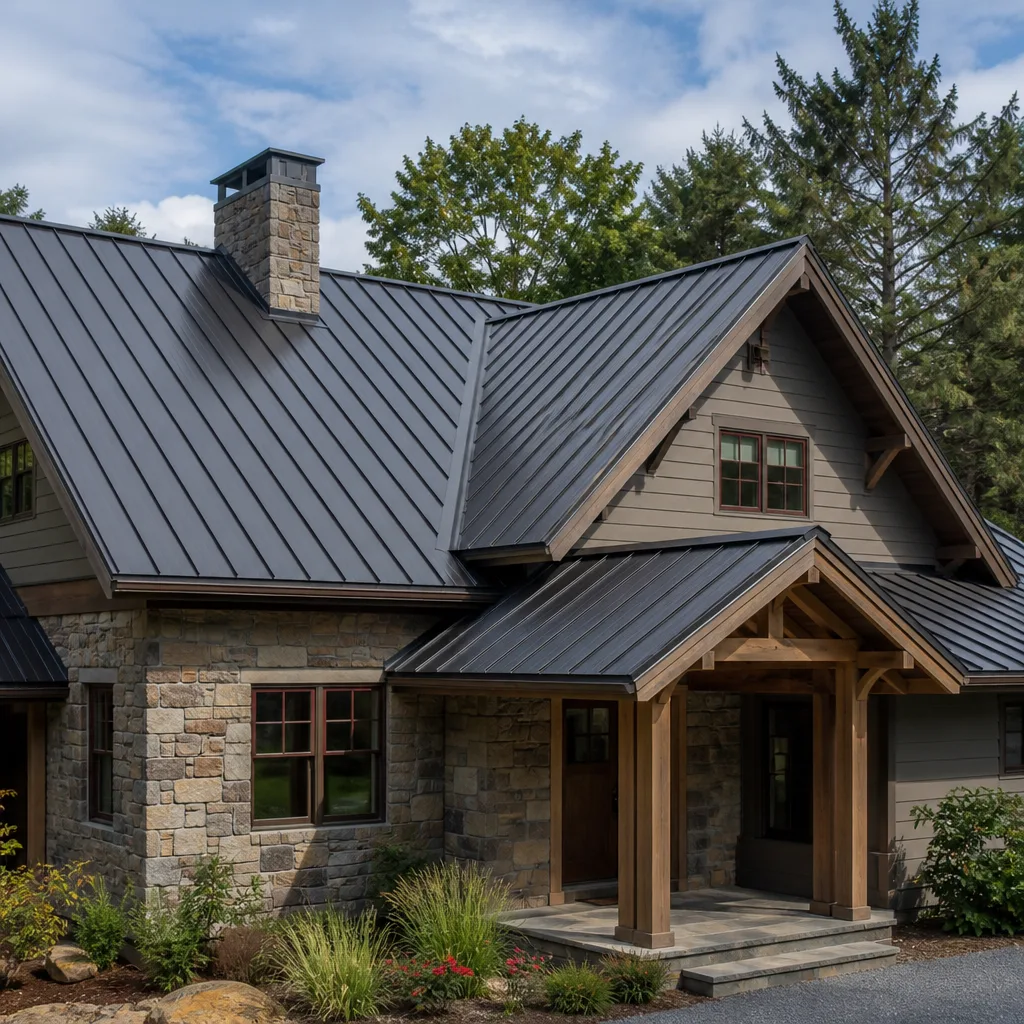
 Metal roofing
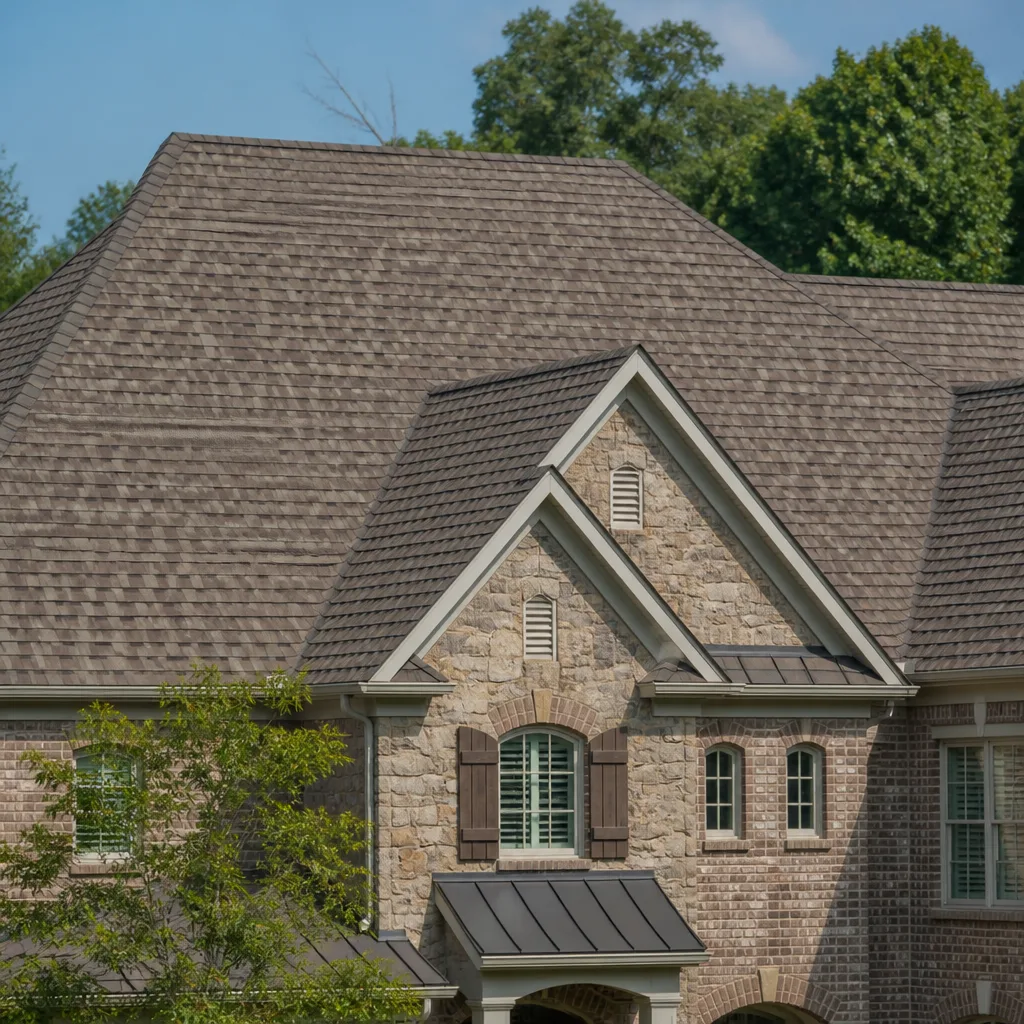 Architectural shingles
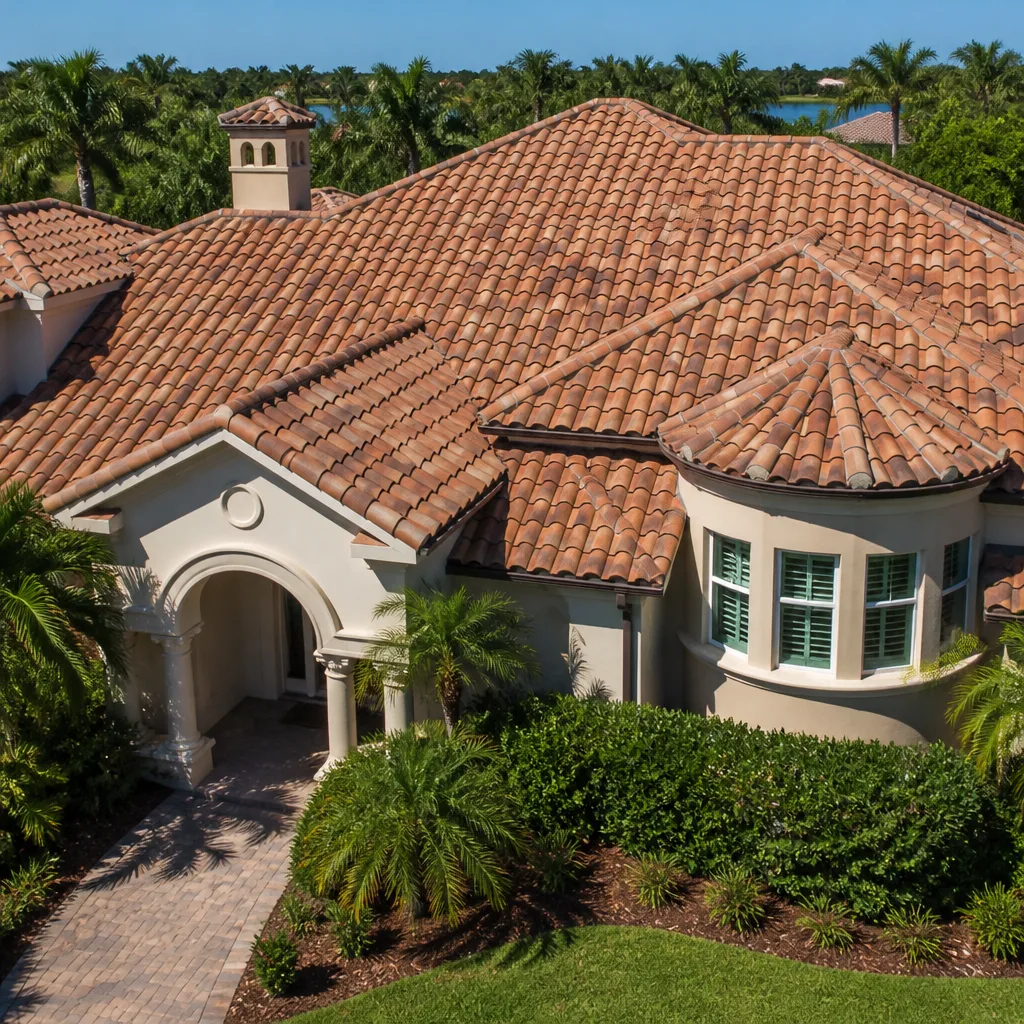 Tile roofing
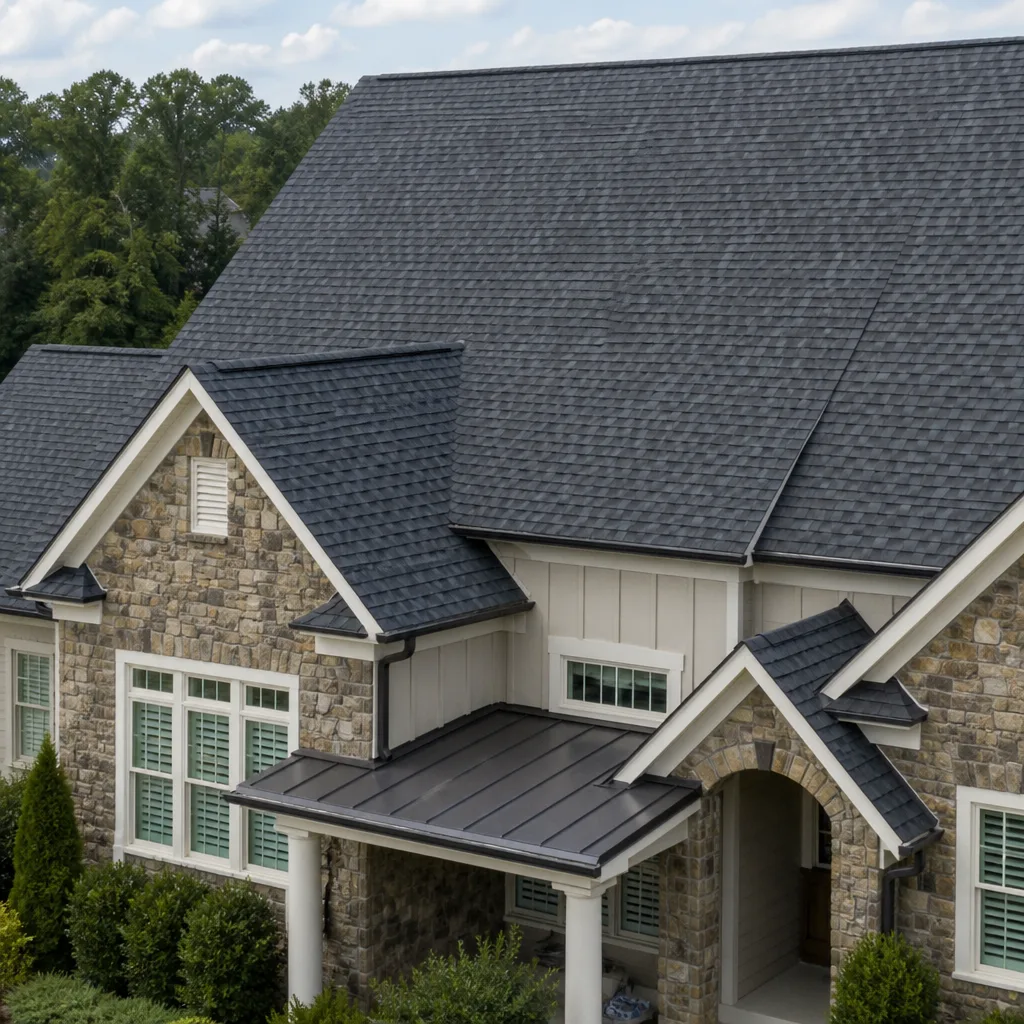 GAF
GAF Owens Corning
 Flat & low-slope
Free roof inspection with deck photos before we talk money - GAF and Owens Corning certified installation
Atlas Ridge Vent Installation: The Orange County Owner’s Guide
Atlas ridge vent installation in Orange County typically runs $14 to $22 per linear foot installed, with most homes falling between $650 and $1,400 total depending on ridge length and decking condition. We stock Atlas-compatible ridge vent components on our trucks, and most replacements are completed in a single visit. The usual way homeowners find us: a roofer or home inspector flags cracked plastic, missing end caps, or a vent that’s pulling away from the shingle line after a few hot summers.
If your Atlas ridge vent is cracked, sun-brittle, or letting water in at the ends, the part has reached the end of its working life. That’s not a mystery, and it’s not your fault. The fix is straightforward when the right product goes on with the right fasteners and the right weatherproofing at the peaks.
Which Atlas Models This Applies To
Atlas currently builds two ridge vent lines you’re most likely to have on an Orange County roof: the Atlas Signature Series ridge vent and the Atlas (formerly AccuVent) filtered ridge vent. The Signature is a rigid, low-profile vent designed to sit under Atlas shingles with a baffled weather filter. The filtered version uses an internal fabric membrane to keep wind-driven rain and embers out, which matters in the Santa Ana corridors where wind gusts hit 50-plus mph and ember intrusion is a real concern in wildfire-adjacent zones like Anaheim Hills, Orange Park Acres, and Coto de Caza.
The compatibility gotcha we see most often: the Signature vent is engineered to pair with Atlas shingles, but it can be installed with other architectural shingle brands if the nail line matches. What it cannot do is work over a ridge slot wider than 3 inches. Cut the opening wider, and the vent loses its structural seat, the baffles flex, and water finds its way under the cap. We measure the existing slot on every single job before quoting, because a vent that “fits” on paper and fails on the roof is a warranty problem waiting to happen.
On OEM versus aftermarket: Atlas’s vent system is proprietary in profile, but generic aluminum or vinyl ridge vents will physically cover the opening. The problem is they don’t match the airflow spec. The Signature vent is rated at 18 square inches of net free area per linear foot. Put a generic 12-square-inch vent over an Atlas-designed slot layout, and you’ve just cut attic ventilation by a third. In Orange County summers where attic temps routinely exceed 140 degrees, that shortfall shows up fast: higher cooling bills, shortened shingle life, and a hotter upstairs. We recommend Atlas-specific product for Atlas-specific roofs. The price gap is maybe $2 to $3 per foot, and it’s the cheapest money you’ll spend on that roof all year.
Styles & brands we work with
Signs Your Atlas Ridge Vent Installation Is Failing
- Cracked or crumbling vent plastic at the peak. UV exposure breaks down the polymer after 8 to 12 years in direct Southern California sun. Once the vent body is brittle enough to chip by hand, it’s no longer sealing against the shingles. We see it most often on south-facing ridges in Irvine and Mission Viejo where the sun load is unrelenting.
- End caps missing or separated. Birds, squirrels, and the occasional raccoon love an open vent end. The cap doesn’t just keep animals out. It keeps wind-driven rain from blowing horizontally into the attic. If you can see daylight through the end of your ridge vent from the ground, call. That’s not a cosmetic issue.
- Water staining on the ceiling below the ridge line. This usually means the vent’s weather filter has failed or the underlayment at the ridge was improperly lapped. Rain follows the path of least resistance, and a saturated filter membrane will wick water down into the attic before you ever see a drip. In Laguna Niguel or San Clemente during a heavy storm cycle, that can mean damp drywall within hours.
- Shingles lifting or flapping at the ridge cap. Ridge vent provides a solid nail line for the cap shingles. When the vent body degrades, that nail line loses its grip. You’ll see the caps ripple, curl, or tear away entirely in a strong wind. March winds through Saddleback Canyon tear off more ridge caps than any other month we track.
- Attic temperature spikes in summer. If your upstairs rooms got hotter over the last two summers and the thermostat doesn’t hold like it used to, the vent may be blocked or collapsed. Dust, debris, and old insulation can clog the baffles. A vent that doesn’t breathe is just a ridge cap, and the heat has nowhere to go.
See the difference
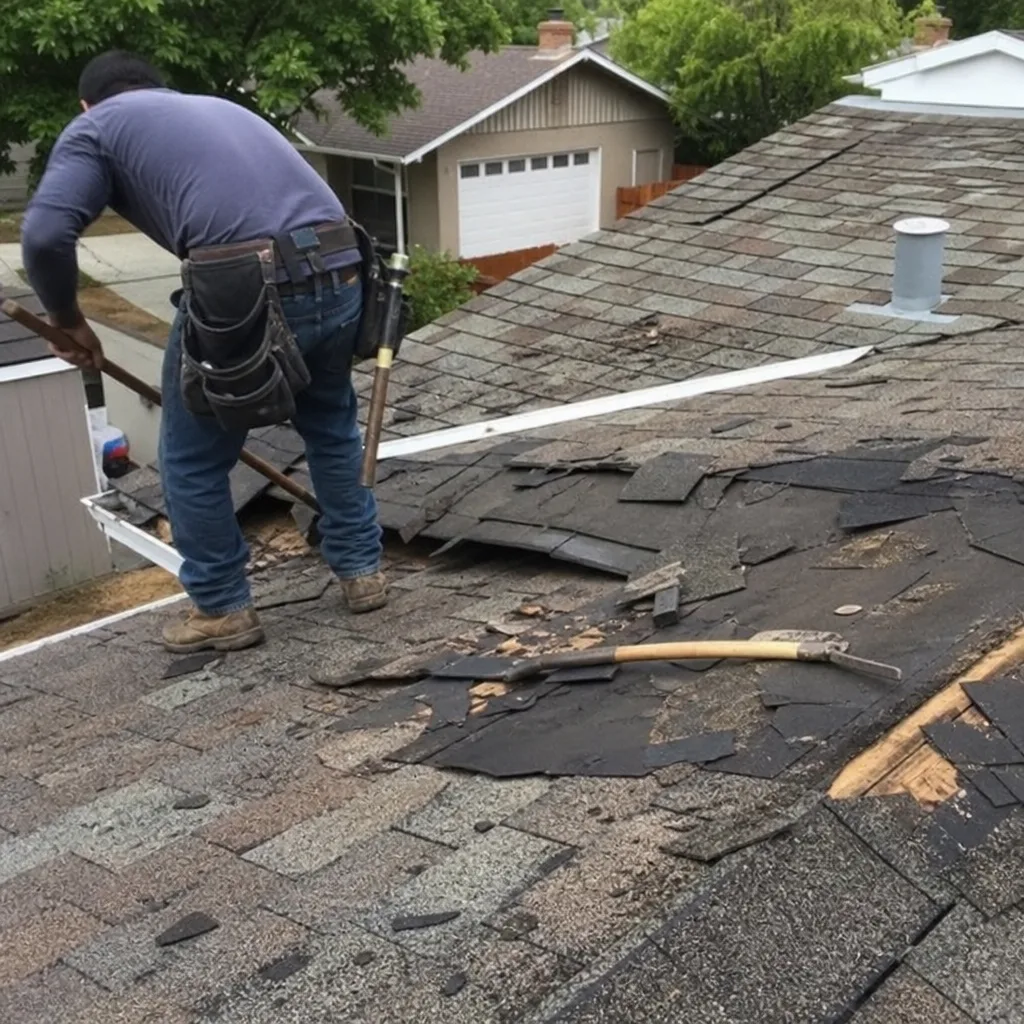 Before
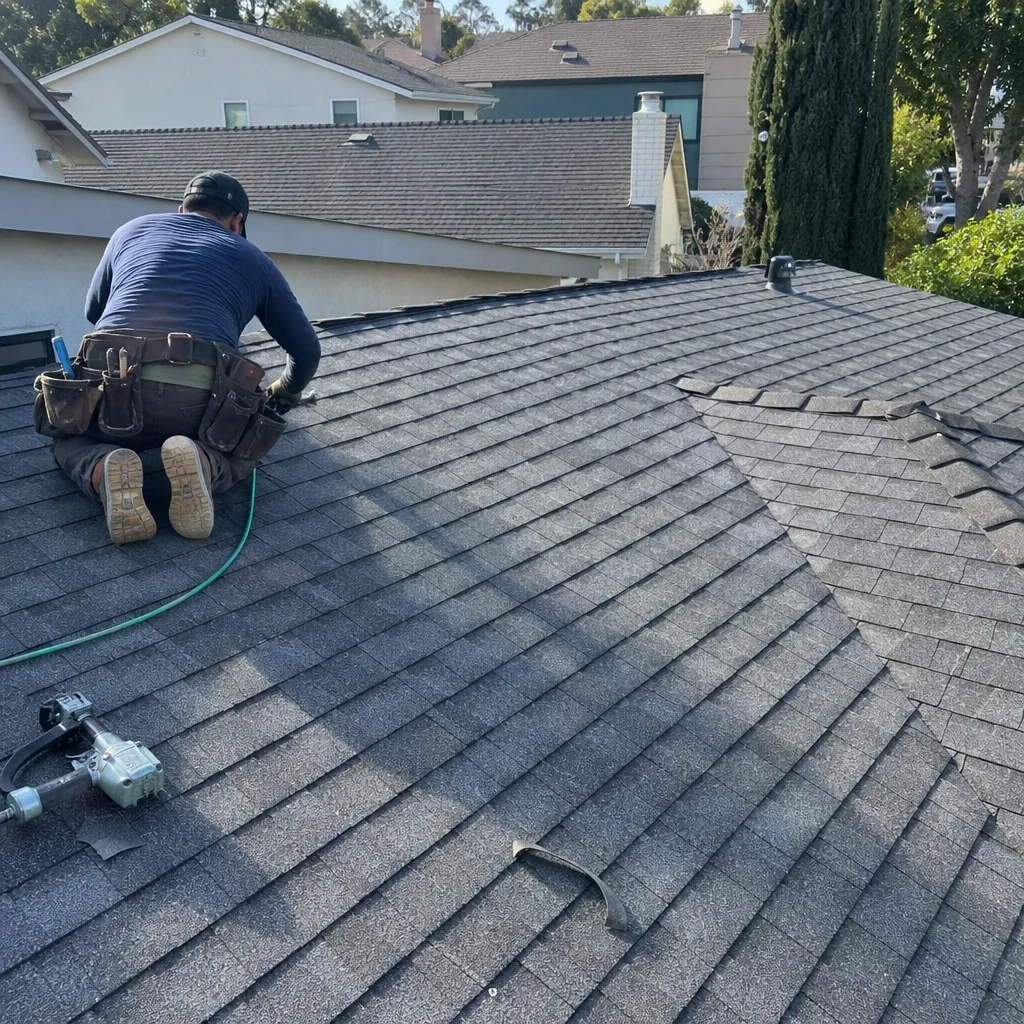 After
After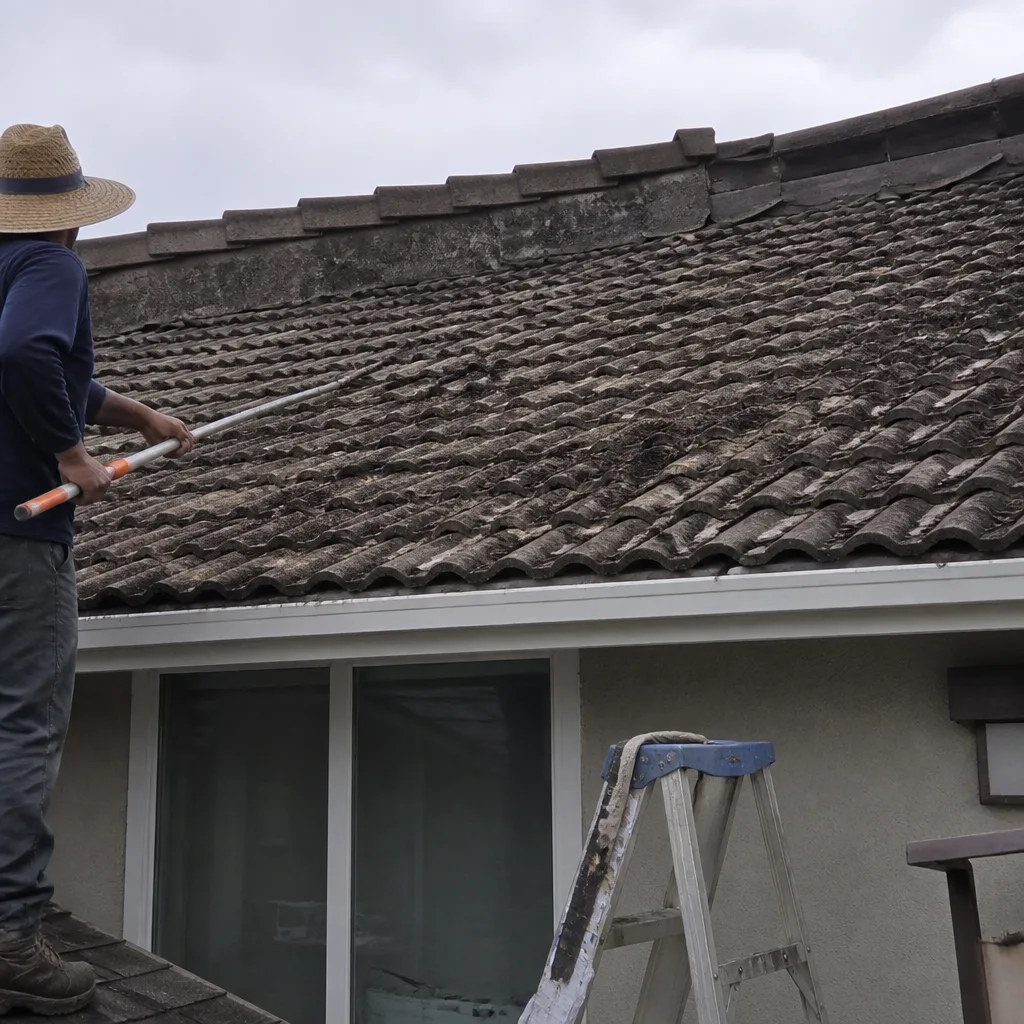 Before
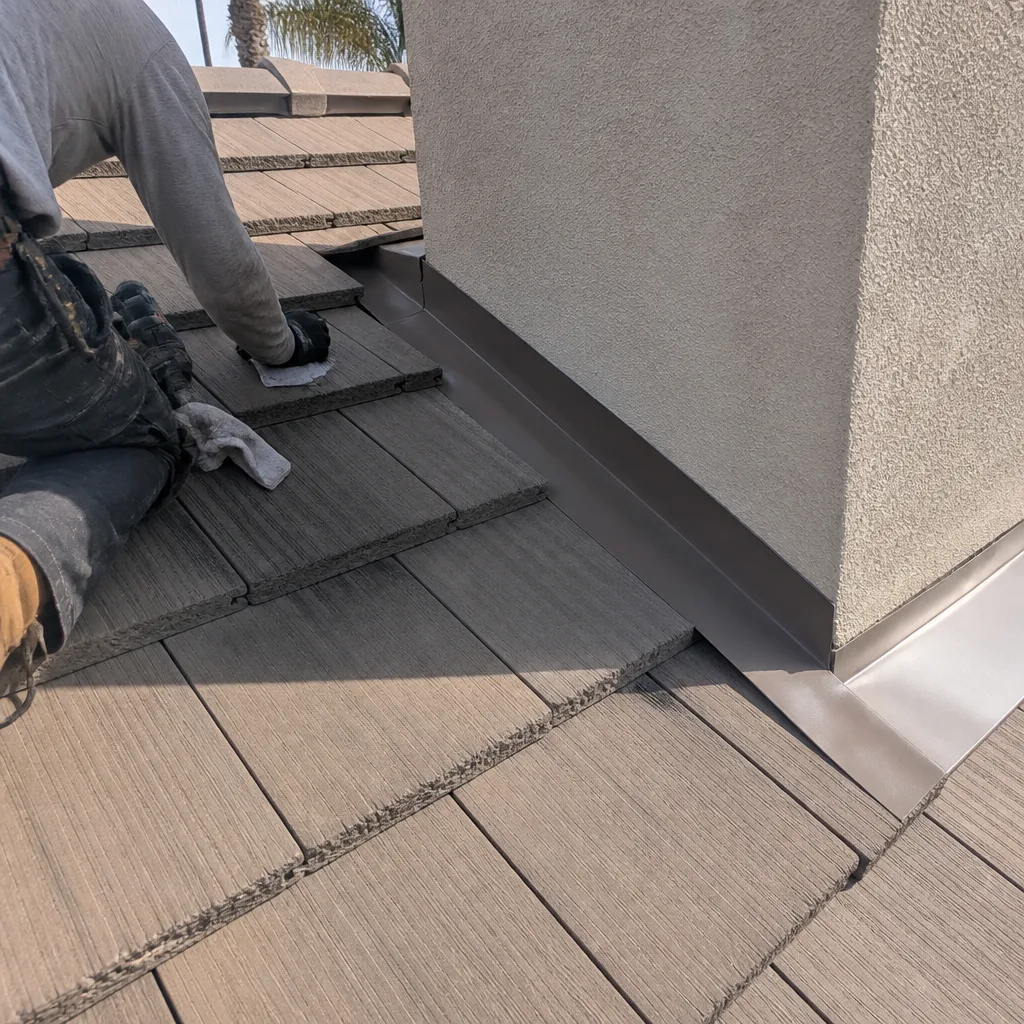 After
After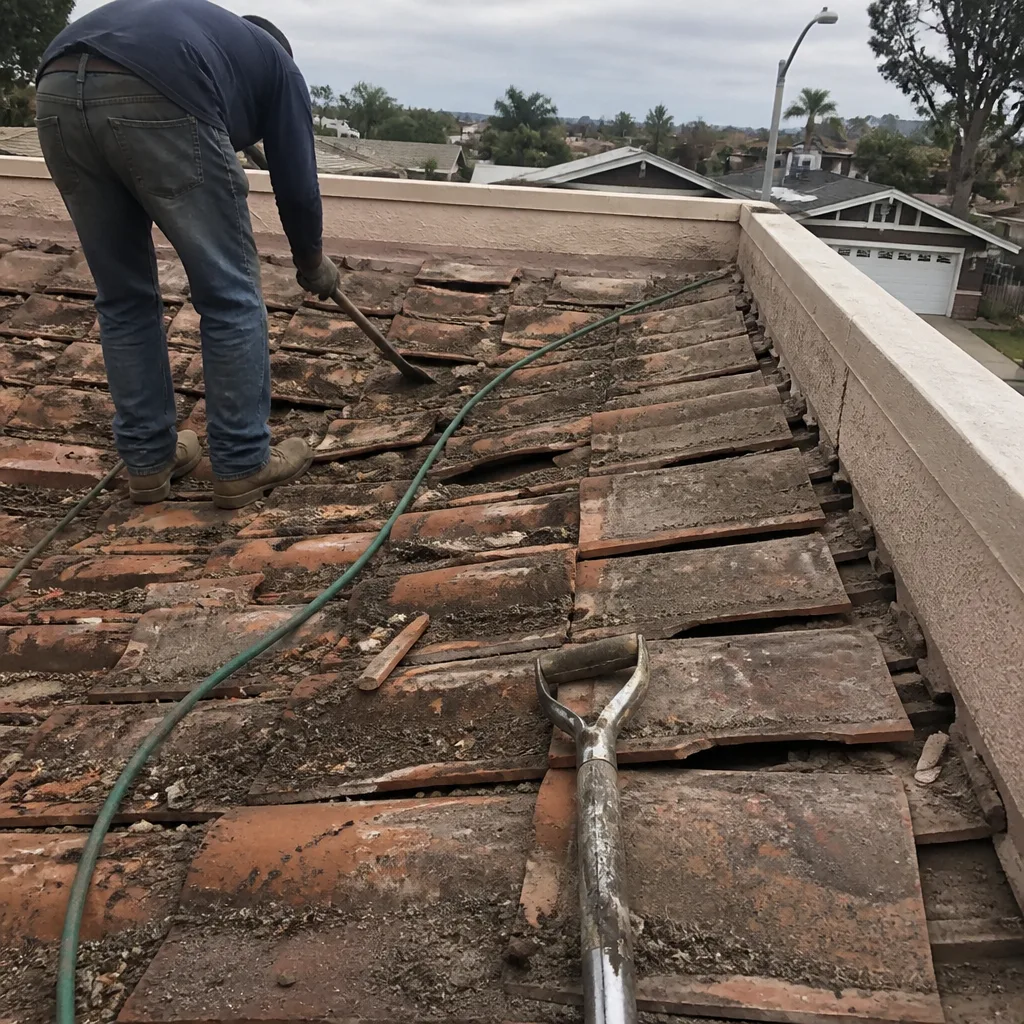 Before
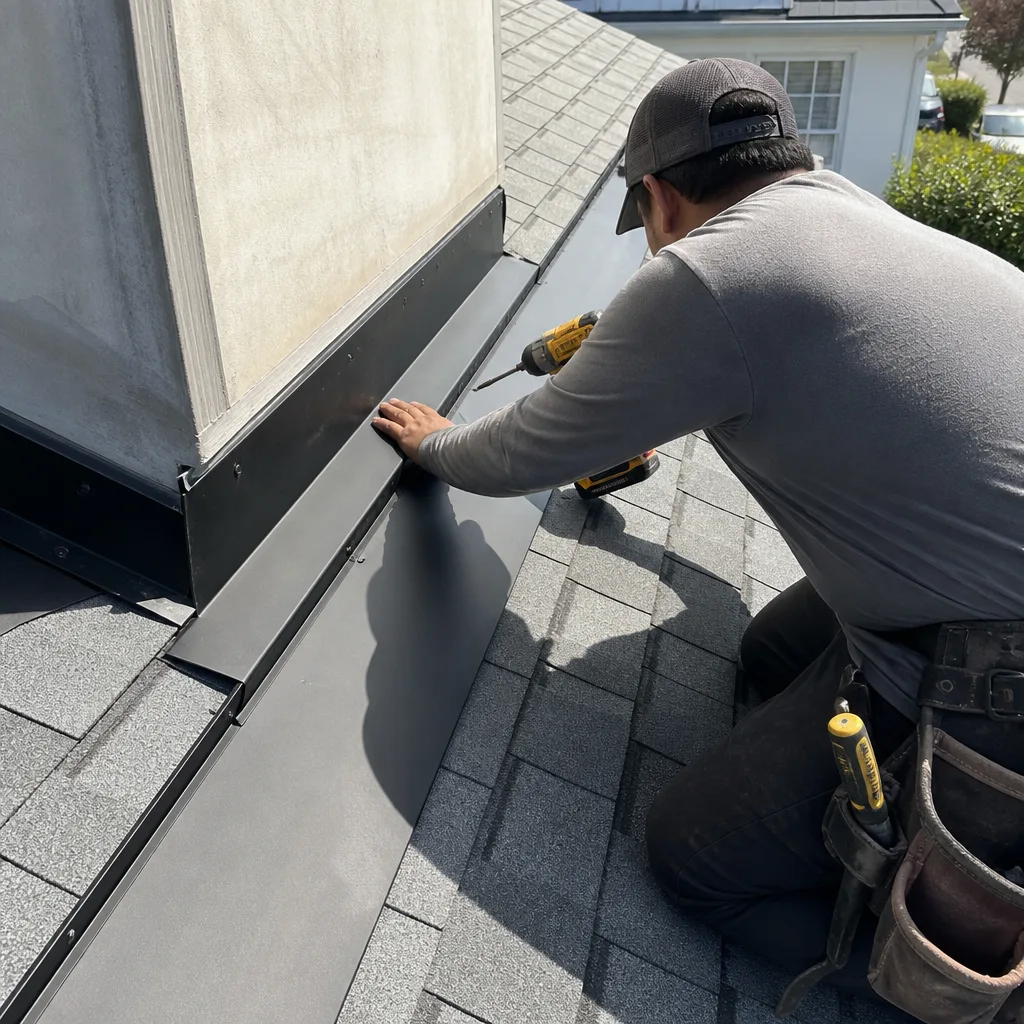 After
AfterReplacement Cost & What’s Included
For Atlas ridge vent installation in Orange County, plan on $14 to $22 per linear foot installed. A standard single-family home with 40 to 60 feet of ridge line lands between $650 and $1,400. Larger homes in Newport Beach or Yorba Linda with multiple ridge lines or steep pitches will run higher, and we price the job with line items you can read before you sign anything.
That number includes removal of the failed vent and any damaged cap shingles, disposal of the old material, installation of new Atlas-compatible vent with end caps and connectors, new fasteners, new cap shingles cut and nested correctly, and a written workmanship warranty for one full year under the 365-Day Done Right Promise. If the decking under the vent is rotted or delaminated, we’ll show you the damage, price the repair in writing, and get your signature before any additional work starts. The price on paper is the price, period. No door-knock surcharge, no “we found more damage” phone call after we’ve already started pulling cap shingles.
Travis Oakley and his crew have been installing ridge vents across Orange County long enough to know exactly what a roof in this climate needs. The vent is only as good as the hands that set it. We nail every vent at the manufacturer’s specified spacing, we check the net-free airflow math before ordering product, and we walk the ridge with you when the job is done.
DIY or Call Us?
Ridge vent replacement is not a safe weekend project for most homeowners, and I’ll tell you why plainly. You’re working at the highest point of the roof, often on a 6/12 pitch or steeper, with a nail gun in one hand and shingles underfoot. A fall off a ridge is a hospital visit. The guy who taught me the trade in Pasadena said something I still repeat on every job site: “The roof doesn’t care how handy you are.”
What you can safely do is look for the failure signs we listed above from the ground or a ladder. Take photos. Note where the vent looks cracked or where the end caps are gone. Then call (559) 258-5703 and tell us what you’re seeing. We’ll give you a straight answer about what’s urgent and what can wait. If we come out for the estimate and it’s a quick fix, we’ll say so. Our job is to put the right part on the right way, not to sell you a roof you don’t need.
Frequently Asked Questions
An Atlas ridge vent lasts 12 to 15 years in Orange County’s climate before UV degradation typically makes replacement necessary. Coastal properties in Huntington Beach and Newport Beach deal with salt air, which can shorten that to 10 to 12 years on exposed south-facing ridges. Inland heat in Irvine, Tustin, and Orange accelerates polymer brittleness faster than coastal weather does, so annual checks after year eight are a good habit. If you’re at or past that mark, call (559) 258-5703 and we’ll do an honest inspection without any pressure to replace what’s still working.
Yes, in limited cases. Missing end caps can be replaced with new Atlas-compatible caps in about 20 minutes. A short section of cracked vent can be spliced if the surrounding material is still flexible and the nail line is intact. But if the vent body is brittle across multiple sections or the filter membrane is saturated, patching just delays the inevitable and the next failure usually shows up during the next storm cycle. Call (559) 258-5703 for an honest read on whether a repair makes sense on your specific roof.
A standard Atlas ridge vent replacement on a single-family home takes one crew about 3 to 5 hours from setup to cleanup. That includes removing old vent and cap shingles, inspecting and repairing decking as needed, installing the new vent and caps, and walking the ridge to verify the work. If you have a long ridge line or multiple roof peaks, allow for a full day. We’ll give you a written time estimate before you sign, and if the weather in Orange County turns, we’ll call you before we reschedule. No no-shows, no silent subcontractors.
Yes. Our trucks carry Atlas-compatible ridge vent sections, end caps, connectors, fasteners, and cap shingles in the most common colors and profiles for Orange County homes. We also stock components for GAF, Owens Corning, and CertainTeed vent systems, which matters because plenty of Orange County roofs have mixed-brand materials from previous repairs. If you have a specific Atlas product label or a photo of the vent, call (559) 258-5703 and we’ll confirm we have the right match before we ever climb the ladder. Parts are ordered in advance for every scheduled job, so we arrive ready to work, not ready to “run to the supply house.”
If your Atlas ridge vent is showing its age, you don’t have to guess. Call (559) 258-5703 and we’ll schedule a free estimate at a time that works for you. We’ll measure the ridge, check the airflow math, and put a written price in your hand before any work starts. That’s the Garrison Standard, and it’s the same on every roof we touch. If it’s not done right the first time, we come back and make it right. In writing, for one full year, at no charge. A roof shouldn’t be something you think about. If it’s done right, you won’t.
Written by Travis Oakley, Owner, Brennan Roofing Co Orange County at Brennan Roofing Co Orange County, serving Orange County and nearby areas.