
Last updated October 17, 2026
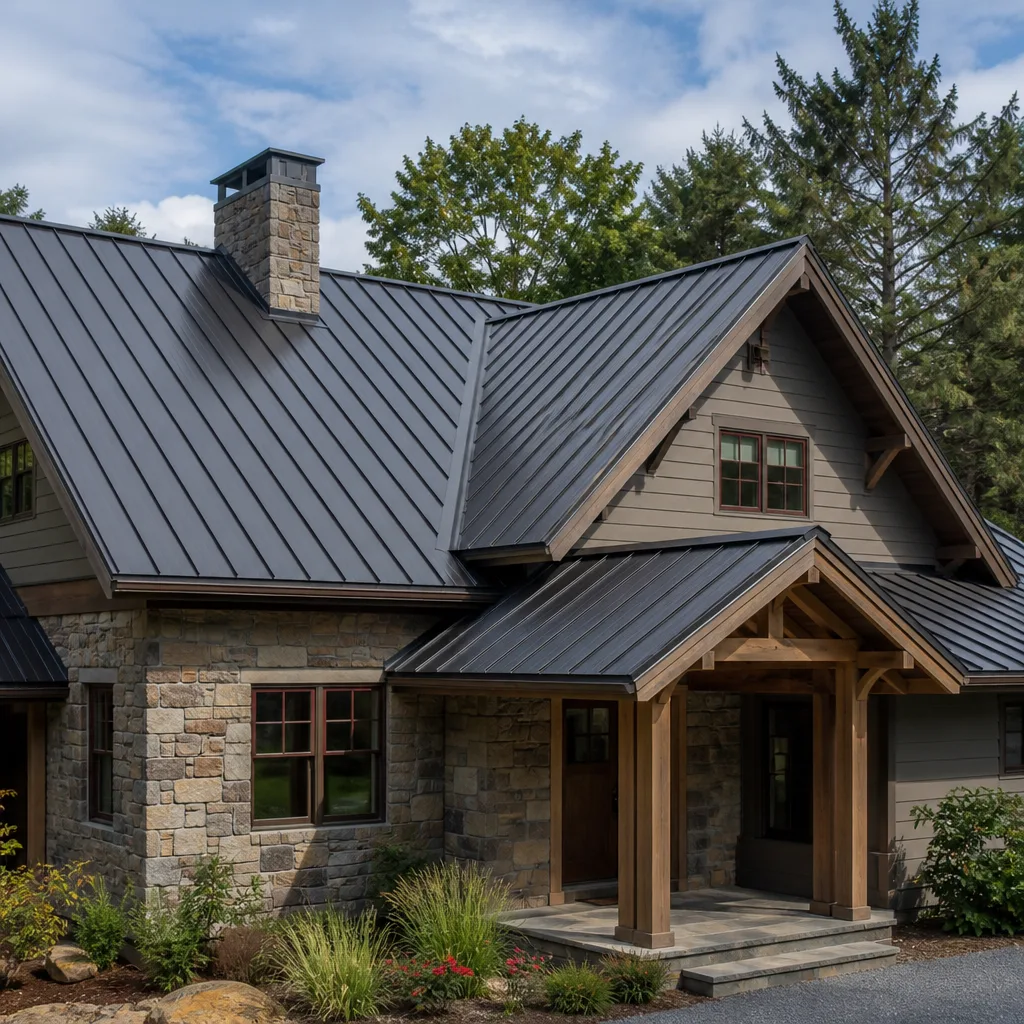 Metal roofing
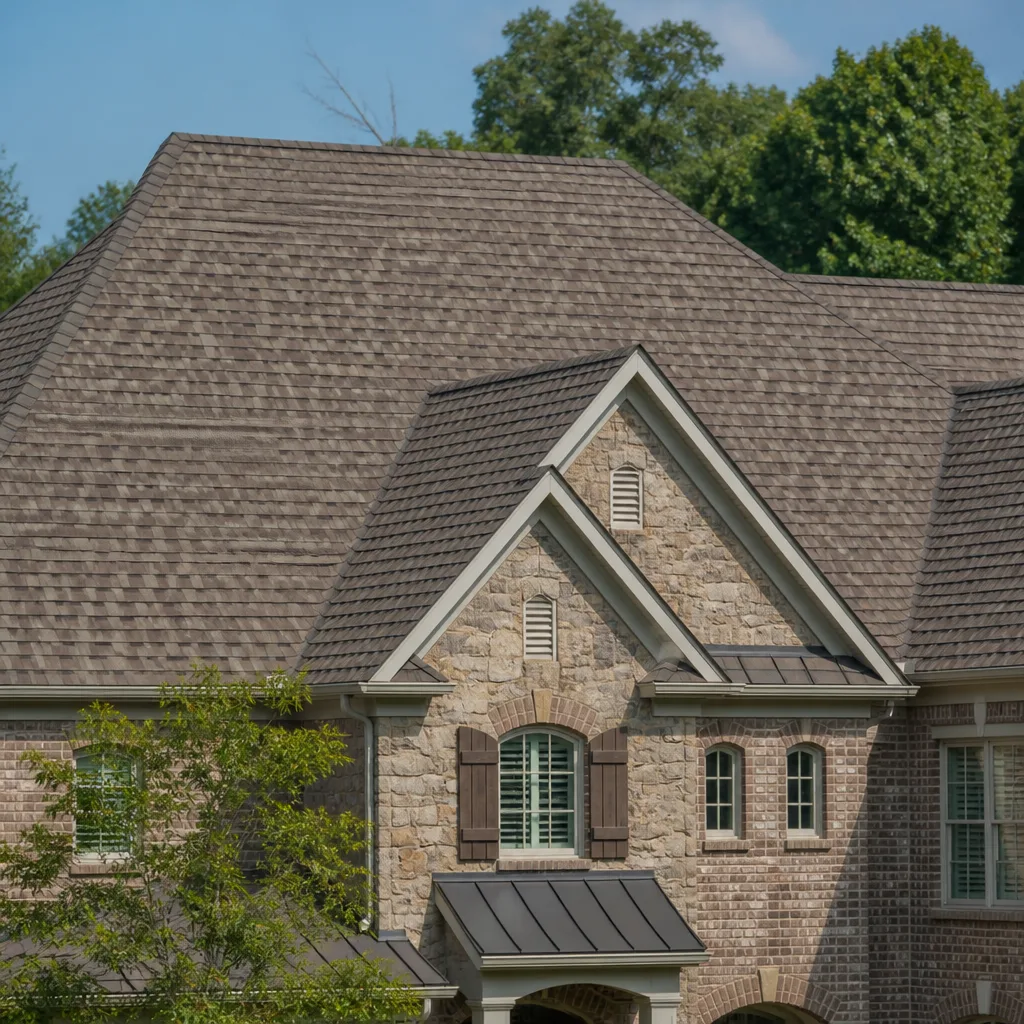 Architectural shingles
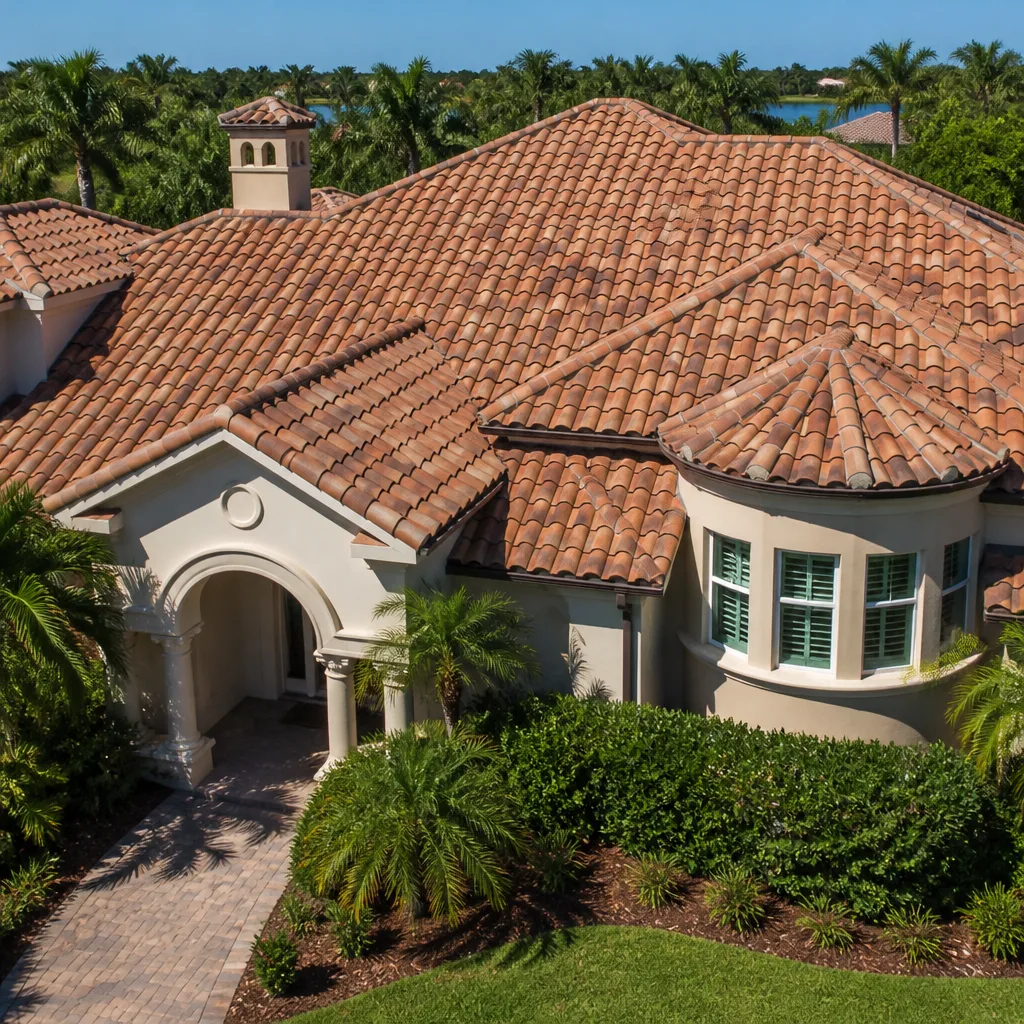 Tile roofing
 GAF
GAF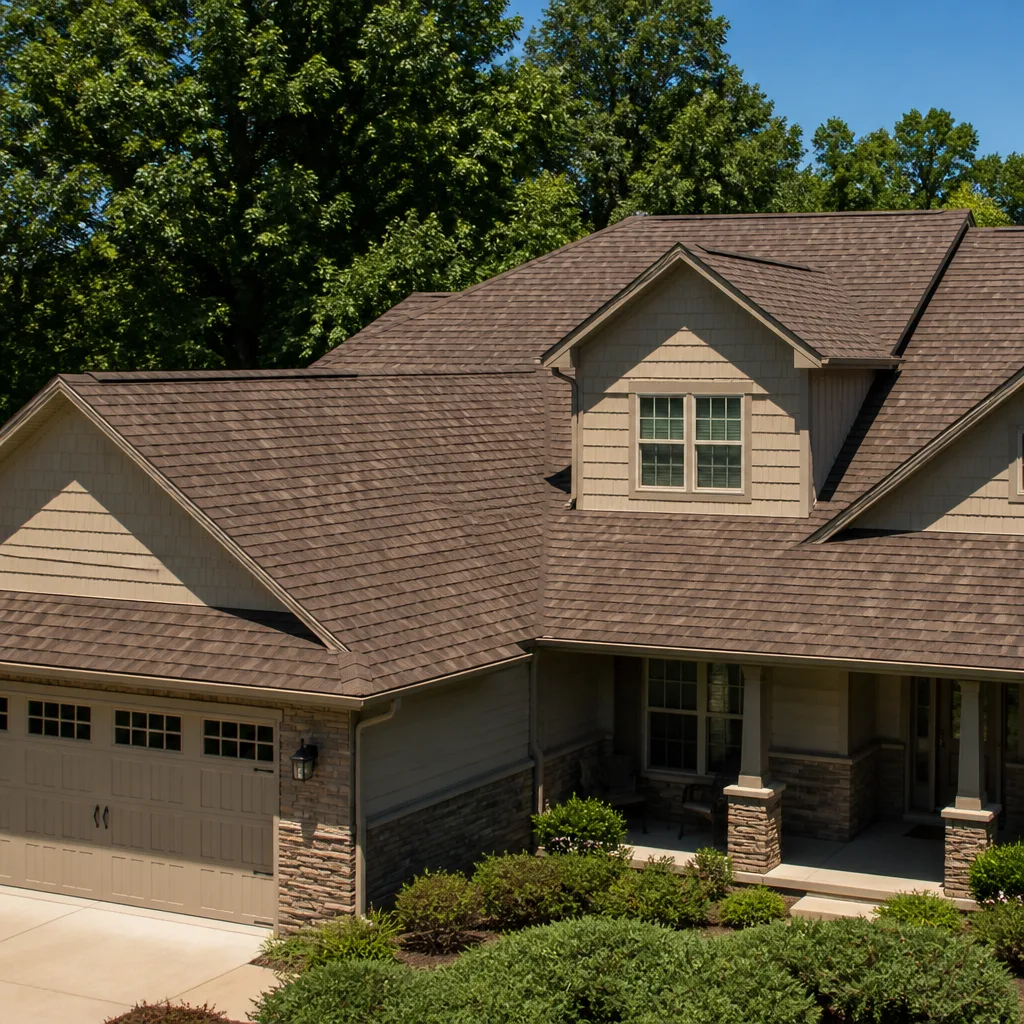 Owens Corning
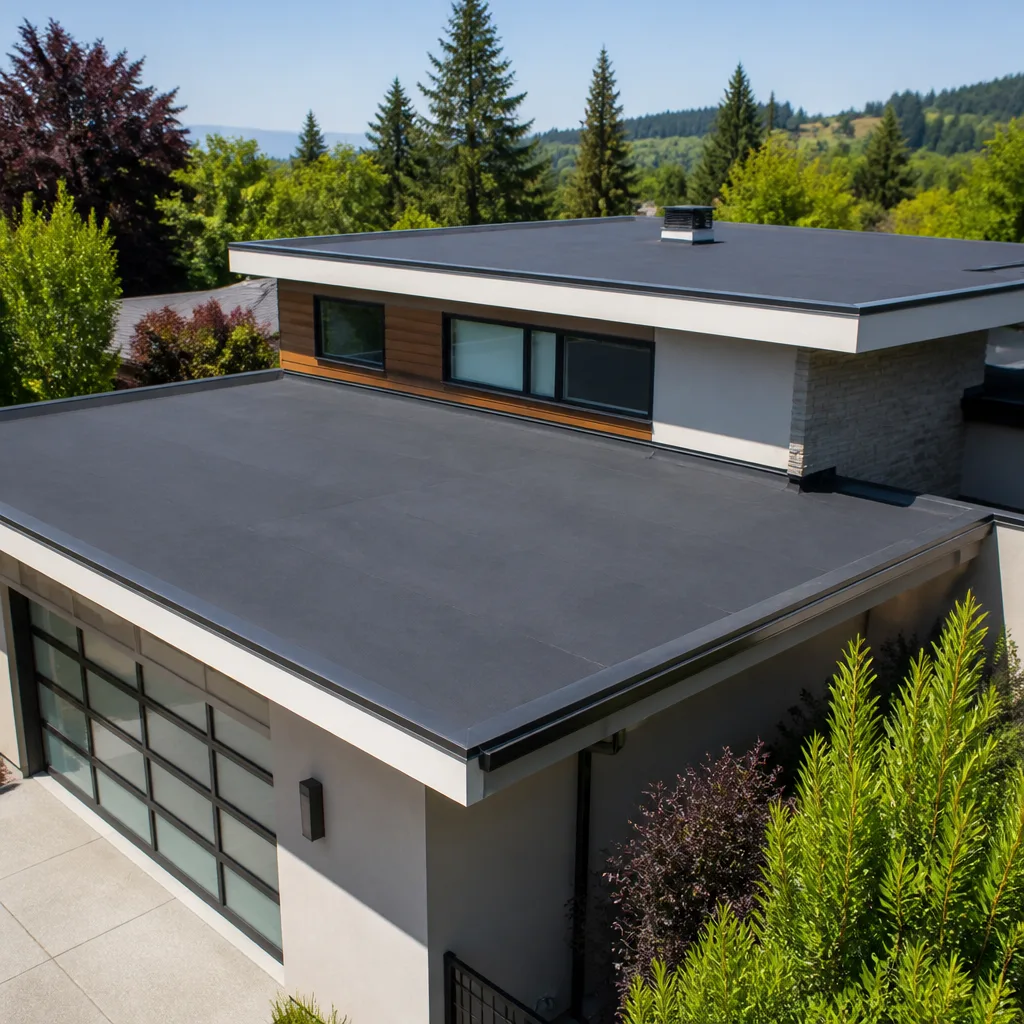 Flat & low-slope
Free roof inspection with deck photos before we talk money - GAF and Owens Corning certified installation
Roofing Cost Breakdown: The Orange County Homeowner’s Reference for 2026
A $9,800 bid and a $14,200 bid for the same 2,000-square-foot re-roof aren’t both competitive. One of them is missing something. The question isn’t which contractor is cheaper; it’s which line items account for the $4,400 gap. This guide gives you the framework to read a roofing estimate in Orange County the way a contractor does, line by line, so you can spot where real value lives and where a low number means someone cut a corner you’ll pay for later. For Roofing Warning Signs: A Orange County Homeowner’s Reference Guide, see our dedicated resource.
Quick Answer
A full roof replacement in Orange County runs roughly $8,500 to $22,000 for most single-family homes in 2026, with $11,000 to $15,000 being the common middle for a 1,800 to 2,200-square-foot home getting architectural asphalt shingles. Tear-off of the existing roof, underlayment, flashing, permits, and labor are already inside that range. Concrete tile roofs run higher, usually $18,000 to $40,000 depending on profile and underlayment spec, and flat roof systems fall between $10,000 and $20,000.
Styles & brands we work with
Table of Contents
- Line-Item Breakdown: What Actually Costs What in 2026
- Material Costs by Type and Manufacturer Tier
- Labor, Tear-Off, and Disposal: The Hidden Half of Your Bid
- Permits and Inspection Fees by Orange County Jurisdiction
- Manufacturer-Certified Installation vs. Standard Installation
- What Drives Legitimate Price Variation in Orange County
- The True Cost of a Low-Ball Bid
- Financing and Insurance Claims: What OC Homeowners Need to Know
Line-Item Breakdown: What Actually Costs What in 2026
Most roofing estimates in Orange County arrive as a single bottom-line number, and that’s the problem. A disciplined estimate separates the job into categories so you can see exactly what you’re paying for. Here is what a properly itemized re-roof estimate should show for a 2,000-square-foot home in Orange County at 2026 pricing.
| Line Item | Typical Range (2,000 sq ft home) | What It Includes |
|---|---|---|
| Material (architectural asphalt shingles) | $4,200 – $6,800 | Shingles, starter strips, ridge cap, vent boots, pipe collars |
| Underlayment (synthetic, OC climate spec) | $900 – $1,400 | Synthetic underlayment, ice-and-water shield at eaves, valleys, and penetrations |
| Flashing replacement | $600 – $1,200 | Chimney, skylight, wall, and valley flashing in galvanized or painted aluminum |
| Labor (installation) | $2,500 – $4,000 | Installing all materials to manufacturer spec |
| Tear-off and disposal | $1,800 – $3,000 | Removing existing roof, hauling debris, landfill fees, job site cleanup |
| Permit and inspections | $400 – $1,100 | City permit, county review where applicable, inspection scheduling |
| Contractor overhead and margin | $2,000 – $3,500 | Workers’ comp, insurance, vehicle, office, supervision, profit |
That puts a fair, fully-loaded architectural shingle re-roof in Orange County at roughly $12,400 to $20,000 before any extras like decking repair or ventilation upgrades. When a bid falls well below that range, one of those categories got reduced. The three most commonly cut are underlayment spec, flashing replacement, and the permit line. We’ll come back to what those cuts actually cost.
For context, our team at Brennan Roofing Co Orange County home writes every estimate as a line-by-line document. The price goes on paper before any work starts, and the line items don’t move at the door. That’s the Garrison Standard, and it’s how a homeowner should expect every roofer in Orange County to operate.
Material Costs by Type and Manufacturer Tier
Material choice is the single largest cost variable in an Orange County roofing job, and it’s also where two bids can look identical while being materially different. The same “architectural shingle” phrase can hide a $30-per-square difference depending on manufacturer tier and line.
Asphalt Shingles: The OC Default
Architectural asphalt shingles remain the most common roof choice for Orange County homes. Entry-tier architectural lines from manufacturers like Atlas and Tamko run $110 to $140 per square (a square is 100 square feet of roof area). Mid-tier lines, which is where most of the Orange County market lands, run $140 to $180 per square. Premium lines with enhanced wind ratings and heavier granule weight run $180 to $250 per square.
For a 2,000-square-foot home, that’s a material spread of roughly $2,200 to $5,000 depending on line choice alone. The difference isn’t cosmetic. Premium lines carry higher wind ratings, which matters in the Santa Ana wind corridors that run through parts of Orange County every fall, and thicker granule layers that hold up better under constant coastal sun exposure.
Concrete and Clay Tile
Orange County has a large inventory of Spanish and Mediterranean style homes with tile roofs. Concrete tile material runs $250 to $450 per square, and clay tile can reach $600 to $900 per square for the profile types common in neighborhoods like Tustin, Orange, and Fullerton. Tile is heavier, so it sometimes requires structural verification, and the underlayment beneath tile carries a higher spec than what goes under shingles.
Boral manufactures several concrete tile profiles popular in Southern California, and their material lines are a common sight on Orange County homes. When a tile roof is replaced, the underlayment is the component that does the actual waterproofing, so skimping there is a serious mistake. A tile roof with failed underlayment will leak even though the tile itself looks fine.
What the Big Name Brands Actually Mean
GAF, CertainTeed, Owens Corning, IKO, Atlas, and Tamko all manufacture quality products. What separates them at the homeowner level isn’t brand mystique; it’s the warranty structure each manufacturer offers and whether the installation qualifies. GAF offers enhanced warranties through their certified contractor programs, as do CertainTeed and Owens Corning. The difference between a basic manufacturer warranty and an enhanced one can be thirty to fifty years of coverage.
The material line matters less than the installation standard. A mid-tier Atlas shingle installed to manufacturer spec with correct fastening and ventilation will outperform a premium GAF shingle installed by a crew that cuts corners on fasteners. We install materials from multiple manufacturer lines, including GAF, CertainTeed, Owens Corning, IKO, Atlas, Tamko, and Boral, because different Orange County homes have different needs. The conversation starts with your roof’s exposure, slope, and existing ventilation, not with a brand name.
Labor, Tear-Off, and Disposal: The Hidden Half of Your Bid
Labor is the line item Orange County homeowners understand the least, because most estimates bury it inside a single number. A re-roof isn’t just nailing shingles. It’s a sequence of operations, each with its own labor cost and each requiring a different skill level.
Tear-Off: The Part Nobody Quotes Correctly
Removing an existing roof in Orange County runs $1,800 to $3,000 for a 2,000-square-foot home depending on what’s up there. A single layer of asphalt shingles comes off fast. Two layers take longer and cost more. Wood shake, which still covers thousands of older Orange County homes, is the most expensive to remove because the shakes splinter, the nails are harder to pull, and disposal fees run higher. Homes in older neighborhoods like Santa Ana’s Washington Square or parts of Garden Grove often have shake under a newer layer of composition, and the tear-off cost surprises homeowners who didn’t plan for it.
Disposal is a separate line item. Orange County landfill fees for construction debris have risen steadily, and a full tear-off produces several tons of material. A contractor who doesn’t itemize disposal is either folding it into labor or planning to cut the clean-up phase short. Ask whether the bid includes magnetic nail sweep of the yard and driveway. It should.
Installation Labor
Roofing labor in Orange County runs $2,500 to $4,000 for a standard 2,000-square-foot architectural shingle installation. That price assumes a normal access situation and a roof pitch at or below 6:12. Anything steeper changes the math fast. A 7:12 pitch means the crew moves slower, ties off more, and the job takes longer. A 9:12 or 10:12 pitch can add 30 to 40 percent to the labor line.
The skill level of the crew is the real variable here. A certified installation requires foremen who know the manufacturer’s spec, not just nail guns. The crew needs to understand proper nailing patterns, correct nail placement on the shingle, and how to flash the transitions where leaks actually start. That expertise costs more per hour, and it shows up in the final product.
Every technician we dispatch in Orange County is background-checked and arrives in uniform. You know who’s on your roof. It’s part of the Garrison Code we operate under, and it’s a fair question to ask any contractor: who exactly will be on my roof, and what training do they have?
Permits and Inspection Fees by Orange County Jurisdiction
Permitting is a line item that separates honest roofers from the rest, and it’s also where Orange County creates legitimate price variation. Every city in Orange County issues its own permits, and the fees and turnaround times differ.
What Permits Cost by Jurisdiction
A residential re-roof permit in Orange County typically runs $300 to $500 in permit fees alone. The total line item, including the contractor’s time to file, respond to plan check comments if any, and schedule inspections, runs $400 to $1,100 depending on the city. Here’s what we see across Orange County jurisdictions:
- Santa Ana: Permit fees around $350 to $450, typical turnaround 2 to 3 weeks for standard re-roofs
- Anaheim: Fees $300 to $500, turnaround 1 to 3 weeks depending on roof type
- Irvine: Fees $350 to $550, often requires additional documentation for tile or flat roof replacements
- Newport Beach and coastal cities: Fees can reach $600 to $800, with additional coastal development review for some neighborhoods
- Unincorporated Orange County: County permits run $300 to $450 with similar turnaround
The permit line isn’t optional. In Orange County, a re-roof without a permit is a code violation that can surface when you sell the home, and it voids the path to a clean final inspection. For full details, see Roofing Permits, Codes & Inspections in CA: What You Need to Know. A contractor who says “we don’t need a permit for this” is asking you to absorb the risk. The answer in Orange County is that you do need a permit for a full re-roof, and for most repairs beyond a small patch.
We pull permits on every job in Orange County that requires one, schedule the inspections, and make sure the inspection passes before the job is closed. It’s one of the practices under The Garrison Standard, and it’s a question every homeowner should ask before signing a contract: who pulls the permit, and who’s responsible if the inspection fails?
Manufacturer-Certified Installation vs. Standard Installation
Here’s the part most cost guides skip: the same shingle installed by a certified contractor and a non-certified contractor produces a different roof, different warranty, and different price. Here’s why.
What Certification Actually Means
Manufacturers like GAF, CertainTeed, and Owens Corning run contractor certification programs. To earn the designation, a contractor must meet training requirements, pass inspections of completed work, and maintain a track record with the manufacturer. In exchange, the manufacturer extends warranty coverage beyond the standard material warranty.
A standard GAF installation carries a limited lifetime material warranty that covers manufacturing defects only. The labor to replace a defective shingle is on you. A GAF-certified installation can carry a warranty that covers labor for a set number of years and includes the full roofing system rather than just the shingles. That’s the difference between a warranty that replaces a box of shingles and a warranty that pays for the new roof.
The Price Difference
Expect a certified installation to run 8 to 15 percent higher than a standard installation with the same material. On a $13,000 job, that’s about $1,000 to $2,000. What you’re buying isn’t the certificate; it’s the installation discipline. Certified contractors must install to the manufacturer’s exact spec because the manufacturer backs the work. If the certified contractor installs incorrectly, the manufacturer has a financial reason to correct it.
That’s a meaningful protection in Orange County, where coastal moisture, Santa Ana wind, and intense sun expose installation flaws faster than milder climates do. Our Seasonal Roofing Care for Orange County: Year-Round Homeowner’s Guide covers how to protect against these conditions. The warranty difference matters most in years 10 through 20, when installation flaws that wouldn’t show up in a mild climate start to leak.
The key question to ask any contractor in Orange County: “Are you certified by the manufacturer of the shingle you’re quoting, and will the warranty be in writing?” If the answer to either is no, the savings on the bid need to be measured against the warranty you’re not getting.
What Drives Legitimate Price Variation in Orange County
Two quotes for the same house in Orange County can legitimately differ by 20 to 30 percent, and not because one contractor is gouging. Here are the real drivers.
Roof Pitch
Any roof above a 6:12 pitch adds labor cost. The steeper the roof, the slower the crew works, the more safety equipment is required, and the higher the labor line. A 4:12 roof is easy walking. A 9:12 roof means every step is deliberate. Homes in the hills of Orange, Villa Park, and parts of Yorba Linda often have steeper pitches, and those roofs simply cost more per square to install.
Tile-to-Shingle Conversion
Orange County has thousands of aging tile roofs. When a homeowner converts from tile to shingles, the cost isn’t just a shingle installation. The roof deck needs to be stripped to the sheathing, the structure needs to be assessed for the different weight load, and the old batten system often needs to be replaced or removed. A tile-to-shingle conversion can run $3,000 to $7,000 more than a shingle-to-shingle replacement, and anyone quoting it without mentioning structural assessment is leaving something out.
HOA Requirements
Large portions of Orange County fall under HOAs, and many of them govern roof color and material. If your HOA requires a specific tile color or shingle line, that constrains your material choices and can add cost. The HOA approval process also adds time. In cities like Irvine, Mission Viejo, and Aliso Viejo, HOA color approval can add two to six weeks to the timeline. A contractor who knows the local HOA landscape can tell you upfront what’s realistic.
Access and Staging
Homes with tight side yards, gated communities, steep driveways, or no staging area for materials and debris cost more to work on. The crew needs to walk material farther, the tear-off debris gets hauled in stages, and the job takes longer. In beach-adjacent communities like Huntington Beach and Newport Beach, parking restrictions and tight lots add real logistical cost.
Decking Condition
No estimate can see the decking until the old roof comes off. If the sheathing underneath is rotted or sagging, you’re looking at $2 to $4 per square foot of replaced decking. In Orange County, older homes near the coast that have had decades of fog exposure often show decking rot at the eaves. The honest estimate will include a decking replacement clause with a per-sheet price stated upfront, so you know the exact cost if decking needs replacing once the roof is open.
Our Roofing Company in Orange County page explains how the Garrison Standard handles these variables: the price goes on paper before work starts, and the per-sheet decking rate is in the contract so there’s no door-knock surprise.
The True Cost of a Low-Ball Bid
The cheapest Orange County roofing bid is never the cheapest roof. It’s a loan you didn’t agree to, with interest due in leaks, rotted decking, and a second replacement years early. Here’s what gets cut when a bid comes in 30 to 40 percent below market, and what the correction costs later.
The Common Cuts, Itemized
- 15-lb felt instead of synthetic underlayment: Saves roughly $500 to $700 on a 2,000-square-foot roof. 15-lb felt is more fragile during installation and in wind-driven rain. Synthetic underlayment has become the Orange County standard for a reason. Correcting failed felt later means a full re-roof: $12,000 to $20,000.
- Reduced fastener counts: Saves about $200 to $400 in nails and time. Fewer nails per shingle means the system fails in wind. In Santa Ana wind corridors, an under-fastened roof won’t just leak; it will lift. The repair is a full re-installation: $10,000 to $18,000.
- No ice-and-water shield at eaves and penetrations: Saves $400 to $800. Orange County doesn’t get ice dams, but wind-driven rain and coastal fog make the self-adhered membrane at valleys, dormers, and pipe boots a real protection. Without it, leaks at penetrations are common within five to ten years.
- Flashing reuse instead of replacement: Saves $600 to $1,200. Reused flashing is the most common source of leaks in a new roof. The flashing is the part that failed on the old roof, and putting it back is buying the same failure twice.
- No permit pulled: Saves $400 to $1,100 in fees and time. This one compounds. No permit means no inspection, which means no third-party check that the installation meets code. When you sell the home, the unpermitted roof becomes a disclosure problem, and the buyer will price it in.
- No workers’ comp insurance: Saves the contractor thousands, costs you everything. If a worker falls off your roof and the contractor has no coverage, your homeowners insurance can be on the hook. Any Orange County roofer you hire should show you a certificate of insurance with workers’ comp coverage before the first ladder goes up.
What the Low-Ball Bid Looks Like Three Years Later
The pattern we see in Orange County is consistent. The low bid gets the job. Within three to five years, the homeowner has a leak at a pipe boot or a valley, and the original contractor’s phone doesn’t answer. The repair costs $800 to $2,500 if caught early. If the roof was under-fastened, the second failure comes in the next strong wind event. By year eight, the homeowner is getting quotes for a second full replacement, which means the low bid cost them more than the high bid ever would have.
Travis Oakley has walked more than a few of these second-replacement jobs in Orange County. The conversation starts the same way: “The last guy was the cheapest.” The math rarely favors that option.
Financing and Insurance Claims: What OC Homeowners Need to Know
Two scenarios dominate roofing conversations in Orange County: paying out of pocket with financing, and involving insurance. Here’s how both actually work in 2026.
Insurance: What’s Covered, What’s Not
A standard California homeowners policy covers sudden, accidental damage: wind tears off shingles, a tree limb punctures the roof, a storm blows over a vent. What it doesn’t cover is age. If your Orange County roof is 25 years old and the decking is rotting at the eaves, that’s a maintenance issue, not an insurable event. Insurance pays for damage, not for replacement of a roof that wore out.
Some Orange County homeowners with older roofs face a different scenario: the insurer won’t renew the policy unless the roof is replaced. That’s an out-of-pocket replacement with a clear deadline, and it’s worth getting the replacement done right the first time because the insurer will want documentation that a permitted, inspected roof was installed.
The “We Work With Your Insurance” Pitch
A contractor who says “we’ll handle your insurance claim” is offering to negotiate with your carrier on your behalf. That can be legitimate, and it can also be a system to inflate the claim. The better questions to ask:
- Will you provide a line-item estimate your adjuster can review?
- Who pays the deductible, and is any part of it being credited back?
- Does the contract price match the claim amount, or does the scope change after the adjuster approves?
- Are you licensed in California, and will the permit be pulled under your license?
Contractors who waive deductibles are a red flag, not a bargain. That practice is insurance fraud in California, and it’s the homeowner who signs the claim forms.
Financing a Roof Replacement
For out-of-pocket replacements, many Orange County roofers offer financing. Typical terms in 2026 run 5 to 8 percent APR on a secured home improvement loan through a third-party lender, with terms from 5 to 15 years. The useful question isn’t “do you offer financing” but “can I see the written terms before I sign anything, and does the financing company own the job if I dispute the work?”
The cleanest approach in Orange County is a written contract with the price locked before any work starts, regardless of how it’s funded. That’s the arrangement we stand behind at Roof Repair in Orange County and every other job we take: written price, no changes at the door, one-year written guarantee, and a free return visit if anything fails within that year.
Common Mistakes to Avoid
- Comparing bids by bottom line only. A $12,000 bid and a $16,000 bid aren’t the same roof with different profit. They’re different scopes. Ask for line items and compare them.
- Assuming the HOA doesn’t matter. In Irvine, Mission Viejo, and a dozen other Orange County cities, the HOA can stop your color choice, your material choice, and your start date. Check before you sign.
- Accepting a bid without a permit line. No permit means no inspection, a disclosure problem at sale, and a code violation in every Orange County jurisdiction. It’s not a savings, it’s a deferred cost.
- Reusing flashing to save money. The flashing is where leaks start, and old flashing reused on a new roof is the most common cause of a new-roof leak we see in Orange County.
- Financing through a contractor without reading the terms. Some financing products carry penalties and escalation clauses that turn a $14,000 roof into a $22,000 loan. Read the documents.
- Hiring a roofer who won’t show proof of insurance. A fall on your property with no workers’ comp coverage is your liability. Certificates of insurance take five minutes to produce. Ask.
- Rushing the decision because the roof is leaking. Emergency repairs can be done quickly and properly, but a full replacement deserves a real estimate. Any Orange County roofer worth hiring will tarp the leak and give you a written quote before asking you to commit to five figures.
See the difference
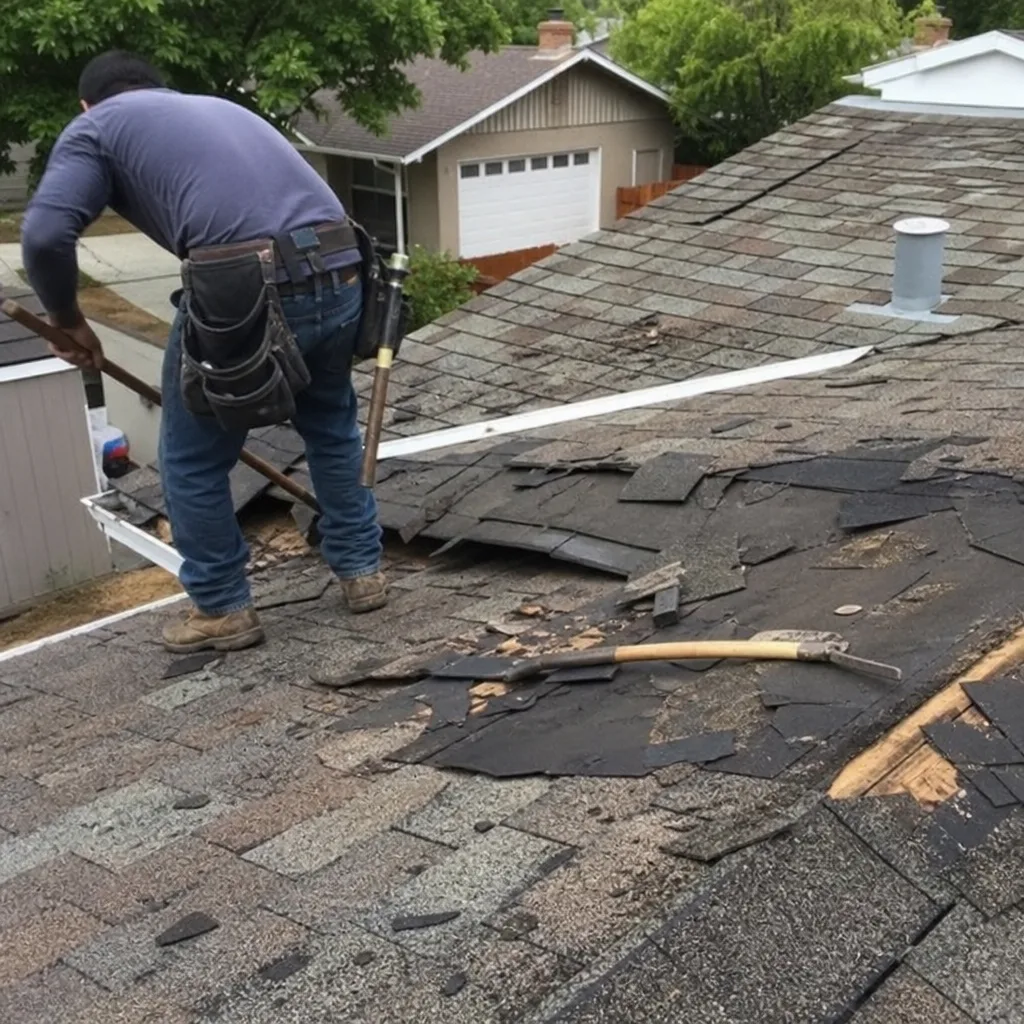 Before
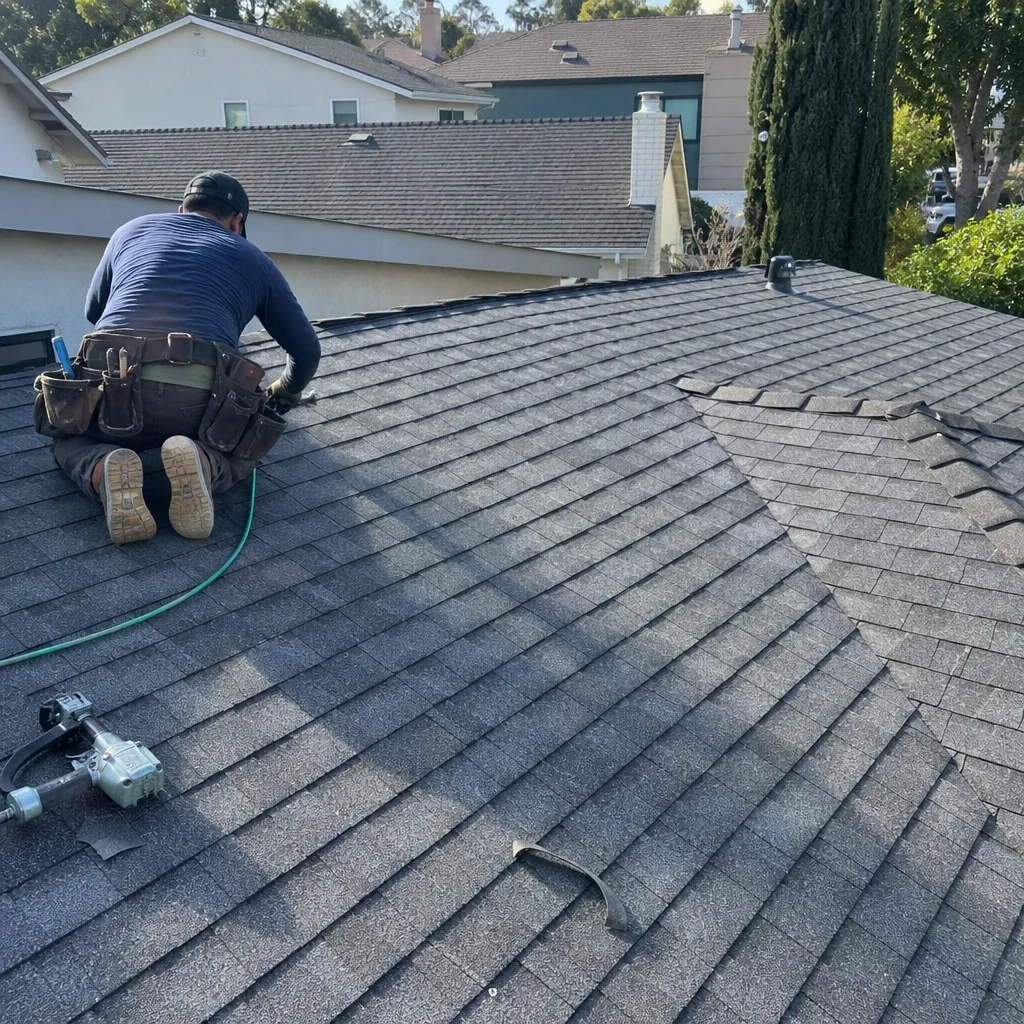 After
After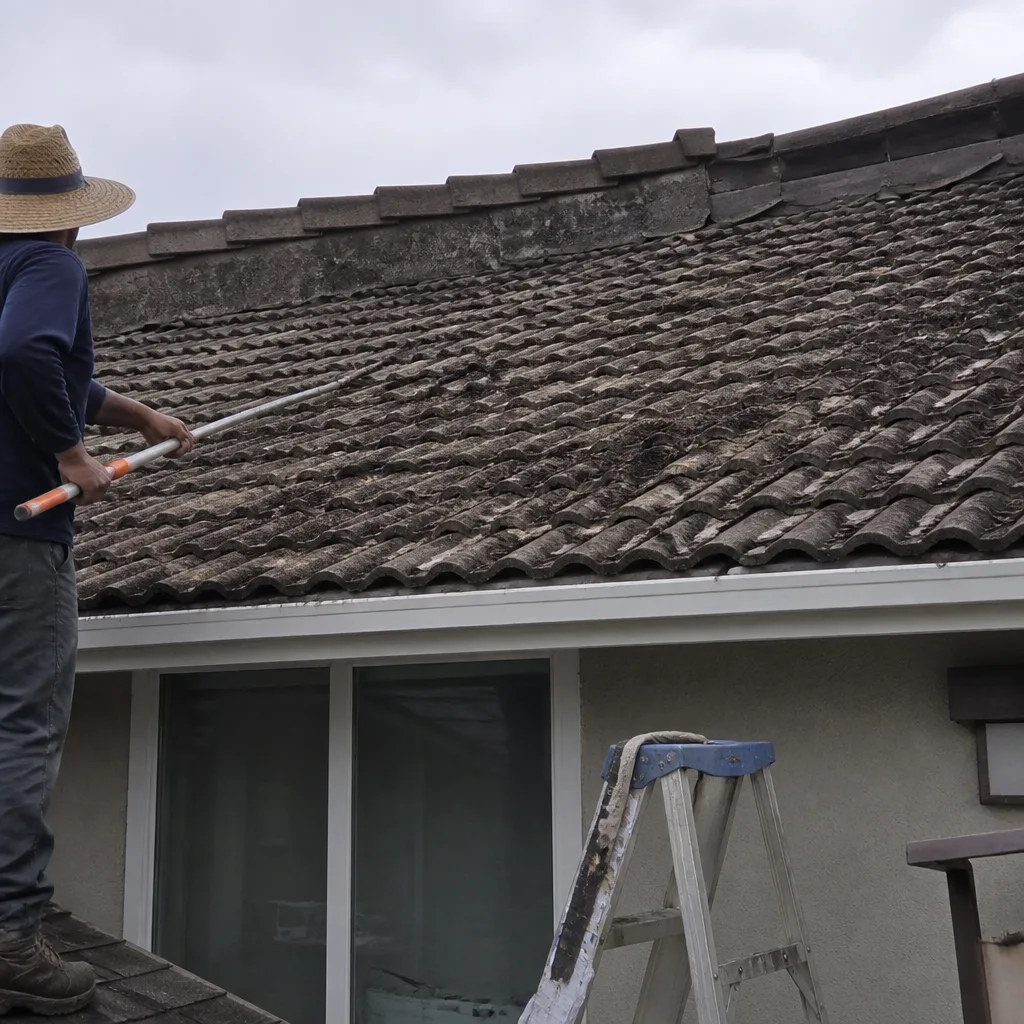 Before
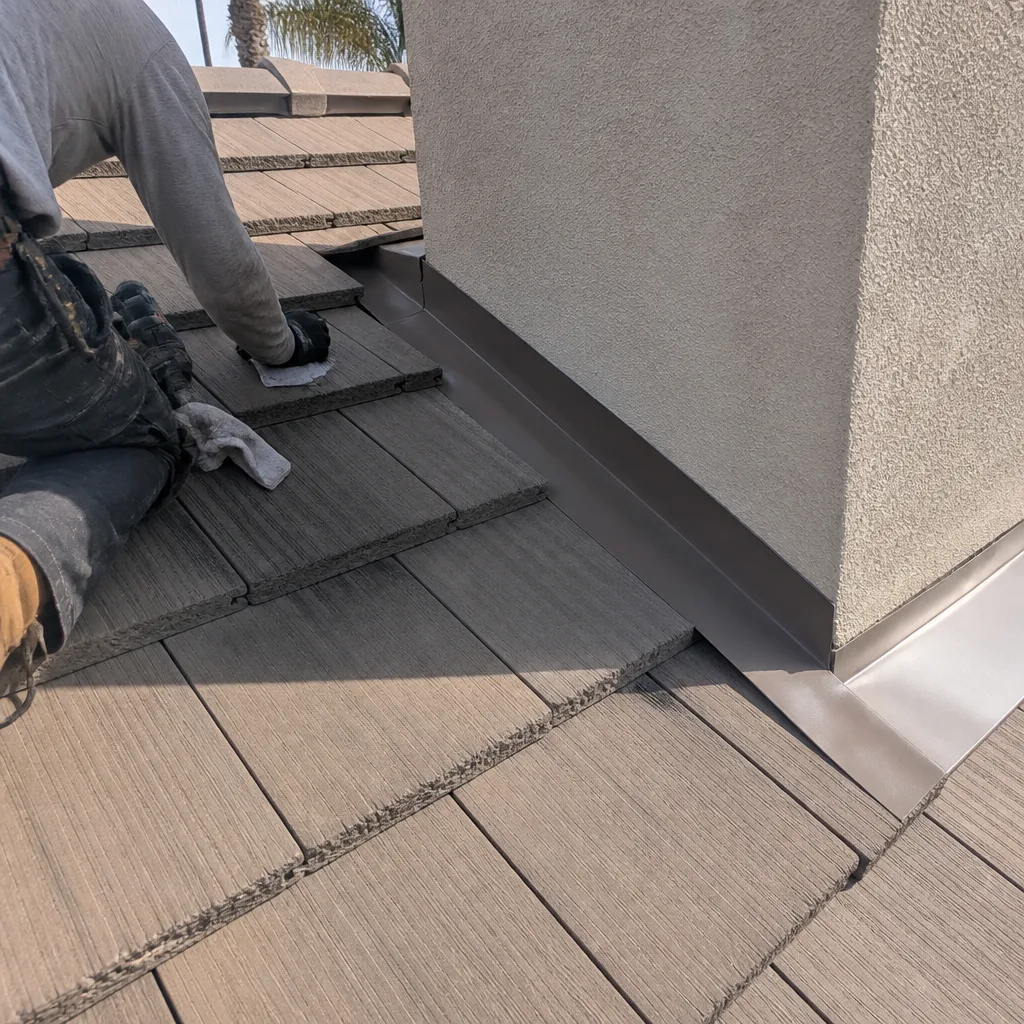 After
After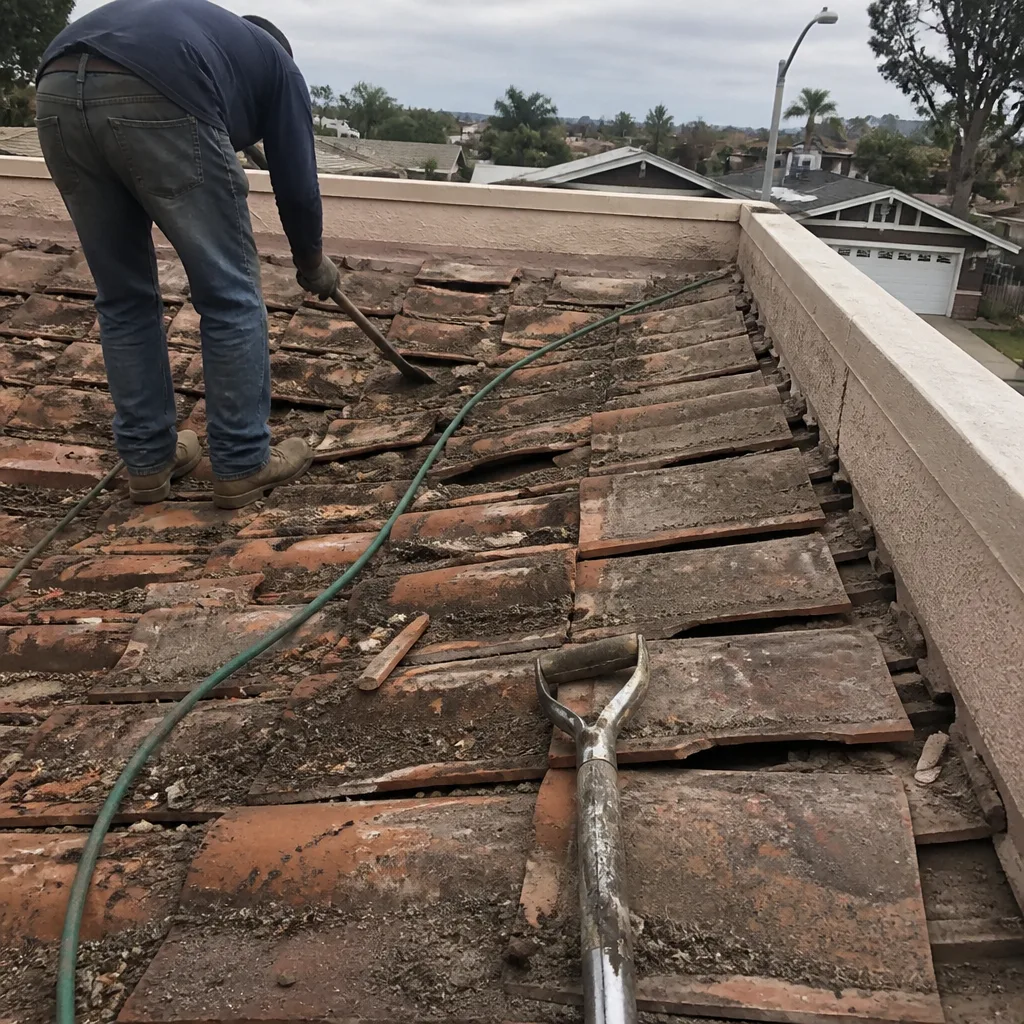 Before
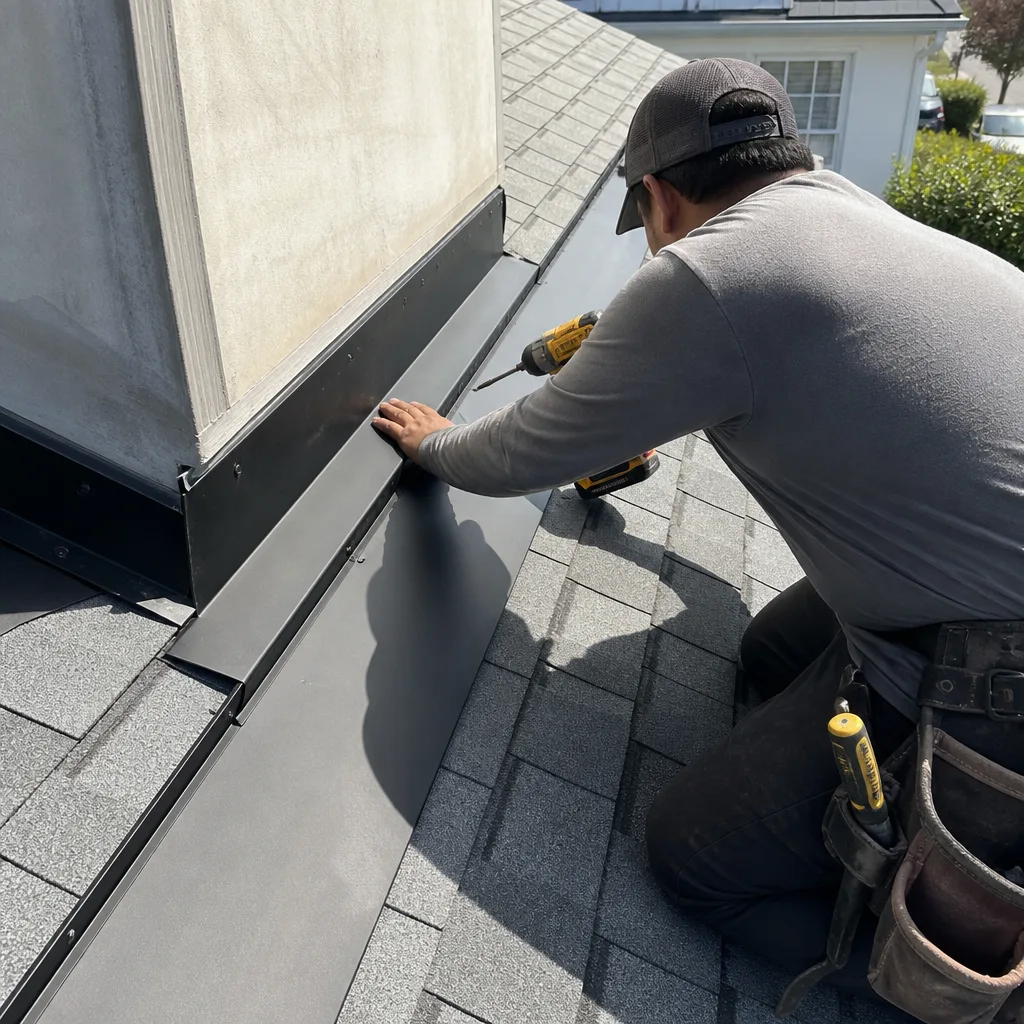 After
AfterWhen to Call a Professional
Call a professional when you see water staining on a ceiling, shingle granules in the gutters, lifting or curling shingles, or flashing that’s pulling away from the chimney or walls. Call before you see any of that if your roof is over 20 years old and you want to plan the replacement rather than react to a failure. A Roof Inspection in Orange County is the cheapest insurance against a rushed decision, and a written estimate puts the real numbers in your hands before you commit.
Brennan Roofing Co Orange County offers free estimates in Orange County. Call (559) 258-5703 and talk to a live person, any hour. No voicemail, no callback queue. You’ll get a written, line-by-line price before any work starts, and every job carries the 365-Day Done Right Promise in writing: if it’s not done right, we make it right at no charge, for one full year.
Frequently Asked Questions
A new asphalt shingle roof in Orange County typically costs $8,500 to $22,000 for most single-family homes in 2026, with $11,000 to $15,000 being the common range for a 2,000-square-foot home. Tile roofs run higher, usually $18,000 to $40,000. For an exact quote on your home, call (559) 258-5703 for a free written estimate.
No. A full re-roof in Orange County requires a permit, and every city in the county enforces this. Minor repairs under a certain size may not require one, but any replacement does. A contractor who says otherwise is asking you to carry the code violation.
A standard shingle re-roof on a 2,000-square-foot home takes 2 to 4 days of actual work in Orange County once the permit is issued and materials are staged. The permit wait and HOA approval can add 2 to 6 weeks before work starts. Tile roofs take longer, usually 5 to 8 working days.
Fifteen-pound felt is the older asphalt-saturated paper underlayment, and synthetic is the heavier woven polypropylene material that is now standard for Orange County roofs. Synthetic costs $500 to $700 more per average home but resists tearing better, lays flatter, and performs better in wind-driven rain.
That depends on your cash position and the financing terms. If the financing APR is above 8 percent and the term is beyond 10 years, the total cost of the loan can exceed the cost of the roof by a wide margin. Get the written terms and do the math before selecting financing.
Insurance pays when the roof is damaged by a covered sudden event, like wind or a falling tree, not when it’s simply old. If your roof is over 20 years old, the insurer may require replacement as a condition of renewing the policy. That’s an out-of-pocket cost, and it should be done with a permitted, inspected installation.
The Bottom Line
A roofing bid in Orange County is only as good as the line items behind it. Learn to read the tear-off, underlayment, flashing, and permit lines, and you’ll know whether a bid is honest before you ever meet the contractor. The lowest number on the page is rarely the cheapest roof, and the discipline of a written price before any work starts, a permit on file, and a one-year written guarantee is worth more than any discount. That’s the framework. Use it, and the $4,400 gap stops being a mystery and becomes a series of questions you’re equipped to ask.
Written by Travis Oakley, Owner at Brennan Roofing Co Orange County, serving Orange County since 2000.