
Last updated October 17, 2026
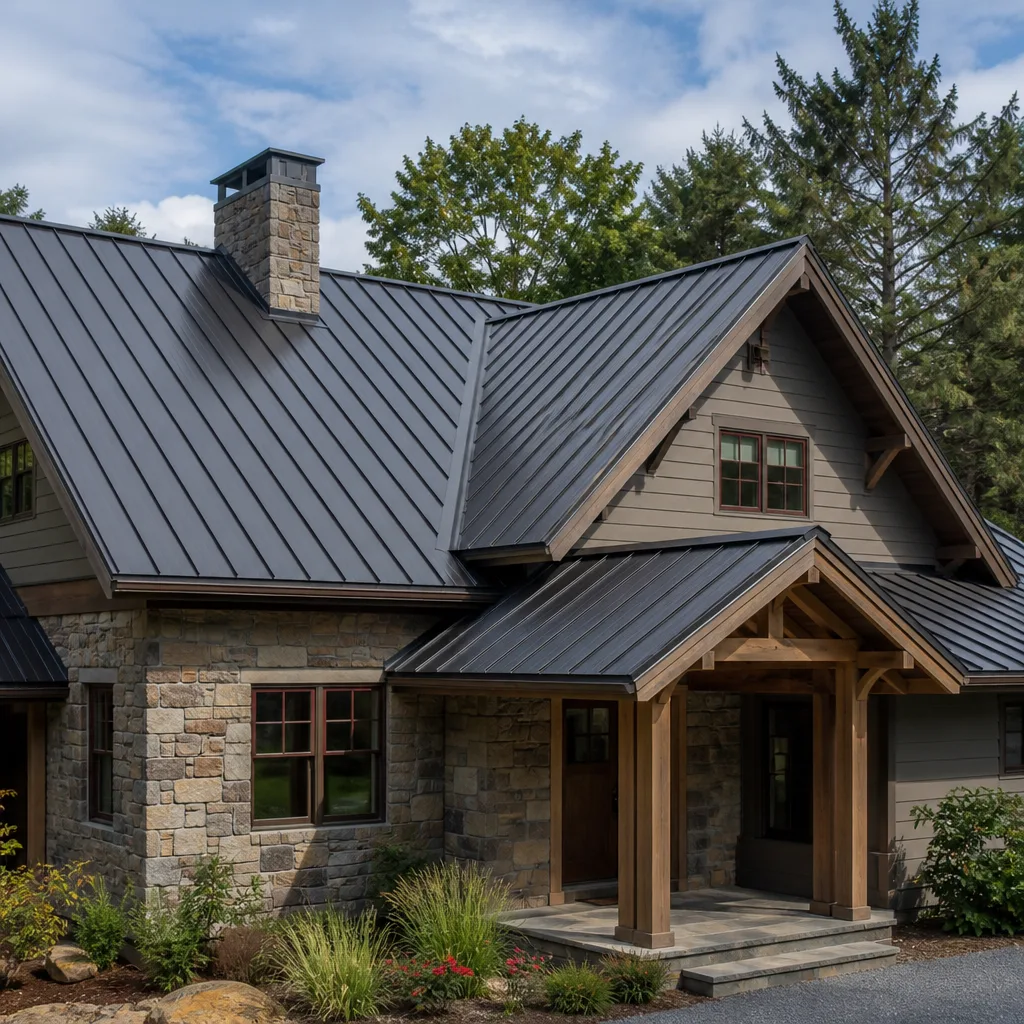 Metal roofing
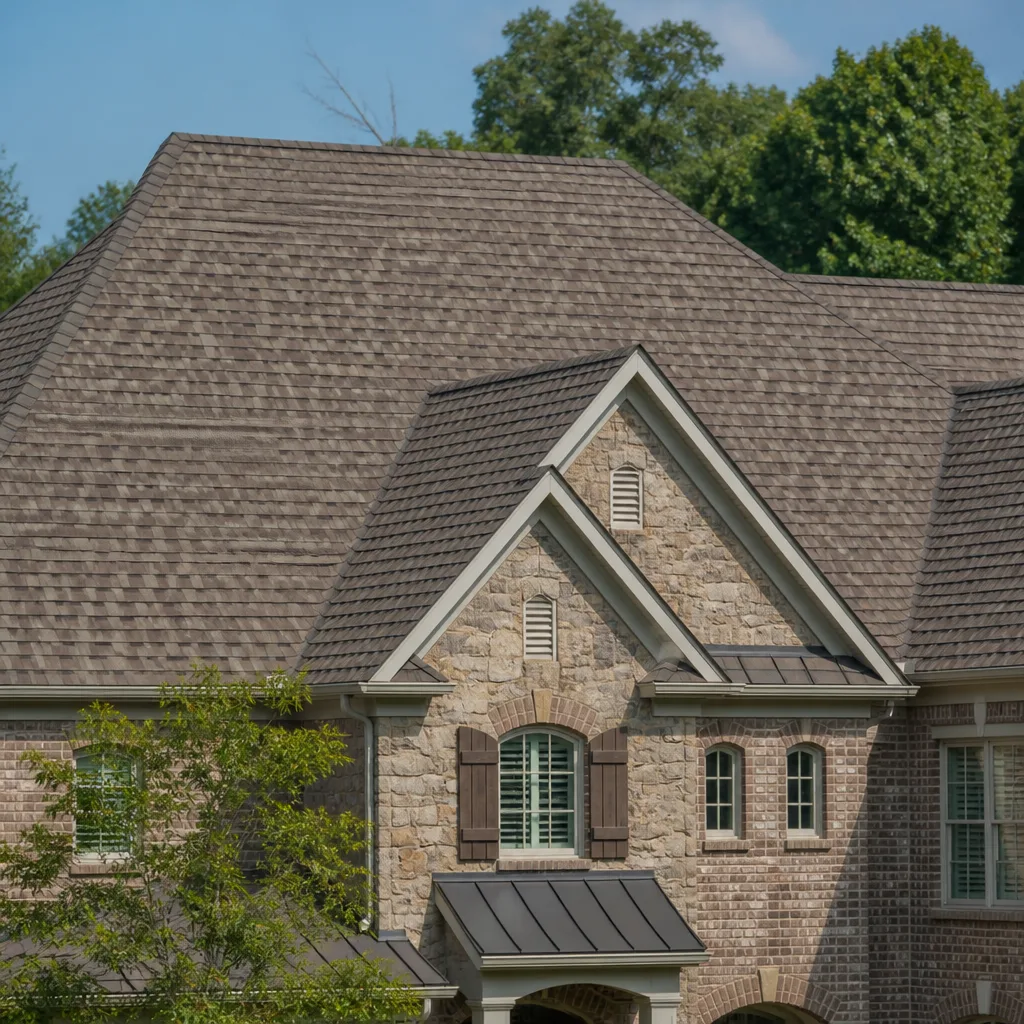 Architectural shingles
 Tile roofing
 GAF
GAF Owens Corning
 Flat & low-slope
Free roof inspection with deck photos before we talk money - GAF and Owens Corning certified installation
Roofing Permits, Codes & Inspections in CA: What You Need to Know
Roughly one in four Orange County roof replacements happens without a permit. That is not an official state statistic, but it matches what we see when we get called out to inspect homes that are about to go on the market. The homeowner believes the roof is done, and then the buyer’s inspector pulls the permit history and finds nothing on file. This guide explains how California’s roofing permit system actually works, where Orange County cities add their own rules, and what happens when the paper trail doesn’t match the shingles. For a broader overview, see our Complete Guide to Roofing in Orange County. By the end, you will know exactly what your roof requires and which contractor behaviors should make you walk away.
Styles & brands we work with
Quick Answer
In California, a full roof replacement of any size requires a building permit, and partial repairs require one when they exceed 10% of the roof area or involve structural sheathing. The licensed contractor is legally responsible for pulling that permit, and the final inspection must pass before the job is considered complete. In Orange County, individual cities and HOAs add their own layers on top of the state baseline, which is why the exact requirements for a house in Irvine can differ from one in San Clemente. Our Seasonal Roofing Care for Orange County: Year-Round Homeowner’s Guide covers how these local rules shift throughout the year.
Table of Contents
- Why California Roofing Permits Exist
- What the California Building Code Actually Requires
- Orange County Permit Authority: Cities, County, and HOAs
- What a Roofing Inspection Actually Checks
- Title 24 Energy Compliance and Cool Roofs
- Why Your Contractor Must Pull the Permit
- The Legal and Financial Liability of Unpermitted Roofs
- Step by Step: How a Permitted Roof Replacement Works
- What Permits and Inspections Cost in Orange County
- Common Mistakes to Avoid
- When to Call a Professional
- Frequently Asked Questions
- The Bottom Line
Why California Roofing Permits Exist
Permits are not a tax on homeowners. They are a checkpoint. When a roofing contractor pulls a permit, the city now has a record that work is happening, and that record triggers an inspection before the job gets signed off. If the crew puts down the wrong underlayment, skips the drip edge, or nails the flashing in a way that will leak within two years, the inspector catches it before you have paid the final bill and before the damage is hidden under shingles.
California building code is strict for a reason. The state sits on seismic faults and gets pounded by wind-driven rain in the winter. A roof that fails in a storm does more than soak a living room; it creates what code officials call a life-safety hazard. That is the term they use when water reaches electrical wiring or when a section of decking gives way underfoot. In Orange County specifically, homes near the coast deal with salt air corrosion on flashing and fasteners, while homes in the Santa Ana wind corridor need uplift resistance that interior zip codes do not. The permit process exists so that someone with no financial stake in the job verifies that the work meets the standard for your particular house.
We have walked too many Orange County roofs where the shingles look great from the driveway and the sheathing underneath is soft as a sponge. These are exactly the kinds of hidden problems covered in our Roofing Warning Signs: A Orange County Homeowner’s Reference Guide. That is what happens when the last roofing crew told the homeowner, “You don’t need a permit for this.”
What the California Building Code Actually Requires
The California Building Code (CBC) is built on the International Residential Code with state amendments, and its permit trigger language is straightforward. A building permit is required for any reroofing project where the existing roof covering is removed and replaced. That covers full replacements and most tear-offs. The code does not carve out an exception for “same material” or “just replacing shingles.” If the old roof comes off and new material goes on, a permit is required.
For repairs, the threshold is more nuanced. California’s residential code requires a permit for repairs that exceed 10% of the total roof area within a 12-month period. Some jurisdictions interpret this as 10% of a single roof plane, and some apply it to the aggregate across all planes. The code also requires a permit when any repair involves replacing roof sheathing or structural members, regardless of square footage. A few missing shingles after a wind event? That is maintenance. A repair that opens up a section of decking, replaces rafters, or reflashes an entire valley? That is permitted work in every Orange County city.
Here is what the state baseline covers, in plain terms:
- Full replacement: always requires a permit. No exceptions based on material or roof size.
- Repairs over 10% of roof area: permit required. The percentage is measured against the entire roof area, not just one slope, in most Orange County jurisdictions.
- Sheathing replacement: permit required no matter how small the patch. Structural decking is load-path material, and the code treats it as such.
- Flashing replacement only: generally considered maintenance unless it involves cutting into decking or structural elements. A roofer who just swaps out a rusted chimney flashing and re-seals it may not need a permit. Pulling back shingles to reflash a valley that is leaking will likely cross the line.
The practical takeaway: if your roofing job begins with a dumpster and a tear-off, it needs a permit. If a contractor tells you otherwise, they are either misinformed or working without the paperwork that protects you.
If you are in Orange County and ready to compare options for a permitted replacement, start with our Roofing Company in Orange County guide for the full picture on local contractors and what separates them.
Orange County Permit Authority: Cities, County, and HOAs
Here is where it gets confusing for homeowners. The California Building Code sets the floor. Orange County has 34 cities, and most of them operate their own building departments with their own amendments on top of that floor. Unincorporated areas fall under the County of Orange’s building division. A job that needs four inspections in one city might need two in another, or a city might require a specific underlayment type that the state code does not mandate.
The permit authority layers for an Orange County homeowner look like this:
- State code baseline: the CBC sets the minimum. All jurisdictions in the state must enforce at least this standard.
- City or county amendments: local building departments add requirements. Irvine historically enforces some of the tightest energy and cool-roof provisions in the county. Anaheim’s building division has its own re-roof permit checklist. Santa Ana enforces specific earthquake-safety strapping requirements on certain roof types. San Clemente, given its coastal exposure, has stricter corrosion resistance requirements on exposed metal components.
- HOA covenants: these do not replace building code, but they stack on top of it. An HOA may restrict roof color, material type, or even brand. You might have a city permit approval for an Owens Corning shingle in driftwood, only to have your HOA architectural committee reject the color because it does not match the approved palette for your tract.
We have seen jobs held up for two weeks because the city permit was approved but the HOA color review was still pending. The smart sequence is: check HOA covenants first, then pull the city permit for the material that the HOA actually approved. Doing it in reverse means paying for plan revisions or returning pallets of shingles.
The orange county building departments also care about whether your roof is on a standard subdivision lot, a hillside lot with additional grading and drainage requirements, or a designated historic property. Certain neighborhoods in Anaheim and Santa Ana have historic district overlays that impose material restrictions above and beyond what the city’s general code requires. If you live in one of those areas, your contractor should flag it in the estimate. If they do not, they have not pulled permits in your city before.
What a Roofing Inspection Actually Checks
A roofing inspection is not a walkaround with a clipboard and a thumbs-up. When the city inspector arrives, they are looking at very specific code enforcement points. These are the items that get checked on almost every permitted re-roof in Orange County:
- Underlayment type and overlap: the inspector verifies that the specified underlayment is installed with correct overlaps. In wildfire-prone sections of Orange County, the city may require a specific class of underlayment rated for fire exposure. If the crew put down one layer of 15-pound felt where two layers of a synthetic high-temp underlayment were required, it fails.
- Fastener pattern and penetration: nails must be the right length to penetrate the decking, and the nailing pattern must match the manufacturer’s installation instructions. High winds in the Santa Ana corridor mean more fasteners per shingle on certain exposures. A nailing pattern that passes in a sheltered valley city may fail on a ridgeline in Yorba Linda.
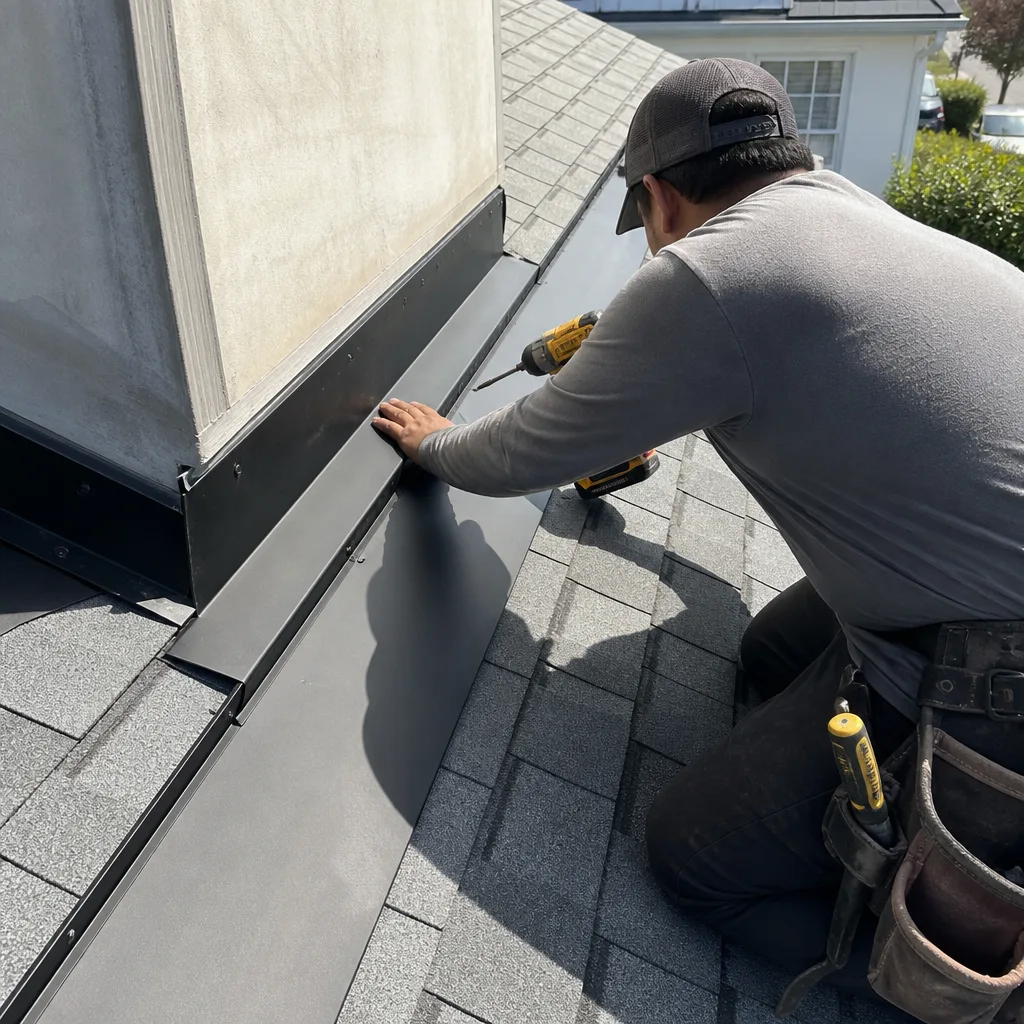
- Flashing at penetrations: every pipe boot, chimney, skylight, and vent gets a close look. The inspector checks that the flashing is the correct material, properly integrated with the underlayment, and sealed. This is where most unpermitted work shows its flaws, because flashing mistakes are hidden once the shingles go on.
- Drip edge installation: drip edge is the metal strip at the eaves that directs water away from the fascia and into the gutter. The code requires it in most Orange County cities, but some still allow the underlayment to extend over the edge as an alternative. Your city inspector will check against their local amendment.
- Fire-rating compliance: California’s Wildland-Urban Interface (WUI) code applies to many neighborhoods in eastern Orange County and parts of the foothills. If your home is in a WUI zone, the roof covering itself must have a Class A fire rating. The inspector verifies the product label and the installation method.
- Ventilation: attic ventilation requirements are part of the energy code. The inspector checks that intake and exhaust vents are present and correctly sized. A roof replacement can alter ventilation if the crew changes the ridge vent or closes off existing soffit vents.
If the roof fails inspection, the contractor has to correct the issue and schedule a re-inspection. That re-inspection usually has a fee, and the job is not considered complete until the inspector signs the final card. A contractor who says “we’ll take care of the inspection later” is asking you to pay in full without a passed inspection. Do not do that.
For a deeper look at what gets checked on existing roofs and how it differs from a city inspection, see our Roof Inspection in Orange County page.
Title 24 Energy Compliance and Cool Roofs
Most Orange County homeowners find out about Title 24 the day their roofer says, “You’re going to need cool-roof shingles on this house.” Title 24 is California’s energy efficiency code, and it is enforced through the same permit and inspection process as the structural code. For roofing, the part that matters is cool-roof reflectance.
California’s climate zones are divided by county and microclimate. Most of coastal Orange County falls into climate zone 6 or 7, while inland areas fall into climate zone 9 or 10. In the warmer zones, Title 24 requires that any new roof covering meet minimum solar reflectance and thermal emittance values. In practical terms, that means the shingles or tile you choose has to be rated as a cool-roof product. CertainTeed, Owens Corning, IKO, and Atlas all manufacture cool-roof rated lines in a range of colors, including darker tones that look traditional but still reflect more solar energy than their non-rated equivalents.
This is not optional. If your house is in a Title 24 cool-roof zone and you install non-compliant shingles, the inspector will fail the job, and you will be pulling up a brand-new roof or negotiating a compliance variance that rarely gets granted. We have seen homeowners buy pallets of discounted architectural shingles from a liquidator, only to learn at inspection that the product does not meet the reflectance minimum for their climate zone. The heat gain difference is measurable, and the code treats energy compliance as a health and safety issue, not a suggestion.
The Title 24 requirements for a permitted reroof in Orange County typically include:
- Cool-roof rated product in climate zones 10, 12, 13, 14, and 15. Most of the county’s inland cities fall into these zones.
- Radiant barrier or insulation upgrade in some cities that have adopted stricter local energy ordinances. This is more common on homes being reroofed after a major renovation.
- Attic ventilation verification as part of the energy inspection. The roof and the attic work together as a system, and the energy code treats them that way.
Your roofing contractor should be able to pull your specific property’s climate zone and tell you exactly which products comply before you sign anything. If they give you a blank look when you ask about Title 24, they have not pulled a permit in California recently.
Why Your Contractor Must Pull the Permit
California law places the permit responsibility on the licensed contractor, not the homeowner. When a contractor performs work that requires a permit, the contractor is required to obtain that permit in their name or in the name of their business. If a contractor suggests that you, the homeowner, pull the permit yourself, there is a reason, and the reason is not convenience for you.
When a homeowner pulls a permit for a contractor, the homeowner becomes the responsible party on record. If the work fails inspection, the homeowner is the one who has to resolve it with the building department. If an unlicensed worker is injured on the job, the permit is in the homeowner’s name, which can affect liability. And if the roofer walks off the job midway, the homeowner has an open permit and no contractor to finish the work or answer to the city.
Any legitimate Orange County roofing contractor will pull the permit as a matter of course. The permit fee gets passed through on the estimate as a line item. The contractor’s name goes on the permit application as the responsible licensed party. The inspection is scheduled by the contractor or their office, and the final inspection card is delivered to the homeowner when the job passes. That is the standard sequence. Anything that deviates from it should make you ask hard questions.
Our approach at Brennan Roofing Co Orange County home is the same on every job: the permit is pulled by us, the permit number goes on your written estimate, and the final inspection is scheduled before we ever ask for the final payment. That is the Garrison Standard, and it is written into every estimate.
The Legal and Financial Liability of Unpermitted Roofs
The moment you sell a house, the unpermitted roof becomes a problem that is too late to fix quietly. California’s real estate disclosure laws require sellers to disclose known unpermitted work. Many sellers genuinely do not know their roof was unpermitted until the buyer’s home inspector compares the permit history against the visible work and comes up empty.
Here is the sequence we see repeatedly in Orange County real estate transactions:
- The buyer’s inspector flags it. Modern home inspections include a permit record review. If a roof is visibly newer than the permitted construction date and there is no permit on file, the inspector notes it.
- The lender hesitates. Many lenders will not fund a loan on a property with unpermitted work that affects structural systems. The roof is structural. If the lender doesn’t kill the deal outright, they may require the permit issue be resolved before closing.
- The seller pulls a retroactive permit. This means paying fees, exposing the work by opening up sections of the roof, making corrections if the inspector finds anything, and passing a final inspection. All of this happens under a closing deadline.
- The cost lands on the seller. Not the contractor who did the unpermitted work years ago. That contractor is usually gone, or their license is inactive, or they deny having done the job. The seller eats the retroactive permit costs and any corrections, and sometimes has to lower the sale price to keep the deal alive.
We have walked buyers and sellers through this exact scenario too many times. In one case, a Mission Viejo homeowner had to open up two sections of a seven-year-old roof because the city required visual inspection of the underlayment and fastener pattern before issuing a retroactive permit. The shingles were fine, but the inspection process meant cutting into a functioning roof and repairing it again. The cost was roughly double what the original permit would have cost in the first place.
If you currently own a home and are not sure whether your roof has a permit on file, you can check with your city’s building department. Most Orange County cities have an online permit portal where you can search by address for free. That search takes ten minutes and tells you exactly where you stand.
Step by Step: How a Permitted Roof Replacement Works
Here is the full sequence from signed contract to final inspection, the way it should go on a properly permitted Orange County roof replacement:
- Estimate and material selection. Your contractor walks the roof, documents existing conditions, and gives you a written estimate with the permit fee, material costs, installation labor, flashing, and cleanup all itemized. Every job we write begins with that price on paper, before any work starts.
- Permit application submitted. The contractor submits the permit application to your city’s building department, including product specifications, roof slope, and project scope. The city reviews the submittal, which can take anywhere from same-day to two weeks depending on the jurisdiction and workload.
- Permit issued. The city stamps the permit and the contractor receives a permit number. That number goes on the posted permit card at the job site. If your contractor cannot show you a permit number before the tear-off begins, stop the job.
- Tear-off and deck inspection. The old roof comes off. In many Orange County cities, the city requires an inspection at this point, before the new underlayment goes on. This lets the inspector check the structural decking, catch any rot or broken rafters, and approve the substrate before it gets covered.
- Underlayment, flashing, and installation. The crew installs the underlayment, new flashing at all penetrations and edges, drip edge, and the new roof covering. Fastener patterns must match manufacturer specs and the city’s high-wind amendments where they apply.
- Final inspection. The city inspector walks the finished roof and checks everything on the list: underlayment exposure at edges, fastener pattern where visible, flashing integration, ventilation, and Title 24 cool-roof compliance if applicable. If everything passes, the inspector signs the final card.
- Final payment and warranty. Only after the final inspection passes should the contractor collect the final payment. The city then closes the permit, and the record is on file for the life of the home. That closed permit is what protects you at resale.
That sequence is the same whether the material is an Owens Corning architectural shingle in Fullerton, an IKO cool-roof rated shingle in Irvine, or a certain slate-look shingle in San Clemente. The permit path does not change with the price of the material.
What Permits and Inspections Cost in Orange County
Roofing permit fees in Orange County range roughly from $150 to $600 for a standard residential replacement, depending on the city and the valuation of the job. Some cities base the fee on a flat rate for reroofing, and others calculate it as a percentage of the project value. Re-inspection fees typically run $80 to $150 per visit if the roof fails and needs a second look.
Here is a realistic breakdown of the permit and inspection costs on a typical Orange County roof replacement:
- Building permit fee: $150 to $600, set by the city based on project valuation or a flat reroof rate.
- Plan check or submittal review fee: $50 to $200, depending on whether your city requires a separate review for Title 24 or WUI compliance.
- Inspection fees: usually included in the permit fee for the first round. Re-inspections run $80 to $150 each.
- HOA architectural review (if applicable): $25 to $250, paid directly to your HOA management company.
- Title 24 compliance documentation: $50 to $150 in some cities where a third-party cool-roof certification is required. Many manufacturer lines include this documentation at no extra charge.
A $400 permit on a $15,000 roof is about 2.7% of the job. The same retroactive permit after a failed sale, with corrections and opening up the roof, can run $2,000 to $5,000 or more. The cheap path is the one you take before the work starts.
If you have a roof that needs repair and are unsure whether it crosses the permit threshold, our Roof Repair in Orange County page covers the repair vs. replacement decision and where local codes draw the line.
Common Mistakes to Avoid
- Believing “it’s just a reroof, no permit needed.” A full replacement always requires a permit in California. No exception. The contractor who says otherwise is cutting the paperwork to lower their price, and you carry the liability.
- Pulling the homeowner’s permit yourself. When the permit is in your name, so is the liability. The licensed contractor is legally responsible for pulling their own permit. If they ask you to do it, find another contractor.
- Paying in full before the final inspection passes. Once you pay, your leverage disappears. The final payment should be withheld until the city signs the final inspection card. Any contractor who pushes for full payment before then is telling you something.
- Ignoring HOA requirements. A city permit does not override HOA covenants. Get the architectural approval before you order materials, or you risk paying for shingles you cannot install.
- Choosing non-compliant materials for your climate zone. Cool-roof requirements are code, not a suggestion. Verify Title 24 compliance for your specific climate zone before the job starts, or plan on a failed inspection.
- Skipping the deck inspection. If your city requires a tear-off inspection before the underlayment goes on, skipping it means the city will not close the permit. That open permit haunts the property until it is resolved.
- Hiring an unlicensed operator for a “cash deal.” Unlicensed contractors do not pull permits because they cannot. The discount evaporates the first time the roof leaks and there is no license, no bond, and no warranty to chase.
When to Call a Professional
If you are buying or selling a home in Orange County and the permit history does not match the visible roof condition, call a roofing professional before you sign anything. A licensed contractor can pull the permit history, assess the existing roof, and tell you whether you are looking at a retrofit permit, a repair, or a full replacement. The second scenario is a roof that needs a full replacement and you want it permitted correctly the first time, with a contractor who handles the permit, the inspection, and the closeout without you chasing paperwork. If you have a roof that was damaged in a storm and you are not sure whether the repair crosses the 10% threshold, that is another call worth making. Brennan Roofing Co Orange County offers free estimates across Orange County, and every estimate starts with a written price before any work begins. Call (559) 258-5703 to schedule your free estimate. Someone will answer, in person, around the clock.
Frequently Asked Questions
Yes. Any full roof replacement in California requires a building permit, regardless of material or roof size. The permit is pulled by the licensed contractor, and the job must pass a final city inspection before it is considered complete. Call (559) 258-5703 to have your specific project reviewed, and we will tell you exactly what your city requires.
Roofing permit fees in Orange County typically range from $150 to $600 for a standard residential replacement, depending on the city. Re-inspection fees run $80 to $150 if the roof does not pass on the first visit. Your contractor should itemize the exact permit fee on your written estimate before work starts. Call (559) 258-5703 for a free estimate with the permit cost broken out line by line.
You can legally pull a permit as a homeowner, but doing so makes you the responsible party on record for the work. If an unlicensed worker gets hurt or the job fails inspection, the liability sits with you. A licensed contractor is required by California law to pull their own permit. If your contractor asks you to pull it, treat that as a red flag and call (559) 258-5703 for a second opinion.
The city inspector checks underlayment type and overlap, fastener pattern and penetration, flashing at all penetrations, drip edge installation, fire-rating compliance in WUI zones, and attic ventilation. If any of those items fail, the contractor must correct the issue and schedule a re-inspection before the permit closes.
California requires a permit for roof repairs that exceed 10% of the total roof area within a 12-month period, or any repair that involves replacing structural sheathing. A few missing shingles is maintenance. A repair that opens up decking or covers more than a tenth of the roof is permitted work. If you are not sure which side of the line your repair falls on, call (559) 258-5703 and we will tell you straight.
The buyer’s inspector will flag the missing permit, the lender may refuse to fund, and you could be required to pull a retroactive permit, open up the roof for inspection, and pay for corrections before closing. That cost usually lands on the seller, not the contractor who skipped the permit years earlier. The time to verify your roof’s permit status is before you list the home, not after an inspector finds it.
The Bottom Line
California’s roofing permit system is not a bureaucratic hurdle to dodge. It is the mechanism that forces a contractor to meet code, pass an inspection, and leave a paper trail that protects you when you sell. A full replacement always needs a permit. Repairs over 10% of the roof area need one. The contractor pulls it, the city inspects it, and the closed permit stays on file for the life of the home. If you live in Orange County, your city and HOA add layers on top of the state baseline, and a good contractor knows those layers before they write the estimate. The test is simple: get the price in writing, get the permit number in writing, and do not pay the final bill until the final inspection passes. That is how a roof gets done right, and how you avoid paying for it twice. For more guides & resources, visit our blog.
Written by Travis Oakley, Owner at Brennan Roofing Co Orange County, serving Orange County since 2000.
See the difference
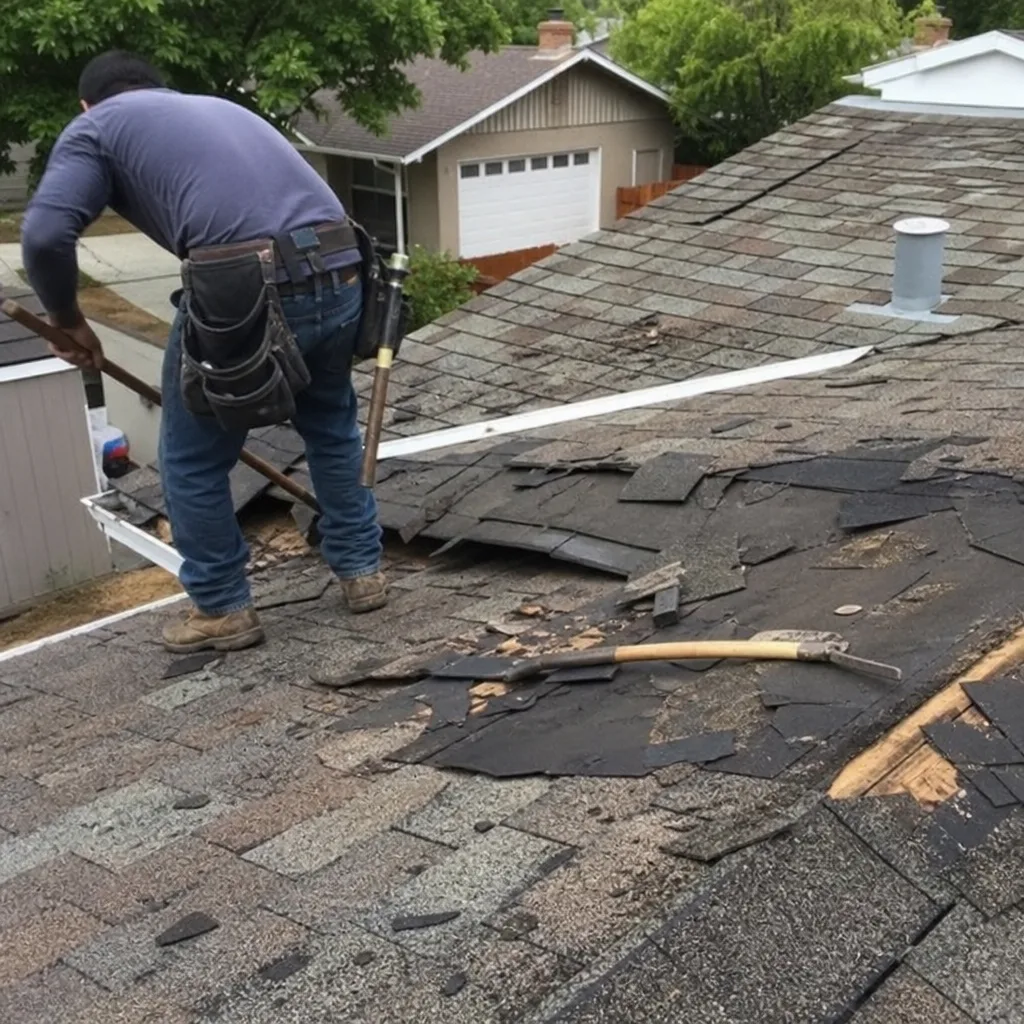 Before
 After
After Before
 After
After Before
 After
After