
Last updated October 17, 2026
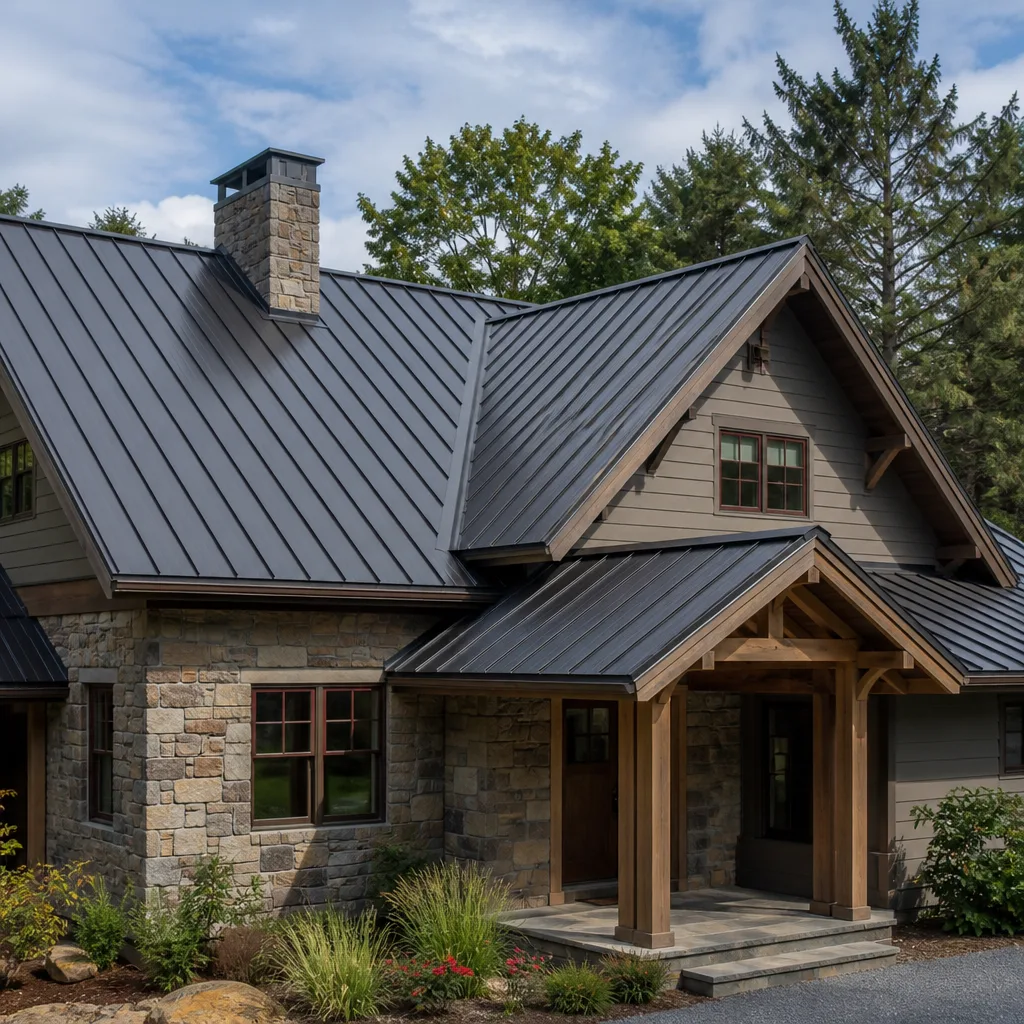 Metal roofing
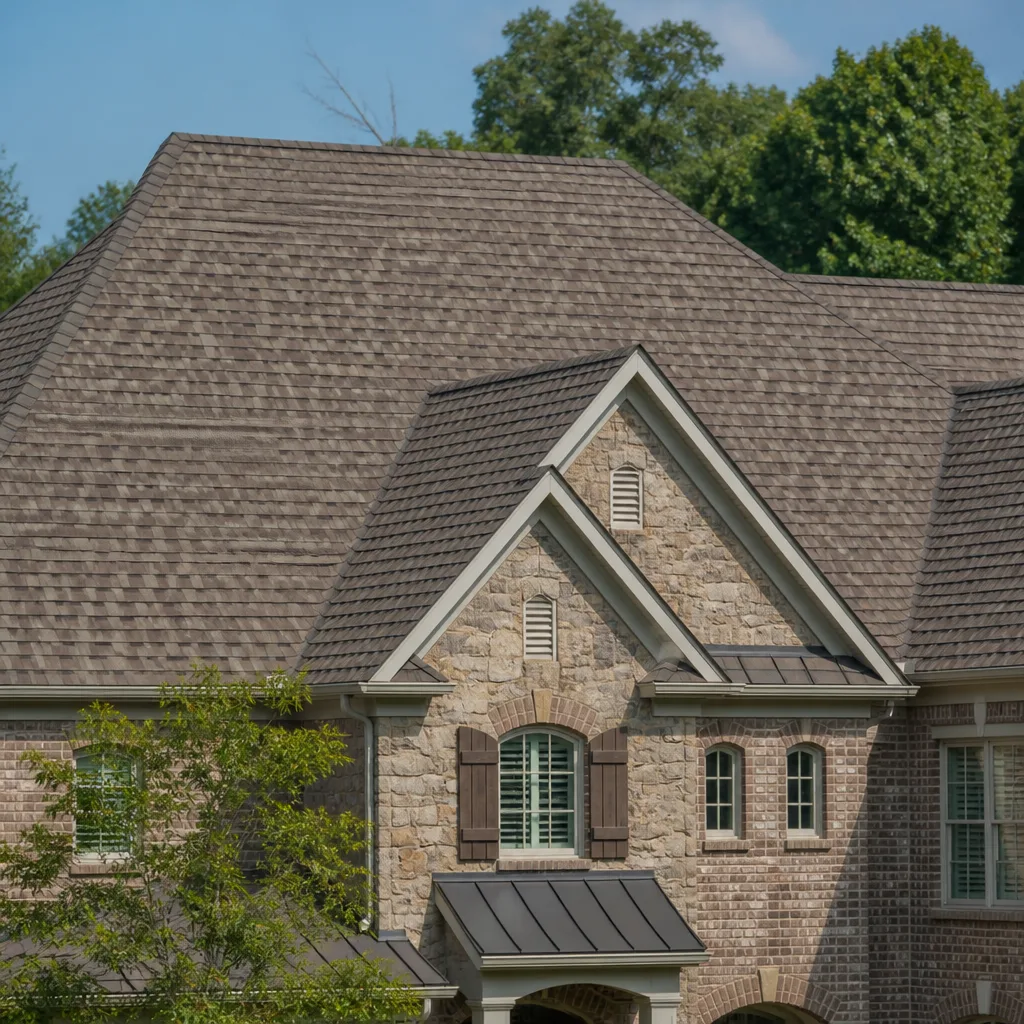 Architectural shingles
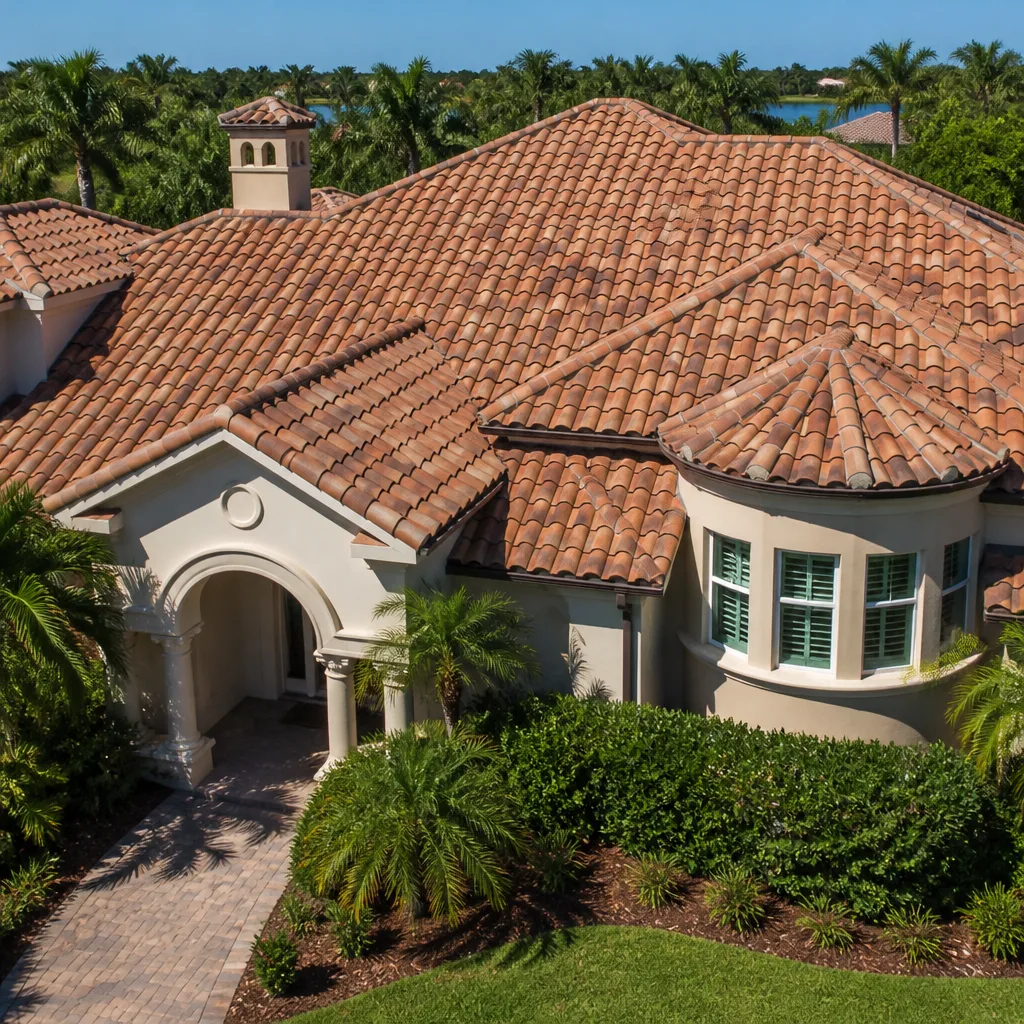 Tile roofing
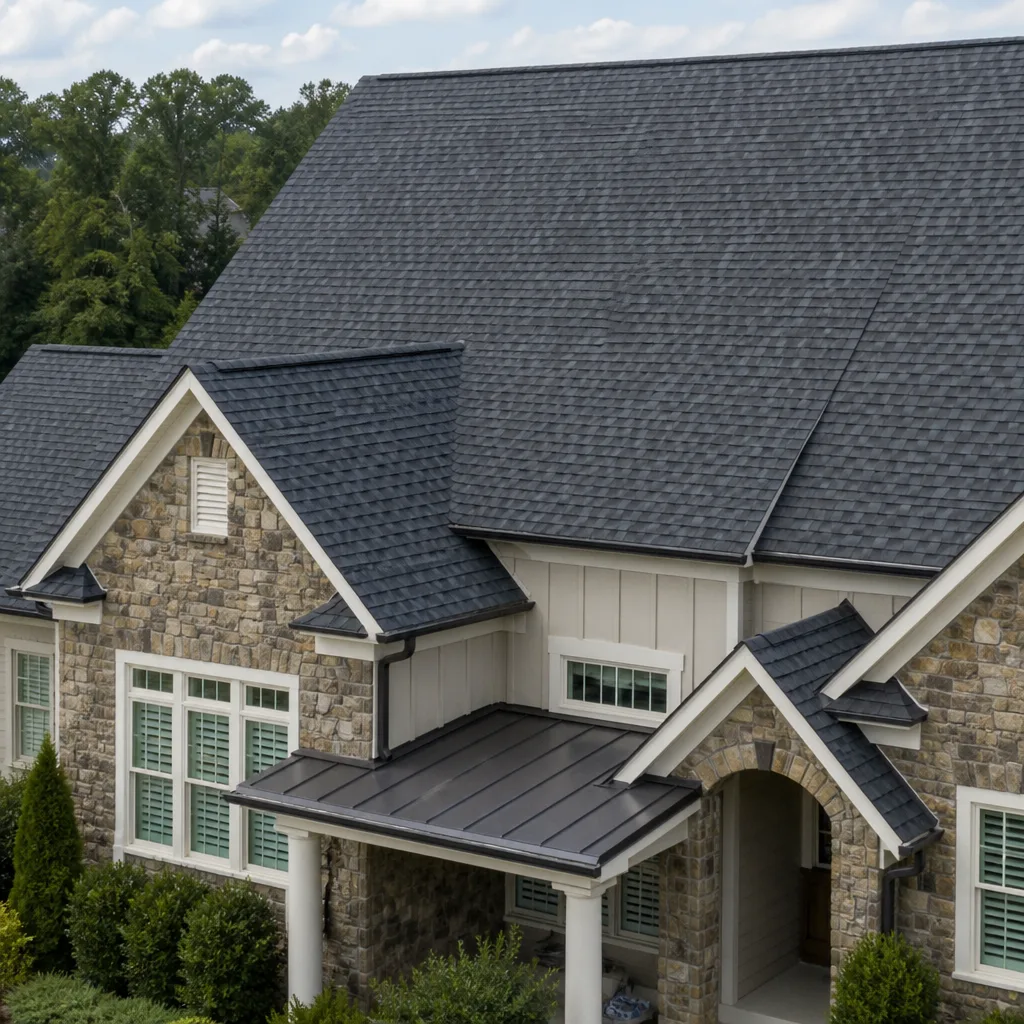 GAF
GAF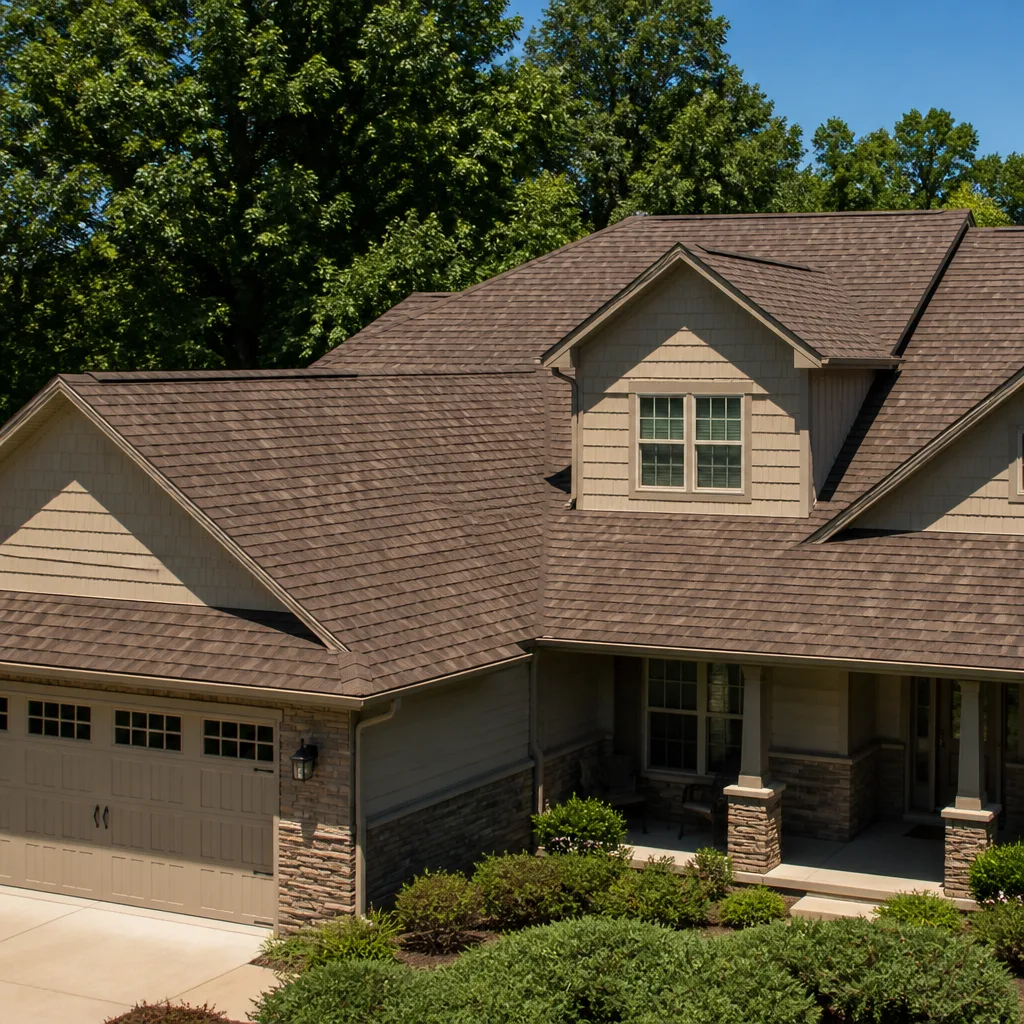 Owens Corning
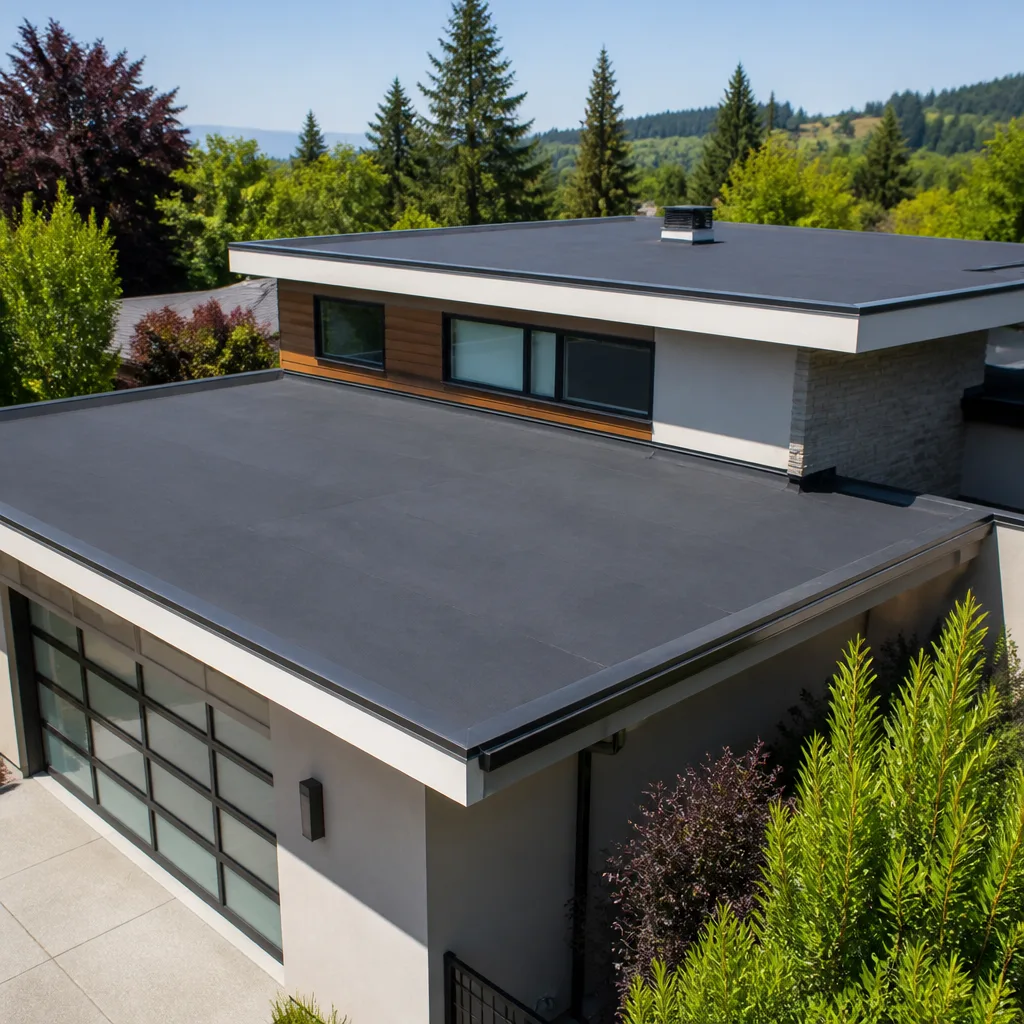 Flat & low-slope
Free roof inspection with deck photos before we talk money - GAF and Owens Corning certified installation
The Complete Guide to Roofing in Orange County
Orange County isn’t one climate. It’s four. A home in San Clemente deals with marine layer and salt air nearly every morning. A home in Anaheim Hills sits in a fire-risk zone where summer temperatures regularly climb past 100°F. Those two addresses are twelve miles apart, and the roofing material that’s a smart choice at the first one can be the wrong call at the second. Most roofing guides don’t tell you that; for more guides & resources that go deeper, see our blog. They give you generic advice that assumes every roof faces the same conditions. This guide is different. We’re going to walk through how Orange County’s micro-climates, material performance data, and contractor accountability work together as one connected system. Understand that system, and you’ll make a better decision on every roofing choice you face, whether you’re repairing, replacing, or just trying to figure out what you actually need.
Quick Answer
The best roofing system for your Orange County home depends on exactly where you live. Coastal areas like Newport Beach and San Clemente need materials that resist salt corrosion and persistent moisture. Inland valley homes in Irvine and Santa Ana are best served by materials that handle prolonged sun exposure and heat. Foothill homes in Anaheim Hills, Yorba Linda, and Trabuco Canyon need fire-resistant materials and ember-proof ventilation. Roofing costs in Orange County for 2026 typically run between $8,000 and $22,000 for a full replacement, depending on material, home size, roof pitch, and the condition of the underlying decking.
Styles & brands we work with
Table of Contents
- Orange County’s Four Micro-Climates and What They Mean for Your Roof
- Roofing Materials: Performance Data by Climate Zone
- Why Installation Quality Matters More Than Material Choice
- Orange County Permits, Codes, and Inspection Requirements
- 2026 Roofing Costs in Orange County: Real Numbers by Material
- What Contractor Accountability Looks Like in Writing
- Signs Your Roof Needs Repair or Replacement
- The Roof Replacement Process: Step by Step
Orange County’s Four Micro-Climates and What They Mean for Your Roof
If you’ve lived in Orange County for more than a few years, you already know the weather changes noticeably depending on where you are. What you might not know is that those differences create four distinct failure patterns in roofing, and each one calls for different material priorities.
Coastal Zone: San Clemente, Dana Point, Newport Beach, Laguna Beach, Huntington Beach
The coastal zone is defined by marine layer, persistent humidity, and salt air. Salt is the enemy here. It accelerates corrosion on metal flashing, fasteners, and any exposed hardware. Marine layer means surfaces stay damp for hours every morning, which encourages algae and moss growth on shingles that don’t have adequate protection. We’ve seen roofs in San Clemente that looked fine from the street but had rusted flashing at every penetration because the original installer used standard galvanized fasteners instead of stainless or copper. The fix was a full tear-off, not a patch job.
For coastal homes, the priority is corrosion resistance. Stainless steel fasteners, copper or lead flashing, and algae-resistant shingles from manufacturers like CertainTeed or Owens Corning are the sensible choices. Clay tile and slate also perform well in salt air, though they carry a higher upfront cost and require a heavier roof structure. If you’re in a coastal zone, your underlayment choice matters as much as your top material. Synthetic underlayment or a double layer of high-grade felt gives you a second line of defense against the moisture that sneaks under tiles or shingles over time.
Inland Valley: Irvine, Santa Ana, Tustin, Orange, Fullerton, Garden Grove
The inland valley gets the full force of Southern California sun with less of the coastal cooling effect. Summer temperatures routinely sit in the 90s, and UV exposure is intense. The primary failure mode here is thermal stress. Shingles expand in the heat and contract at night. Over years, that repeated cycle breaks down the asphalt compounds that hold shingles together. You see granule loss, curling, and cracking. Dark shingles absorb more heat, which is why lighter colors and reflective surfaces are common choices in these areas.
For inland valley homes, look for shingles with high reflectivity ratings and strong wind resistance. Owens Corning’s Duration series and GAF’s Timberline HDZ line both offer good balance for this zone. Clay and concrete tile also perform well here, though their weight requires structural verification. The real issue in the valley isn’t usually the material itself. It’s attic ventilation. In Irvine and Santa Ana, we frequently find attics that hit 140°F or higher in summer because the original venting was undersized. That heat radiates down through the ceiling and bakes the roofing material from underneath, cutting years off its life. A properly vented attic can extend shingle life by a noticeable margin, and it’s one of the least expensive upgrades you can make to your roof system.
Foothill and Fire-Risk Zone: Anaheim Hills, Yorba Linda, Orange Park Acres, Trabuco Canyon, Silverado
Foothill homes face two problems at once: steep slopes that complicate installation and fire risk that demands specific material choices. California’s Chapter 7A building code applies to most new construction and major re-roofs in designated fire hazard zones, and many Orange County foothill neighborhoods fall within those boundaries. That means your roofing material needs a Class A fire rating, and your vents need ember-resistant screens with mesh openings no larger than 1/8 inch.
Clay tile, concrete tile, and standing seam metal all carry Class A fire ratings and are common in foothill communities. If you prefer the look of composition shingles, look for Class A rated lines like CertainTeed’s Presidential Shake or GAF’s Timberline lines, though some jurisdictions require higher-rated materials regardless. The underlayment matters here too. In a fire, embers can land on the roof and burn through exposed areas, so a fire-resistant underlayment is part of the system, not an optional add-on. If you’re unsure whether your home falls within a designated fire hazard zone, the California Department of Forestry and Fire Protection maintains maps that any contractor should be able to reference. A reputable roofer will check this before quoting, because the material requirements affect both legality and safety.
Urban Corridor: Santa Ana, Anaheim, Westminster, Garden Grove, Buena Park
Urban corridor homes tend to be older, which means two things: the roof structure may predate current code requirements, and the home may have seen several re-roofs already. In these neighborhoods we see a lot of composition shingle roofs that were installed over existing layers. California building code allows one re-roof over an existing shingle layer in most cases, but a second overlay is almost never permitted. If your home has three layers of shingles, that’s a tear-off job, and it means the contractor needs to inspect the decking underneath.
Urban homes also tend to have more roof penetrations: plumbing vents, HVAC penetrations, skylights, and exhaust fans all create points where water can get in. The failure mode in this zone is flashing failure. The roof itself might have years of life left, but the flashing around penetrations has failed, and that’s where leaks start. Our roof repair team in Orange County spends a significant portion of calls in Santa Ana and Anaheim addressing flashing failures, and in many cases the repair is straightforward when it’s caught early. The lesson for urban homeowners: inspect your penetrations every year, especially after heavy winter rains.
Roofing Materials: Performance Data by Climate Zone
Here’s where the “roofing is all the same” myth falls apart. Each material has measurable performance characteristics, and those characteristics interact with Orange County’s climate zones in predictable ways. This section gives you the straight data, organized so you can match material to location.
Asphalt Composition Shingles
Composition shingles remain the most common roofing material in Orange County, and for good reason: they’re affordable, they install quickly, and modern lines from GAF and CertainTeed carry 30-year to lifetime limited warranties. Asphalt shingles work reasonably well in all four climate zones if you choose the right line. For coastal homes, choose algae-resistant shingles. For inland and foothill homes, choose a shingle with a high wind rating (110 mph or better) and consider a lighter color to reduce heat absorption.
Expected lifespan in Orange County: 20 to 30 years with proper installation, less if ventilation is inadequate. The dominant failure mode in our market is granule loss and curling from thermal cycling, which is most pronounced in inland valley zones.
Concrete and Clay Tile
Tile roofs are common in Orange County’s older neighborhoods and foothill communities, and they perform well in fire zones. Concrete tile carries a Class A rating by default. Clay tile is also Class A. Both materials handle UV exposure well and can last 50 years or more in our climate if the underlayment holds up. The weak point of tile is the underlayment, not the tile itself. Tile roof underlayment typically needs replacement every 20 to 30 years, which means a tile roof may need a “re-lay” (remove tile, replace underlayment, reinstall tile) before the tile itself wears out. In coastal zones, the underlayment is also vulnerable to salt-driven moisture, so coastal tile roof owners should plan for underlayment replacement on the earlier end of that range.
Standing Seam Metal
Metal roofing carries a higher upfront cost but delivers the longest service life of any common material: 40 to 60 years for standing seam, often with lower maintenance along the way. Metal is Class A fire rated, it sheds water efficiently, and it reflects solar heat well. It’s an excellent choice for foothill fire zones and can handle coastal conditions if the metal is properly specified. The catch: metal is sensitive to installation errors. Fastener placement, seam tightness, and panel alignment all require precision, and a sloppy install will leak and look bad. When we recommend metal, we recommend verifying that the contractor has specific standing seam experience, not just general roofing experience-see our How to Hire a Roofing Contractor in Orange County: A Step-by-Step Guide for what to ask.
Manufacturer Lines We Recommend and Why
Brennan Roofing Co Orange County installs materials from manufacturer lines including GAF, CertainTeed, Owens Corning, and others. The difference between these lines isn’t marketing fluff. GAF’s Timberline HDZ line is known for strong wind ratings and a wide range of color options. CertainTeed’s Landmark series offers deep granule embedment, which helps with UV resistance in our inland valley heat. Owens Corning’s Duration line uses a patented SureNail strip that gives installers a positive nailing target, which reduces one common source of installation error. Boral offers high-quality concrete tile lines that perform well in fire zones. None of these manufacturer names are a substitute for good installation, but selecting a quality line from a reputable manufacturer means you’re starting from a solid baseline.
Why Installation Quality Matters More Than Material Choice
Here’s a number that should change how you think about roofing: the same shingle installed correctly can last 30 years. Installed incorrectly, that same shingle might fail in 10. The material didn’t change. The installation did. Manufacturer warranty void conditions are the proof point. GAF, CertainTeed, Owens Corning, and every other major manufacturer publish installation specifications, and failing to meet them voids the warranty. Not reduces it. Voids it, as in the manufacturer has no obligation if the installer nailed in the wrong place, used the wrong fastener, or skipped the required underlayment.
What does correct installation look like in practice? It starts with the decking. If the plywood or OSB decking is rotted or delaminating, new shingles won’t hold properly and the roof’s structural integrity is compromised. A proper installation includes decking inspection and replacement of damaged sections. Next comes the underlayment, which is your waterproofing layer. In Orange County, we use synthetic underlayment as standard because it resists moisture better than traditional felt and holds up better during the tear-off and installation phase. Then comes the drip edge, the metal flashing at the eaves and rakes that directs water into the gutters instead of behind them. Skipping drip edge is a classic shortcut on low bids. Then the shingles themselves, nailed in the pattern specified by the manufacturer, with the correct number of fasteners per shingle. Then flashing at every penetration: chimney, vent, valley, skylight, sidewall. Every one is a potential leak point if done wrong.
We’ve repaired roofs in Orange County where the original installer used half the required nails per shingle. We’ve seen valley flashing done in a way that created a water dam instead of a water channel. We’ve seen underlayment that was never installed at all. All of those roofs looked fine on install day. All of them leaked within a few years. The homeowner paid good money for a roof that was doomed from the start, and in most cases the original contractor was long gone. This is why we put installation quality at the center of our work and why the 365-Day Done Right Promise exists: we put it in writing that if the installation isn’t done right, we come back and make it right at no charge for a full year after completion.
Orange County Permits, Codes, and Inspection Requirements
Roofing in Orange County requires permits, and the process varies by city. This catches some homeowners off guard, especially those who assumed a re-roof is a simple swap that doesn’t touch the building code. Here’s what you need to know before you schedule anything.
In the City of Anaheim, re-roofing projects require a permit through the Building Division, and the city requires an inspection after the underlayment is installed and before the final material goes on. That mid-project inspection means the job can’t be done in a single pass; the timeline has to accommodate the inspector’s schedule. In Irvine, the city requires permits for re-roofs and enforces Title 24 cool roof requirements for certain new construction and major re-roofs, which affects your material choices. In San Clemente, coastal considerations come into play, and the city has specific requirements around roof material weight and wind resistance in coastal exposure zones.
Unincorporated Orange County areas follow County of Orange building department requirements, which differ from incorporated city rules. The point isn’t that you need to memorize every city’s code; it’s that your contractor needs to know it and handle it. A contractor who doesn’t pull permits is offering you a lower price by cutting out a required step, and if the work is done without permits, it can complicate a future home sale and may not meet code. Permits also create an independent inspection point: the city inspector checks the contractor’s work, which gives you a second set of eyes at no additional cost beyond the permit fee.
Brennan Roofing pulls permits and schedules inspections on every job that requires them. Our roofing company in Orange County handles the full permit process, so you’re not stuck chasing paperwork from the building department.
2026 Roofing Costs in Orange County: Real Numbers by Material
Here are the numbers most roofing guides won’t give you. These are installed cost ranges for a typical 2,000 square foot single-story home in Orange County as of 2026. They include materials, labor, tear-off of one existing layer, underlayment, flashing, and standard permits. They don’t include decking replacement, which is quoted separately if inspection reveals damage, or complicated roof geometries that add labor time.
- Asphalt composition shingles (architectural): $8,000 to $14,000 installed
- Asphalt composition shingles (designer/upgrade lines): $12,000 to $18,000 installed
- Concrete tile: $16,000 to $25,000 installed
- Clay tile: $20,000 to $30,000 installed
- Standing seam metal: $22,000 to $35,000 installed
- Roof repair (minor, flashing or small leak): $400 to $1,200
- Roof repair (moderate, multiple penetrations or modest sections): $1,200 to $3,500
- Roof inspection: $200 to $500, often credited toward work if you proceed
These ranges are broad on purpose. Two homes in the same neighborhood can have materially different costs depending on roof pitch, number of penetrations, accessibility, and decking condition. What these numbers let you do is self-screen bids. If you get a quote for a full architectural shingle re-roof on a 2,000 square foot home at $5,000, that’s below the cost of doing the job properly in this market, which means corners are being cut somewhere. If you get a quote at $20,000 for the same scope, that’s also a signal to ask hard questions. The right quote lands within the range and includes a written breakdown of what’s included.
Before any work starts, you should have the price on paper. Not a verbal estimate. A written line-item quote. That’s the standard at Brennan Roofing Co Orange County, and it’s the only way to compare bids honestly. A verbal estimate that shifts at the door is a warning sign you should not ignore.
What Contractor Accountability Looks Like in Writing
Water is coming through your ceiling. The contractor who did the work says he’ll “make it right.” But there’s nothing on paper, and his phone goes to voicemail. This is the scenario homeowners fear, and it happens in Orange County more often than it should. The defense is simple: accountability in writing, verified before you sign. If you’re weighing whether to tackle work yourself, read our DIY vs Professional Roofing: The Orange County Homeowner’s Decision Guide first.
A real contract contains specific elements. It names the exact work being performed, the materials being installed (including manufacturer and line, not just “shingles”), the start and completion dates, the total price, and the payment schedule. It states whether permits are included and who pulls them. It states what happens if the decking is found to be damaged: how that gets quoted, how it gets approved, and how much it costs per sheet. It includes the warranty terms for both the manufacturer’s material warranty and the contractor’s workmanship warranty. A contract that’s one page long and says “re-roof house” is not a contract; it’s an invitation to a dispute.
The written guarantee is the other piece. A workmanship guarantee should be in writing, it should state its duration, and it should state what happens if something fails. At Brennan Roofing, every job carries the 365-Day Done Right Promise: a written guarantee for one full year. If the repair or installation fails within that period, we come back and fix it at no charge. No argument, no re-quote, no “that’s not covered.” This is the Garrison Standard, and it’s the same on every job we do. If another contractor won’t put their guarantee in writing, that tells you everything you need to know about what happens if the work fails.
We also dispatch background-checked, uniformed technicians on every call. You know exactly who is on your property, and you know what company they represent. When we send someone to your home for a roof repair in Orange County, there’s no question about who showed up or whether they should be there.
Signs Your Roof Needs Repair or Replacement
Most roofing problems give you warning signs before they become ceiling-staining, drywall-ruining emergencies. Here’s what to look for, organized by where you’ll see it. For a proactive approach, follow our Roofing Company Maintenance Checklist for Orange County Homeowners.
Inside Your Home
- Water stains on ceilings or walls: This is the most obvious sign and the one homeowners tend to dismiss if the stain is small. A small stain often means a leak that’s been traveling for weeks, spreading across the attic before it finally shows through the drywall.
- Light visible through roof sheathing in the attic: If you can see daylight through the roof decking from inside the attic, water can also get in. This is a definitive sign your roof needs attention.
- Rusted or damp attic insulation: Moisture in the attic is a sign of either a roof leak or inadequate ventilation. Both need to be addressed.
Outside Your Home
- Missing, cracked, or curling shingles: Shingles protect the underlayment and decking. When shingles fail, the clock is running on the layers underneath.
- Granule accumulation in gutters: Asphalt shingles shed granules as they age. If your gutters are filling with granules, your shingles are losing their protective layer. Some granule loss is normal in the first few months after installation; ongoing loss in later years is a sign of heat damage or age.
- Sagging roof lines: A sagging roofline is a structural problem, not a cosmetic one. It can indicate decking failure or even framing issues, and it requires professional evaluation immediately.
- Damaged or missing flashing around chimneys, vents, and skylights: Flashing failures are the most common source of leaks on otherwise healthy roofs. If you see rusted, lifted, or missing flashing, call a professional before the next rain.
If you’re not sure whether what you’re seeing is a problem, a roof inspection in Orange County gives you a professional assessment with written documentation. We recommend an inspection before you list your home for sale, after any major storm event, and any time you notice one of the signs above.
The Roof Replacement Process: Step by Step
If you’ve never replaced a roof, here’s what to expect, in order, so nothing surprises you mid-project.
- Initial inspection and written quote: A technician inspects the roof, attic, and accessible decking, then provides a written line-item quote. The price is on paper before any work starts. No price shifts at the door.
- Permit pull and scheduling: We pull the required permits from the city or county, schedule the mid-project inspection if the jurisdiction requires one, and set the project dates.
- Tear-off and decking inspection: The old roofing material comes off. Once the decking is exposed, we inspect it for damage. If damaged sections need replacement, we document it, share photo evidence, and get your approval before proceeding. We don’t surprise you with a change order at the end; you know what’s happening at every stage.
- Underlayment and flashing installation: New underlayment goes on, followed by new flashing at every penetration and edge. If the city requires a mid-project inspection, it happens now, before the roofing material covers the underlayment.
- Final material installation: The shingles, tile, or metal panels go on according to manufacturer installation specifications. This is the part you’ll see from the street, but it’s only one component of the finished system.
- Final inspection and walkthrough: The city final inspection happens if required, then we do a complete walkthrough with the homeowner. We review what was done, what we found along the way, and what the warranty covers. You get the 365-Day Done Right Promise in writing.
- Cleanup: The job site is left clean, with nails magnet-swept and debris hauled away. A roofing job that leaves your yard full of nails is a roofing job that wasn’t finished.
Common Mistakes to Avoid
- Choosing the lowest bid without understanding what’s missing: In Orange County, the spread between the lowest and highest bids for the same roof can be $10,000 or more. The low bid is low because something is being cut. Find out what before you decide.
- Signing a contract that doesn’t include a written workmanship warranty: Manufacturer warranties cover the material if it fails. They don’t cover installation errors. If the contractor’s workmanship warranty isn’t in writing with a stated duration and a clear remedy, it doesn’t exist.
- Overlooking attic ventilation: Ventilation is the invisible component that determines how long your roof system actually lasts. In Orange County’s inland heat, poor ventilation shortens shingle life and drives up cooling costs.
- Thinking all shingles are the same: The difference between an entry-level shingle and a designer line is measurable in wind rating, granule depth, and expected lifespan. The material on your roof should match your home’s specific exposure, not just your budget.
- Waiting on a small leak: A small leak isn’t a small problem in hiding. It’s water entering your roof system at a rate that will cause decking rot and mold long before you see the full extent of it on your ceiling.
- Not checking permit requirements before signing: Some contractors in Orange County will quote without permits included, then add them later, or skip them entirely. Ask before you sign: “Are permits included, and who handles the inspections?”
See the difference
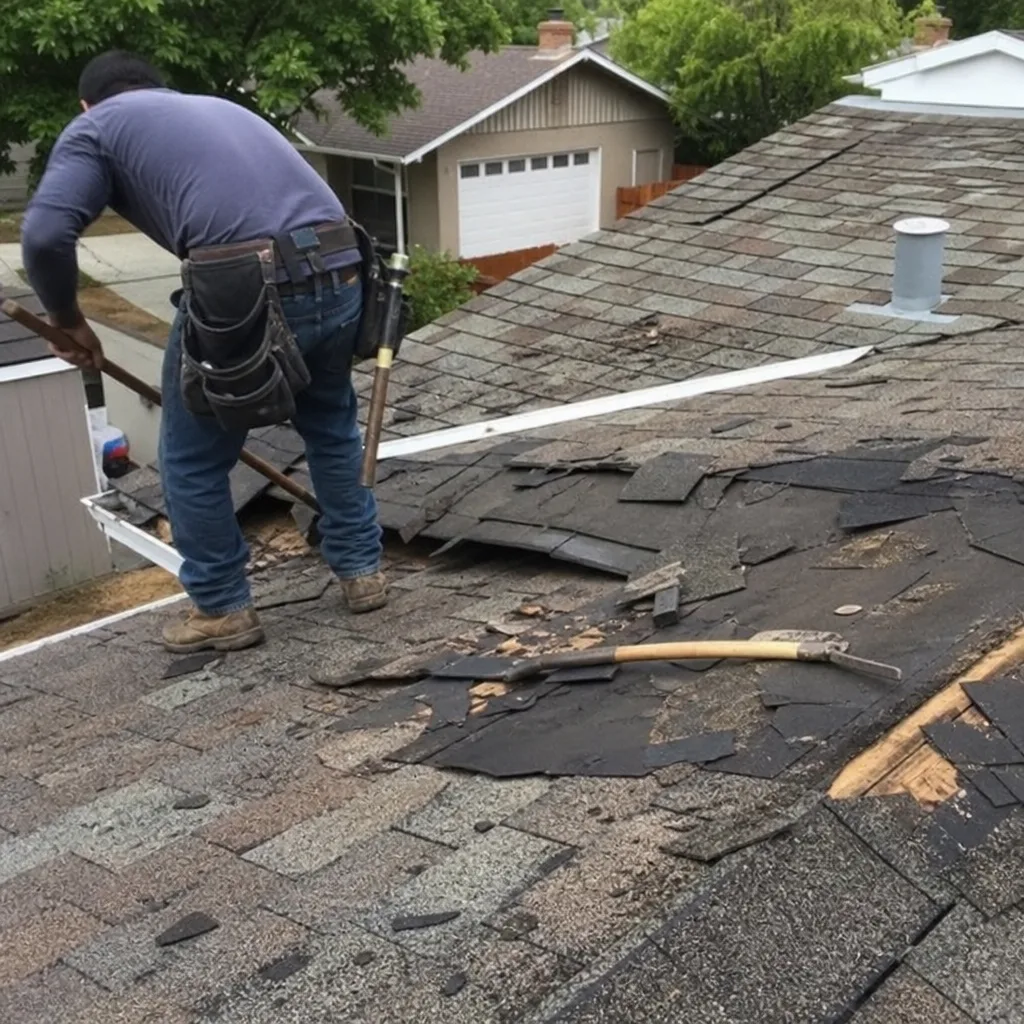 Before
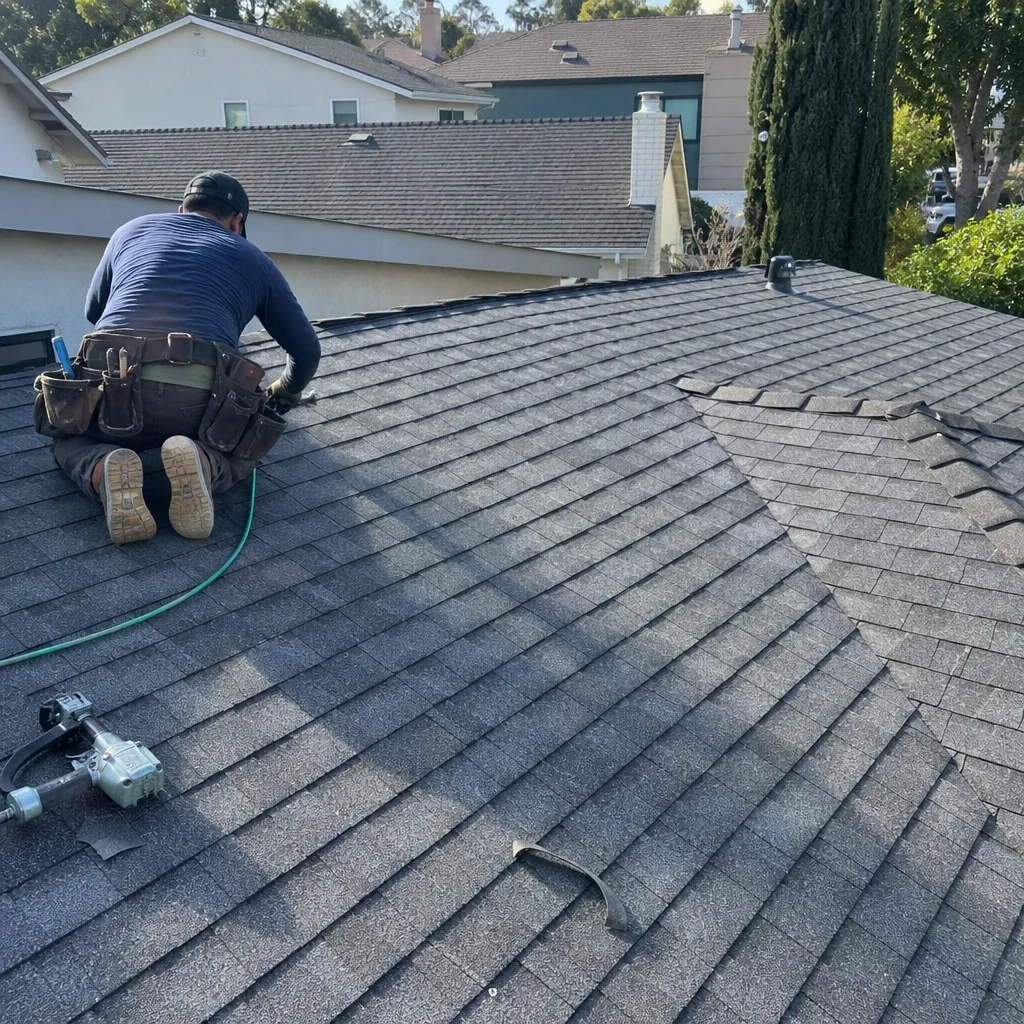 After
After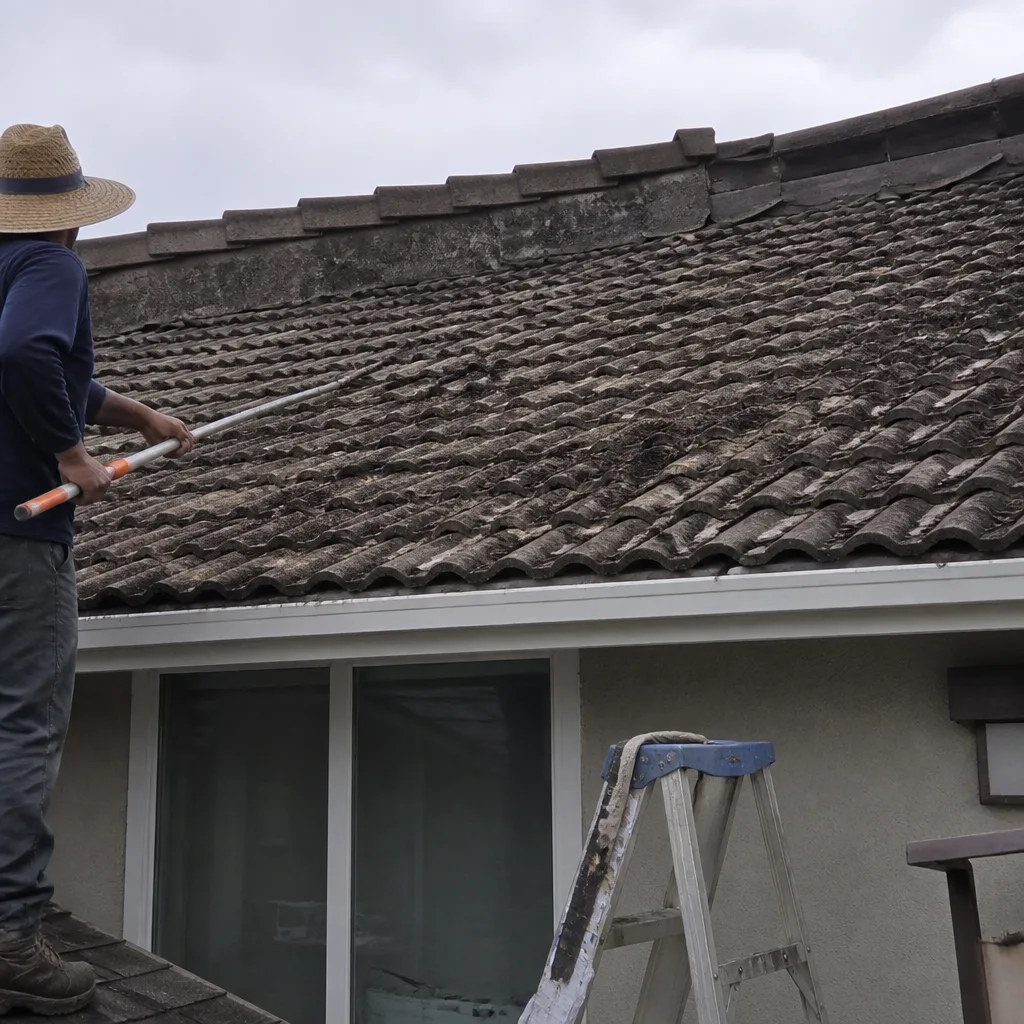 Before
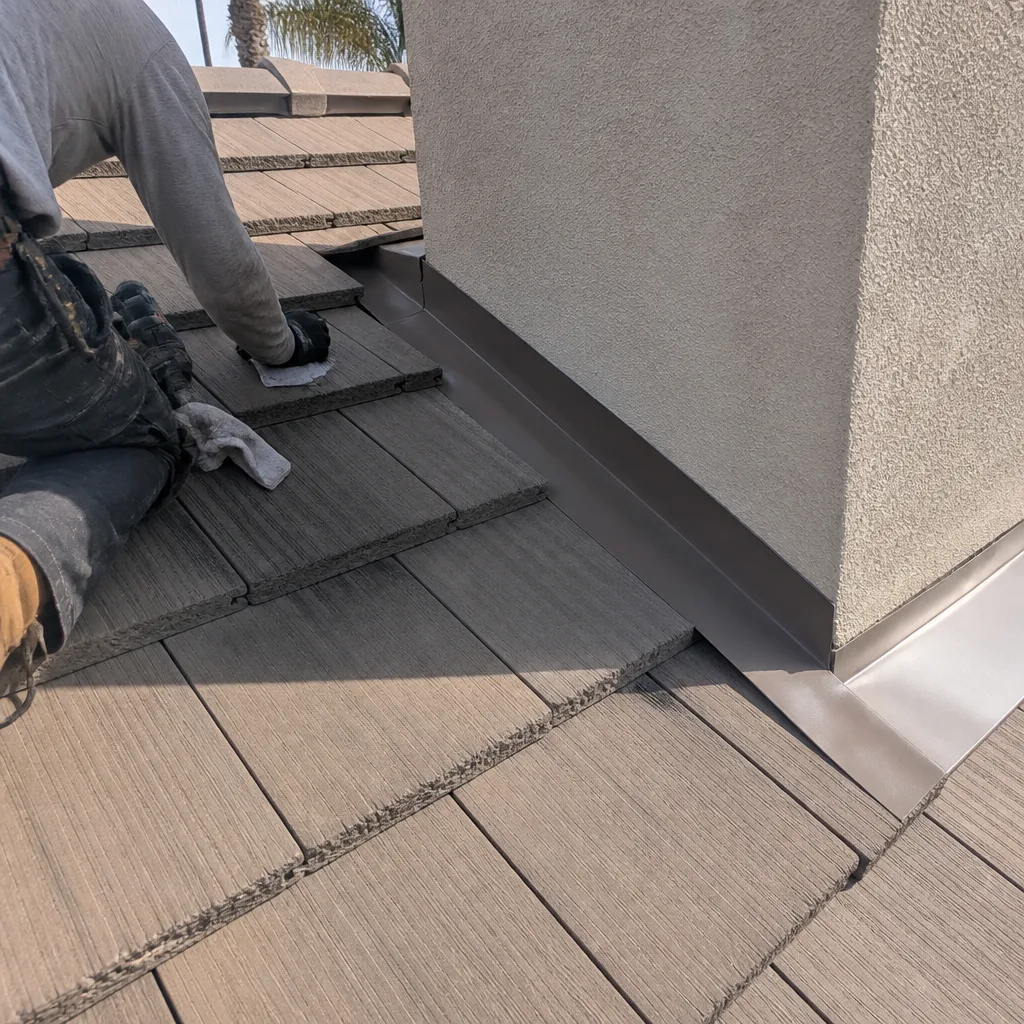 After
After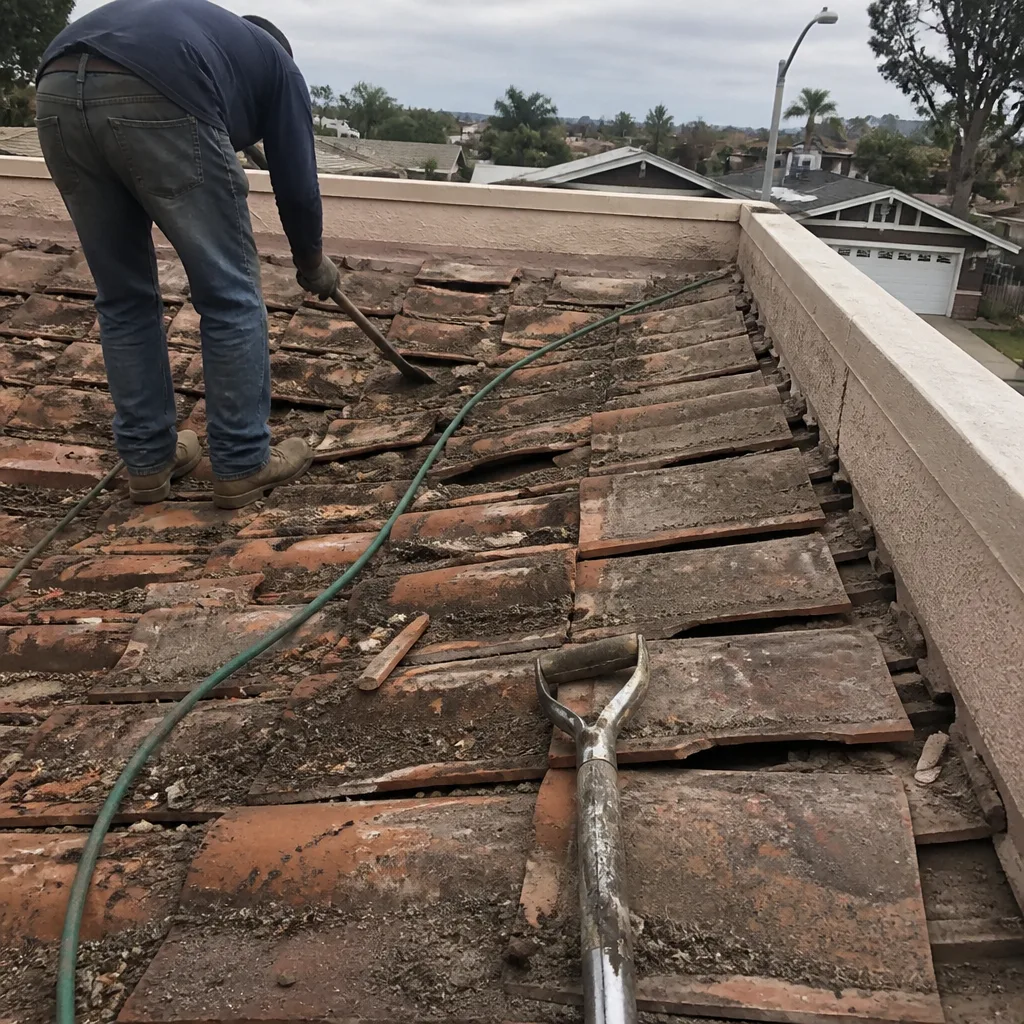 Before
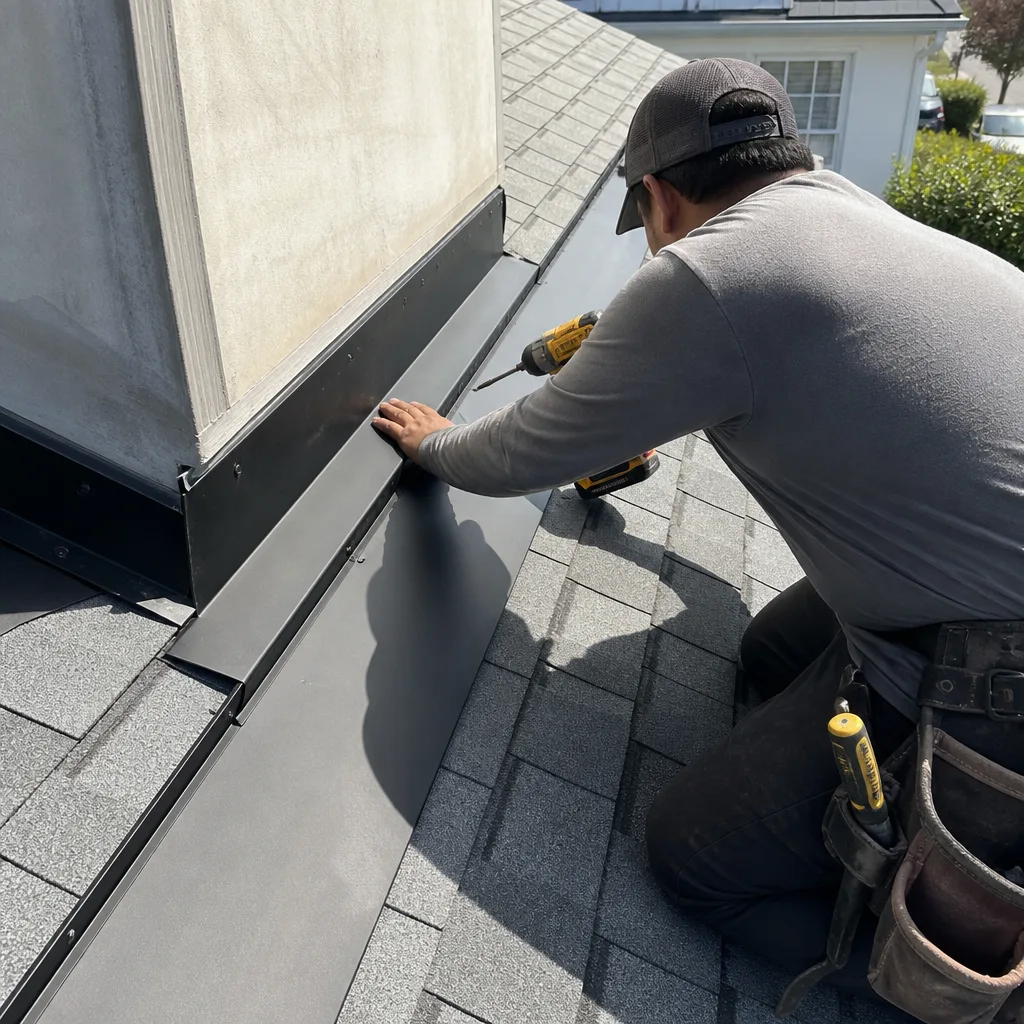 After
AfterWhen to Call a Professional
Some roofing issues are clear-cut: you see water coming through the ceiling, you’ve lost shingles in a wind event, or you see visible sagging. Call a professional immediately. Other situations are less obvious but no less urgent: granule accumulation in gutters, flashing that’s lifted or rusted, and any attic evidence of moisture. If you’re uncertain whether your roof needs attention, an inspection is the right move, not a wait-and-see. We’ve seen too many Orange County homes where a $600 flashing repair became a $12,000 decking replacement because the homeowner waited through two rainy seasons. Brennan Roofing Co Orange County offers free estimates in Orange County. Call (559) 258-5703 to schedule yours.
Frequently Asked Questions
A full roof replacement in Orange County for 2026 typically costs between $8,000 and $35,000 depending on material, home size, roof pitch, and the condition of the existing decking. Composition shingle roofs run $8,000 to $18,000 for a typical 2,000 square foot home, while tile and standing seam metal run $16,000 to $35,000 for the same footprint. The best way to get an exact number for your home is a written, line-item quote. Call (559) 258-5703 for a free estimate from Brennan Roofing Co Orange County.
A standard composition shingle roof replacement on a single-family home typically takes 2 to 4 days in Orange County, depending on roof size and complexity. Tile and metal roofs take longer, often 5 to 10 days, and any jurisdiction that requires a mid-project inspection adds a day or two to the timeline. We provide a completion window in writing before the project begins.
Yes, most Orange County cities including Anaheim, Irvine, and San Clemente require permits for roof replacement, and many require inspections either mid-project or at completion. Brennan Roofing handles permits and inspection scheduling for every job we do, so you never have to navigate the building department alone.
For coastal homes in San Clemente, Newport Beach, and surrounding areas, the priority is corrosion resistance against salt air and persistent moisture. Algae-resistant composition shingles, clay tile, and standing seam metal all perform well if specified correctly, with stainless steel fasteners and proper flashing. Coastal homes should expect more frequent flashing and underlayment maintenance regardless of top material.
Yes, especially if your roof is more than 10 years old, you’re buying or selling a home in Orange County, or you live in a coastal zone where hidden corrosion is common. An inspection documents the roof’s condition, identifies issues before they become leaks, and gives you a written baseline for planning future maintenance. Inspections typically run $200 to $500, and we credit that toward the work if you proceed.
A written workmanship guarantee covers installation errors, which manufacturer warranties don’t. At Brennan Roofing, the 365-Day Done Right Promise covers every repair and installation in writing for one full year, and if something fails within that period, we come back and fix it at no charge. Any contractor working on your roof should be willing to put their guarantee in writing with a stated duration and a clear remedy. If they won’t, that’s a signal to look elsewhere.
The Bottom Line
Roofing in Orange County isn’t one-size-fits-all. Your home’s location determines which materials make sense, what failure modes you should watch for, and which code requirements apply. Installation quality determines whether the material on your roof reaches the lifespan it was engineered for. And contractor accountability, specifically the written price and written guarantee, determines whether you’re protected if something goes wrong. Get those three things right, and you’ve made a better roofing decision than most homeowners ever will. Get the price in writing before any work starts, make sure the warranty is on paper, and choose a contractor who treats permits, inspections, and warranty terms as standard practice rather than optional extras.
Written by Travis Oakley, Owner at Brennan Roofing Co Orange County, serving Orange County since 2000.