
Last updated October 17, 2026
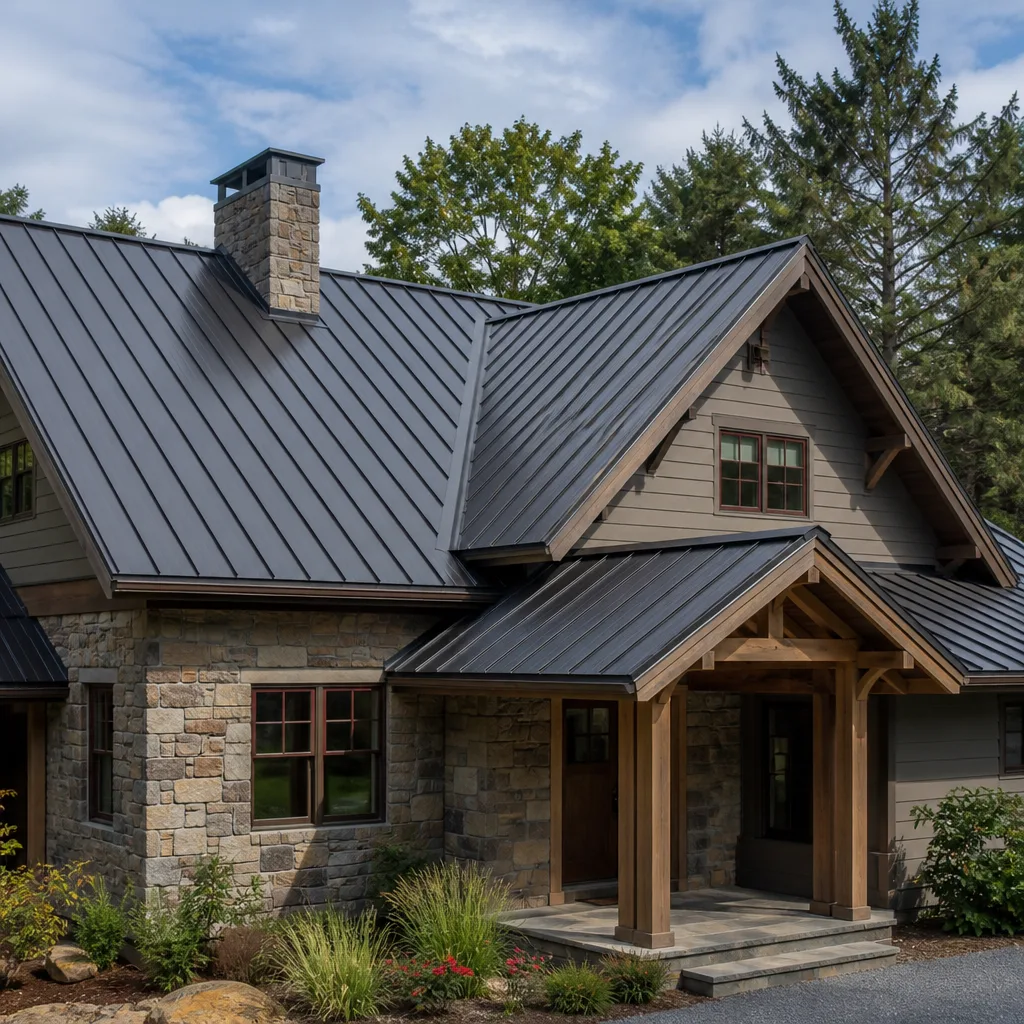 Metal roofing
 Architectural shingles
 Tile roofing
 GAF
GAF Owens Corning
 Flat & low-slope
Free roof inspection with deck photos before we talk money - GAF and Owens Corning certified installation
Seasonal Roofing Care for Orange County: Year-Round Homeowner’s Guide
Orange County averages about 14 inches of rain per year, yet nearly 80% of it falls in a four-month window between November and February. That means a roof that has a slow leak in January was already failing in September, and the rain just exposed it. The inspection that matters most happens before the rain, not after. Our Complete Guide to Roofing in Orange County walks through the four distinct roof-stress periods Orange County actually experiences: Santa Ana wind season, winter rain concentration, post-rain transition, and the long summer UV and thermal cycle. Each one demands a different maintenance response, and most generic seasonal guides miss that entirely.
Styles & brands we work with
Quick Answer
Seasonal roof care in Orange County should follow four stress periods rather than four calendar seasons. Inspect and secure the roof before Santa Ana winds arrive in September and October, check drainage and flashing before and during the November-to-February rain window, audit for rain and wind damage in March, and focus on UV, thermal-cycling, and coastal-mildew maintenance from April through August. A professional roof inspection in Orange County typically costs $200 to $400, while targeted repairs on concrete tile or asphalt shingle roofs usually run $350 to $900 depending on what the inspection turns up. For help deciding whether to tackle maintenance yourself or call a pro, see our DIY vs Professional Roofing: The Orange County Homeowner’s Decision Guide.
Table of Contents
- Pre-Santa Ana Prep: September to October
- Rain-Season Inspection and Response: November to February
- Post-Rain Damage Audit: March
- UV and Thermal Season Maintenance: April to August
- Thermal Cycling Stress on Concrete Tile
- Santa Ana Wind Damage Beyond Missing Tiles
- Marine Layer Mildew and Algae on Coastal Roofs
- Post-Event Documentation for Insurance Claims
- Common Mistakes to Avoid
- When to Call a Professional
- Frequently Asked Questions
- The Bottom Line
Pre-Santa Ana Prep: September to October
Santa Ana winds in Orange County typically begin in late September and peak in October and November, with gusts that regularly exceed 50 mph in canyon corridors like the Santa Ana foothills, the 91 corridor, and areas around Irvine Regional Park. Our roofing company in Orange County sees more wind-related service calls in this window than any other two-month stretch of the year. The prep work is straightforward but specific.
What to do before wind season:
- Walk the perimeter and photograph the roof. Use a camera or phone from ground level and take clear photos of each roof plane, the ridge line, and all pipe penetrations. These baseline photos matter later if wind damage occurs. They establish condition before the event.
- Check ridge caps and hip tiles. Ridge caps are the tiles or shingles that run along the peak of the roof. In Orange County, many concrete tile roofs use mortar-set ridge caps, and mortar breaks down faster here than homeowners expect. Loose mortar means loose caps, and loose caps become projectiles in 60 mph gusts.
- Inspect pipe boot flashings. A pipe boot is the rubber or neoprene collar that seals around plumbing vents. Sun and heat dry these out, and Santa Ana winds then tear the dried material. A cracked pipe boot leaks during the first good winter rain even if no tile moved.
- Secure or clear gutter attachments. Half-round and K-style gutters both fail at the hanger first. Walk the gutter line and look for sections that have pulled away from the fascia board. A loose gutter in a Santa Ana event will tear free and take a section of drip edge with it.
- Trim overhanging branches. Eucalyptus and pepper trees are common in Orange County and both drop limbs during wind events. A limb that scrapes the roof in calm weather will impact it in wind weather.
The materials most exposed in this season are not the tiles themselves. It is the mortar, the flashings, and the attachment points. A roof that passes a September inspection with tight ridge caps, intact pipe boots, and secured gutters will usually come through October and November with nothing more than surface debris.
Rain-Season Inspection and Response: November to February
Orange County’s rain is compressed. When we get it, we get it in bursts. A single atmospheric river event can drop three inches in a day, and roofs that have been dry for nine months suddenly carry water they have not carried in a year. The failures we see in this window are rarely sudden. They are failures that have been waiting.
What to check during the rain season:
- Interior ceilings and attic surfaces after the first heavy rain. Look for water stains, peeling paint, or dark rings around ceiling penetrations like recessed lights and vents. A stain that appears after the first rain of the season tells you the leak already existed before the rain started.
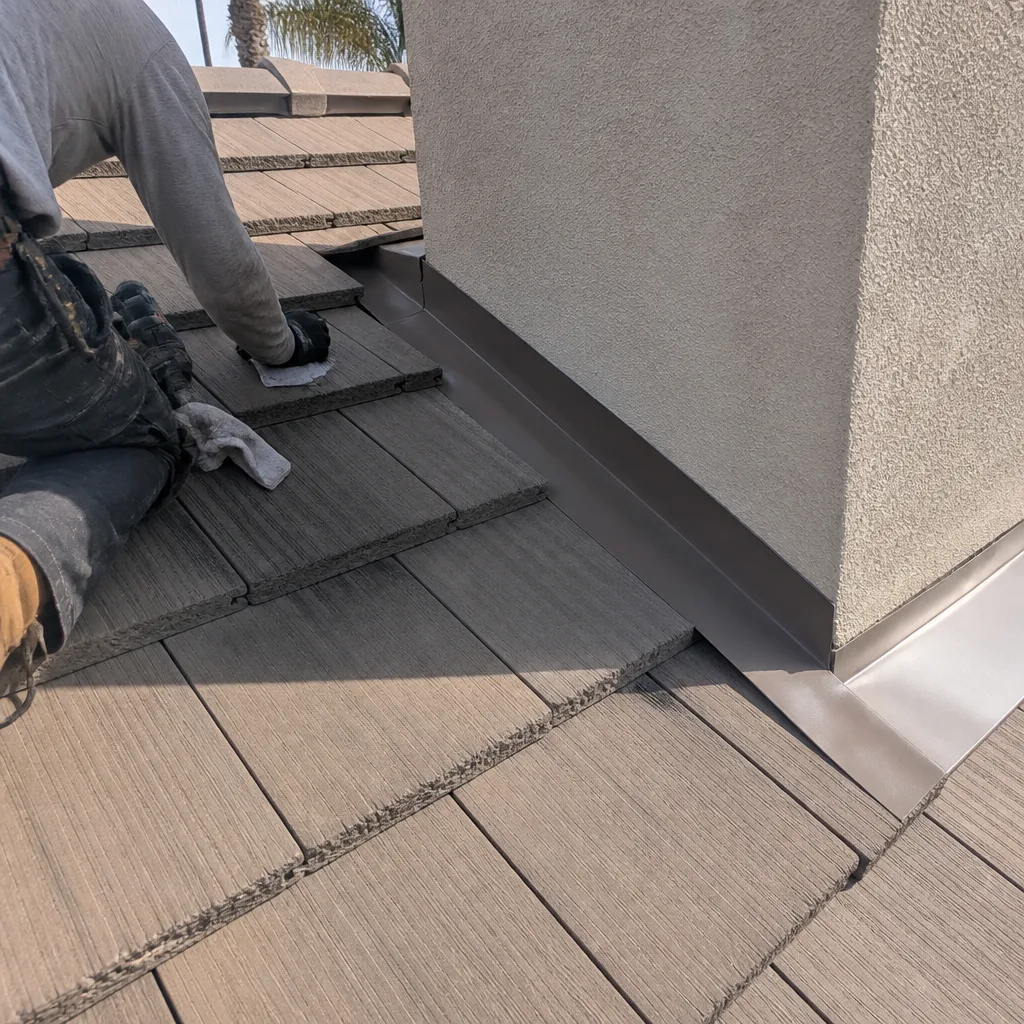
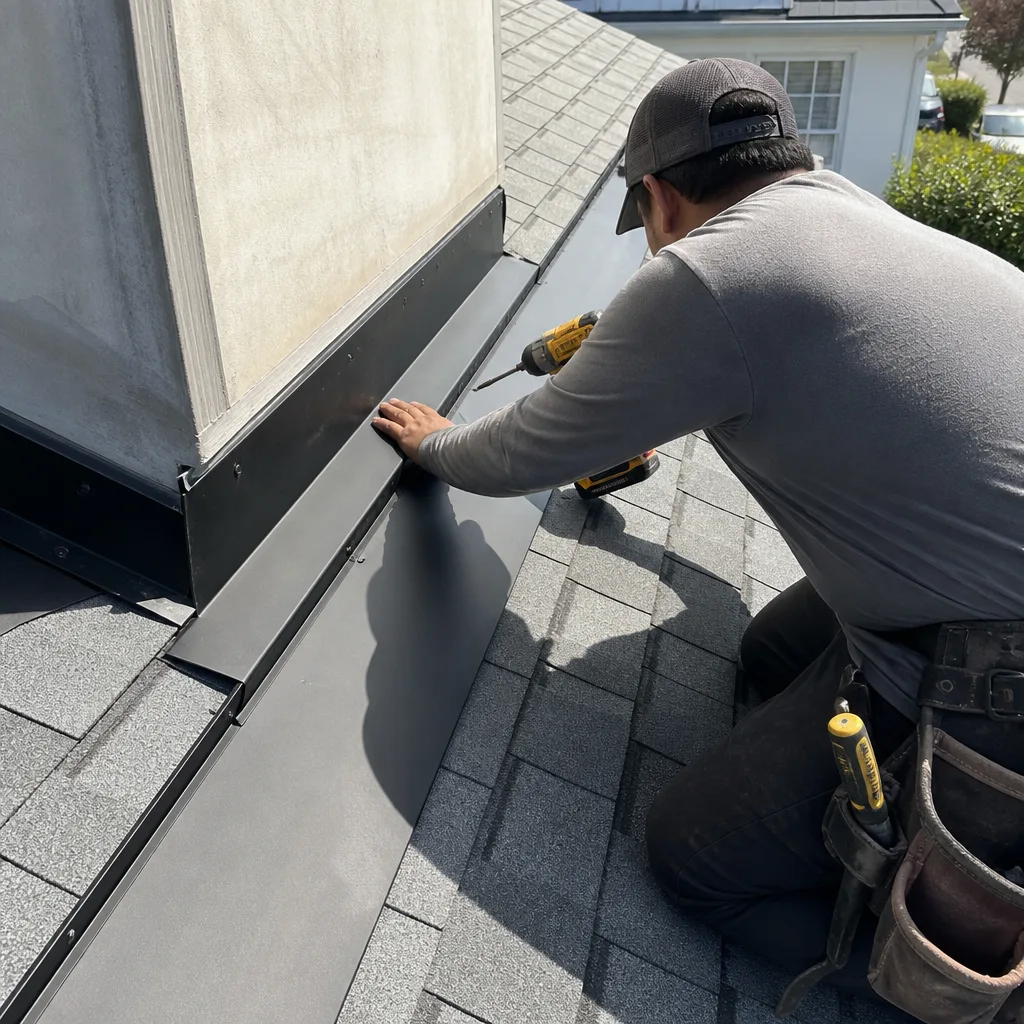
- Flashing transitions around chimneys, skylights, and wall intersections. Flashing is the metal material that seals the joint where the roof meets a vertical surface. In Orange County, most leaks during rain season are flashing failures, not tile failures.
- Downspout discharge. During rain, go outside and look at where each downspout discharges. If water is not flowing at the discharge, the downspout is clogged or the gutter is holding water. Water that backs up in a gutter finds the path of least resistance, and that path is often under the roof edge into the fascia and soffit.
- Debris accumulation in valleys. Roof valleys are the interior angles where two roof planes meet and channel water toward the gutter. Orange County’s native oak, sycamore, and pine drop enough material into valleys during wind season to dam water and force it sideways under the surrounding tiles or shingles.
If you find a leak during this window, the first job is to get water under control and document the damage for any insurance claim. The second job is to get a qualified roofer out. A persistent small leak inside a known, documented area usually runs $350 to $700 to repair, and that number climbs the longer water tracks through decking and drywall. Our team at Brennan Roofing performs roof repair in Orange County with a written price before any work starts. No exceptions.
Post-Rain Damage Audit: March
By March, the rain has mostly stopped and the Santa Ana season has wound down. This is the month to look at the roof as an accountant might: what actually happened, what it cost, and what needs to be addressed before the dry season locks conditions in for the next eight months. If you are planning to bring in a pro, our How to Hire a Roofing Contractor in Orange County: A Step-by-Step Guide covers what to ask and what to verify.
March audit tasks:
- Compare current roof condition to the September baseline photos. If you took those photos, this is where they earn their value. Tile that has shifted, caps that have cracked, and flashing that has lifted will all be visible in a side-by-side comparison.
- Check for granule loss on asphalt shingle roofs. Asphalt shingles shed granules over time, and storm-driven rain accelerates the loss. If you see granules collecting in gutters or at downspout bases, the shingles are aging faster than the calendar suggests. This is especially true on south-facing and west-facing roof planes in Orange County, which take the brunt of summer sun.
- Inspect the underlayment condition where visible at eaves and rakes. Underlayment is the water-resistant material installed between the roof deck and the finished roof surface. At the edges, where the eave metal and drip edge meet, underlayment can become visible after wind and rain. If it is cracked, curled, or torn, water has a clear path into the decking during the next rain season.
- Document and file any repair receipts, inspection reports, and photos. Roof maintenance is a paper trail. When you eventually sell the home in Orange County, a maintenance file shows the roof has been looked after and reduces negotiation friction.
March is also the cheapest month to schedule a roof inspection in Orange County. While the rest of the country is just thawing out, our local crews are in a relatively quiet window between rain response and summer re-roofing demand. Inspection scheduling is faster and prices are steady.
UV and Thermal Season Maintenance: April to August
Orange County’s long dry season is not idle time for a roof. It is the season when UV radiation, sustained heat, and daily temperature swings do slow, cumulative work on materials. Asphalt shingles lose volatile oils. Concrete tile absorbs heat. Metal flashing expands and contracts. None of this is dramatic, but over years it is decisive.
Maintenance priorities during the dry months:
- Clean debris from valleys, gutters, and behind chimneys. Dry debris is not an immediate leak risk, but it becomes one the moment rain returns. Organic material also holds moisture from marine-layer fog and sprinklers, which accelerates deterioration of the underlying roof surface.
- Inspect for cracked or slipped tiles on south- and west-facing planes. These planes absorb the most direct sun in Orange County. Thermal expansion and contraction eventually cracks tiles, especially older concrete tile with faded or worn surface coatings.
- Check sealant joints around vents, skylights, and flashings. Caulk and sealant cure and fail faster in high-UV climates. Orange County is a high-UV climate. Plan to reseal these joints every five to seven years, sooner on the hottest exposures.
- Look for curling, buckling, or granule loss on asphalt shingles. Curling at edges is a sign the shingle has lost enough flexibility to no longer lie flat. Buckling indicates the decking below has moved. Both are visual early warning signs that a roof replacement is approaching on the horizon, usually within three to five years.
Summer is also the most practical season for a full roof replacement in Orange County. Dry weather means tear-off proceeds without weather interruptions, and most manufacturers offer better material availability during the summer months. We install from manufacturer lines including CertainTeed, GAF, Boral, and others, and every job starts with a written price before any work begins.
Thermal Cycling Stress on Concrete Tile
Concrete tile is the most common roofing material in Orange County, and it has a specific weakness that most homeowners do not learn about until something fails. Inland areas like Yorba Linda, Anaheim Hills, and Rancho Santa Margarita commonly see 40-degree temperature swings between morning and afternoon during summer. That daily cycle of heating and cooling works on the mortar and flashing joints that hold ridge caps, hip tiles, and valley transitions in place.
Here is the mechanism: concrete tile expands when hot and contracts when cool. Mortar does not expand and contract at the same rate. Over years, this differential movement cracks mortar and breaks the bond between tile and cap. The result is a ridge cap that looks fine from the ground but lifts away in the first strong wind. Flashing joints at walls and chimneys face the same stress, and they fail as slow-developing separations that leak only when rain arrives with enough force to push water sideways.
Coastal Orange County homes, from Dana Point through Newport Beach, do not see the same thermal swings. Marine air moderates the daily range. That is why the same roof installed the same year in Tustin and in Corona del Mar can age very differently. The Tustin roof endures more thermal movement and typically needs mortar and flashing attention several years earlier.
What to watch for on concrete tile roofs:
- Hairline cracks along mortar joints at the ridge and hips. These are the first visible sign of thermal stress. When the crack opens enough to let water in, the next rain season becomes the problem.
- Loose ridge caps that move when pressed. A roofer will check this during an inspection, but homeowners can often see daylight through gaps at the ridge from the right angle.
- Sand-like mortar dust in gutters. Mortar that is degrading washes a fine material into the gutter system. If you see gritty material that is not shingle granules, it is likely mortar wearing away.
- Visible separation between tile and flashing at vertical walls. This gap lets water run behind the flashing and into the wall assembly.
We have repaired thermal stress failures on concrete tile roofs across inland Orange County more often than any other single service category. The fix is usually re-mortaring ridge and hip lines and resealing flashing joints, with typical repair pricing running $450 to $1,100 depending on the linear footage involved.
Santa Ana Wind Damage Beyond Missing Tiles
Most homeowners know to look for missing tiles after a Santa Ana event. That is the visible damage. The more expensive damage is usually the damage you cannot see from the ground, and it happens in a predictable sequence at wind speeds above 50 mph.
What actually fails, in the order it usually fails:
- Pipe boot flashings. The rubber collar around plumbing vents dries out in the sun and then fails when the wind flexes it. Once the boot splits, rain can enter directly around the vent pipe. This is the most common wind-related leak we find on Orange County roofs, and it frequently shows up weeks after the wind event when the first rain arrives.
- Ridge cap mortar joints. Wind gets under the cap at the ridge and lifts. If the mortar bond is already weakened by thermal cycling, the cap releases. A single loose ridge cap can be replaced, but if the entire ridge line is loose, the repair involves removing and re-setting every cap along that run.
- Gutter hanger attachments. Wind-driven debris hits the gutter, and sustained pressure works on the hanger screws. When the gutter pulls away from the fascia, it takes the drip edge with it, and water then enters at the roof edge during the next rain. The drip edge is the metal strip that directs water from the roof edge into the gutter.
- Valley flashing. The metal that runs in roof valleys takes lateral force from wind. If the flashing lifts even slightly, water gets under it during rain. Valley flashing failures are hidden by design, which makes them a common source of leaks that are hard to diagnose from inside the attic.
- Antenna mounts, satellite dish brackets, and solar panel penetrations. Any after-market penetration is a weak point. Wind loads the attachment point and the sealant around it fails. We find more leaks at satellite dish brackets and old antenna mounts than at any other roof penetration except plumbing vents.
After any Santa Ana event with gusts above 50 mph, a professional inspection is the cheapest insurance available. Wind damage that goes unrepaired from October will become a rain leak in December.
Marine Layer Mildew and Algae on Coastal Roofs
Coastal Orange County has a roof problem that inland homes never see. The marine layer that sits over Dana Point, Laguna Beach, Newport Coast, and Corona del Mar from May through July keeps north-facing roof sections damp for hours each morning. Combine that persistent moisture with organic debris, and you get mildew and algae growth that silently degrades roofing materials.
North-facing roof planes are the target. They get the least direct sun and hold moisture longest. On asphalt shingle roofs, algae growth appears as dark streaks that slowly spread from the eave upward. On concrete tile, algae and mildew create a green or black film that works into the surface porosity of the tile. The growth is not just cosmetic. It holds moisture against the surface continuously, and on shingle roofs that organic growth feeds on the limestone filler in the shingles, shortening effective lifespan.
Homes within two miles of the ocean see the heaviest growth. Homes five to ten miles inland, even in neighborhoods with similar tree cover, rarely see it. This is a proximity-to-marine-moisture issue, not a shade issue.
What to do if you see dark streaks or green film on a north-facing plane:
- Have the growth identified. Mildew, algae, and moss are three different organisms and the treatment differs. Algae is the most common in coastal Orange County, and it responds to cleaning compounds that target it specifically.
- Use a low-pressure soft wash, never a pressure washer. Pressure washing strips granules from asphalt shingles and damages the surface coating on concrete tile, shortening roof life. The cleaning must be low-impact.
- Evaluate whether tree trimming or roof ventilation changes would help. If a tree canopy keeps the north plane in permanent shade, trimming branches to allow a few hours of afternoon sun can significantly slow regrowth.
- Consider algae-resistant shingles if replacement is approaching. CertainTeed, Owens Corning, and GAF all manufacture shingle lines with copper-infused granules that inhibit algae growth. On coastal Orange County homes, this is one upgrade that pays for itself in reduced maintenance.
- Photograph the exterior from all four sides, standing far enough back to capture the full roof plane and the condition of the surrounding area. These establish context and show the roof as a whole. Do this before any repair or cleanup work starts.
- Move closer and photograph the specific damage areas. For each damaged section, take three photos: one from 10 feet back, one from 3 feet, and one close-up that fills the frame with the damaged area. The close-up should show the edge of a crack, the separation at a joint, or the missing material clearly.
- Get on the roof only if it is safe, and photograph the damage from directly above. If you cannot safely get on the roof, hire a roofer to do it. Adjusters need to see the damage from the same angle the repair contractor sees it from.
- Photograph the interior damage. Water stains, warped drywall, and visible leaks all need documentation. Photograph the ceiling, then the attic space directly above it, then any wet insulation or decking. Water travels downhill, so photograph the full path from entry point to damage location.
- Document immediate mitigation steps. If you tarp a leak or secure a loose tile, photograph the temporary repair when it is done. Adjusters want to see that the homeowner took reasonable steps to prevent additional damage, and temporary repairs do not void coverage when documented.
- Keep a written log. Date, time, location, description of damage, and photos taken. This log becomes the claim narrative.
- Waiting until the rain leaks to have the roof looked at. By the time water shows up inside, the failure existed long before the rain started. The pre-rain inspection is the whole point of seasonal care in Orange County.
- Assuming concrete tile means zero maintenance. Tile is durable, but the mortar and flashing that hold the system together are not. Thermal cycling in inland Orange County ages those components faster than the tile itself.
- Ignoring north-facing coastal roof planes. If you live in Dana Point, Laguna Beach, or Newport Coast, the marine layer is working on your roof every summer. Algae and mildew growth that looks cosmetic is degrading the surface.
- Cleaning the roof with a pressure washer. Pressure washing is the fastest way to shorten the lifespan of both shingle and tile roofs. Granules strip from shingles and tile coating is damaged. Soft wash only, and low pressure at that.
- Not photographing the roof before wind season. Baseline photos are the single most useful documentation tool a homeowner can have. They establish condition before wind events and make insurance claims dramatically easier.
- Choosing a contractor on price alone after storm damage. Storm chasers work Orange County after Santa Ana events and big rain years. Many produce low bids, start work, and disappear. Check that the company has local presence, real accountability, and a written price before work starts.
Post-Event Documentation for Insurance Claims
If storm or wind damage occurs in Orange County, the documentation you produce in the first 48 hours determines how smoothly the insurance claim goes. Most homeowners photograph too late, from too far away, and without the detail adjusters actually need.
Documentation protocol, in order:
A note from experience: adjusters respond to specificity. A photo of a ceiling stain with a water mark visible at the drywall seam gives them everything they need. A photo of a dark blob on the roof taken from the street at dusk gives them nothing. Take the best photos you can, and if you cannot get the angles, call a roofer who can.
Common Mistakes to Avoid
When to Call a Professional
Call a professional roofer when you see water stains inside the home, daylight visible through roof boards in the attic, missing or broken tiles, ridge caps that have shifted, flashing that has separated from walls, persistent leaks around pipe boots or skylights, or any gutter or drip edge damage. Also call after any Santa Ana event with sustained gusts above 50 mph, even if you see no obvious damage. Wind stress hides in ridge caps, valley flashing, and pipe boot collars. A leak that goes unrepaired from September becomes an interior damage claim in December. Brennan Roofing Co Orange County offers free estimates for roof repair in Orange County, and every job comes with a written price before any work begins. Call (559) 258-5703 to schedule an inspection.
Frequently Asked Questions
Once per year, ideally in September before wind and rain season, is the right cadence for most Orange County roofs. Homes over 20 years old, homes in high-wind canyon corridors, and homes within two miles of the coast may benefit from a second inspection in March. A standard roof inspection in Orange County typically costs between $200 and $400. Call (559) 258-5703 for a quote.
Seasonal maintenance tasks like debris clearing, gutter cleaning, sealant touch-up, and visual inspection typically run $250 to $500 per visit depending on roof size, pitch, and access. If the inspection turns up repair needs, targeted repairs on concrete tile or asphalt shingle roofs usually run $350 to $900. Every Brennan Roofing job starts with a written price before any work begins, so there are no surprises. Call (559) 258-5703 to schedule a free estimate.
Most well-maintained Orange County roofs with tight ridge caps, intact pipe boots, and secured gutters will survive Santa Ana winds with nothing more than surface debris. The roofs that fail in 60 mph gusts usually had pre-existing weaknesses: cracked mortar, dried pipe boots, or loose flashing. A pre-wind-season inspection is the best way to know which category your roof falls into. Call (559) 258-5703 to schedule one.
Yes. Coastal Orange County homes face persistent marine layer moisture that inland homes do not. North-facing roof planes in Dana Point, Laguna Beach, and Newport Coast can develop algae and mildew growth that shortens material life. An annual inspection with attention to coastal exposure factors is the right approach, and algae-resistant shingles are worth considering when replacement time arrives. Call (559) 258-5703 for an assessment.
The 365-Day Done Right Promise is a written guarantee that covers every Brennan Roofing repair and installation for one full year. If the work fails within that period, we return and fix it at no charge. That guarantee is in writing before any work begins, along with the price. Nothing moves at the door and nothing is left to interpretation. Call (559) 258-5703 for details specific to your roof.
Most residential roof replacements in Orange County take three to seven working days from tear-off to final inspection, depending on roof size, pitch, material type, and whether the decking needs repair. Your written estimate will state an expected duration along with a fixed price. Call (559) 258-5703 for a free replacement estimate.
The Bottom Line
Orange County roofs fail on a predictable schedule tied to four stress periods: Santa Ana wind season, winter rain concentration, post-rain transition, and the long summer UV and thermal cycle. The homeowner who inspects before the wind and rain arrives, audits after the rain stops, and maintains during the dry season will get more years from a roof than the homeowner who reacts to leaks when they appear. For more guides & resources on protecting your roof, explore our blog, or if you want a professional inspection, a written price, and a workmanship guarantee in writing for a full year, call Brennan Roofing Co Orange County at (559) 258-5703. The estimate is free, the price goes on paper before any work starts, and the standard is the same on every job.
Written by Travis Oakley, Owner at Brennan Roofing Co Orange County, serving Orange County since 2000.
See the difference
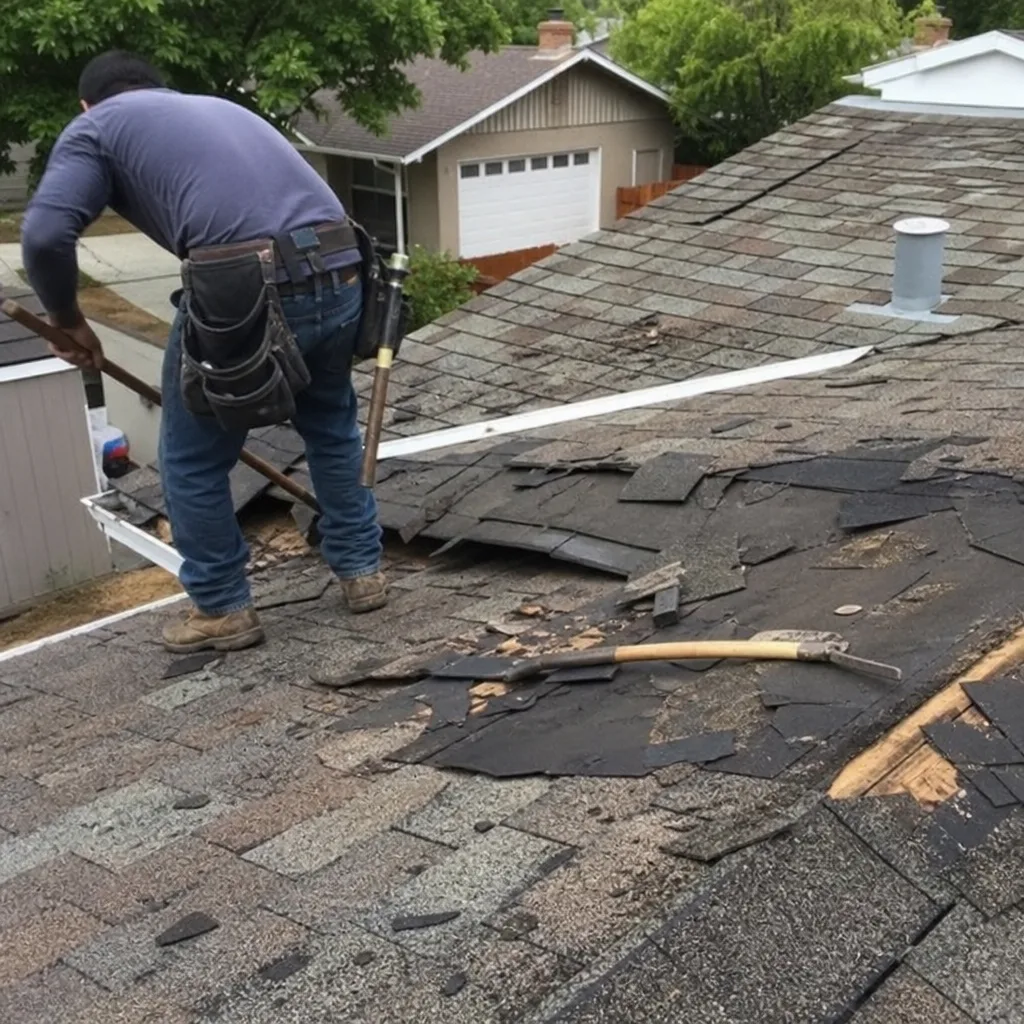 Before
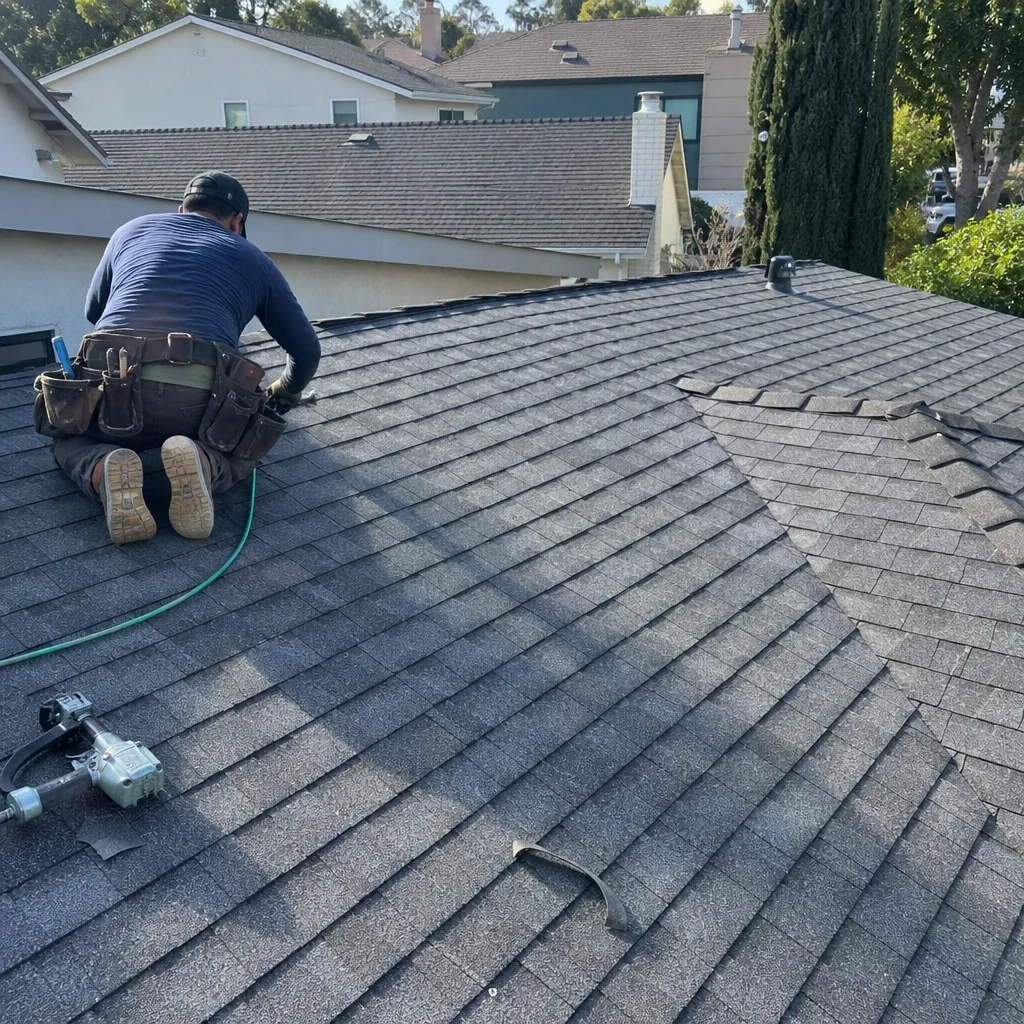 After
After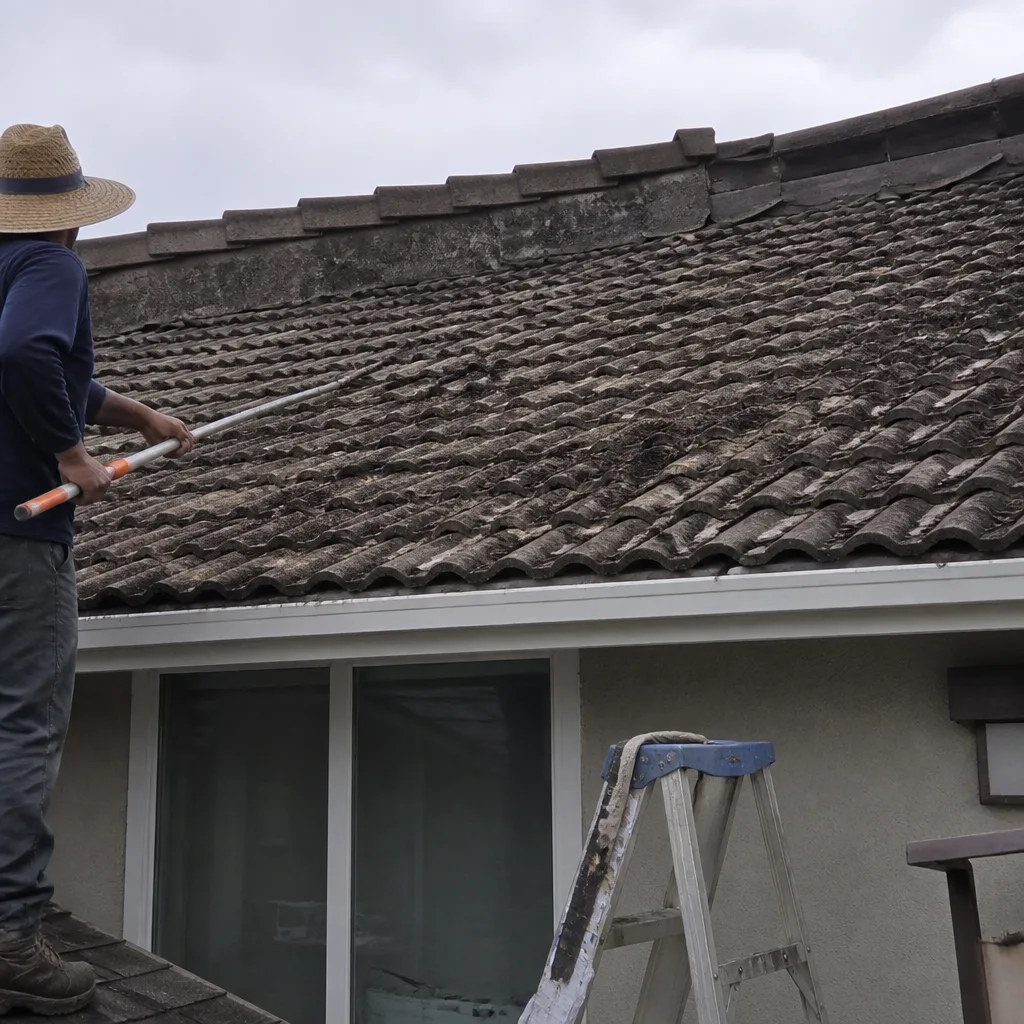 Before
 After
After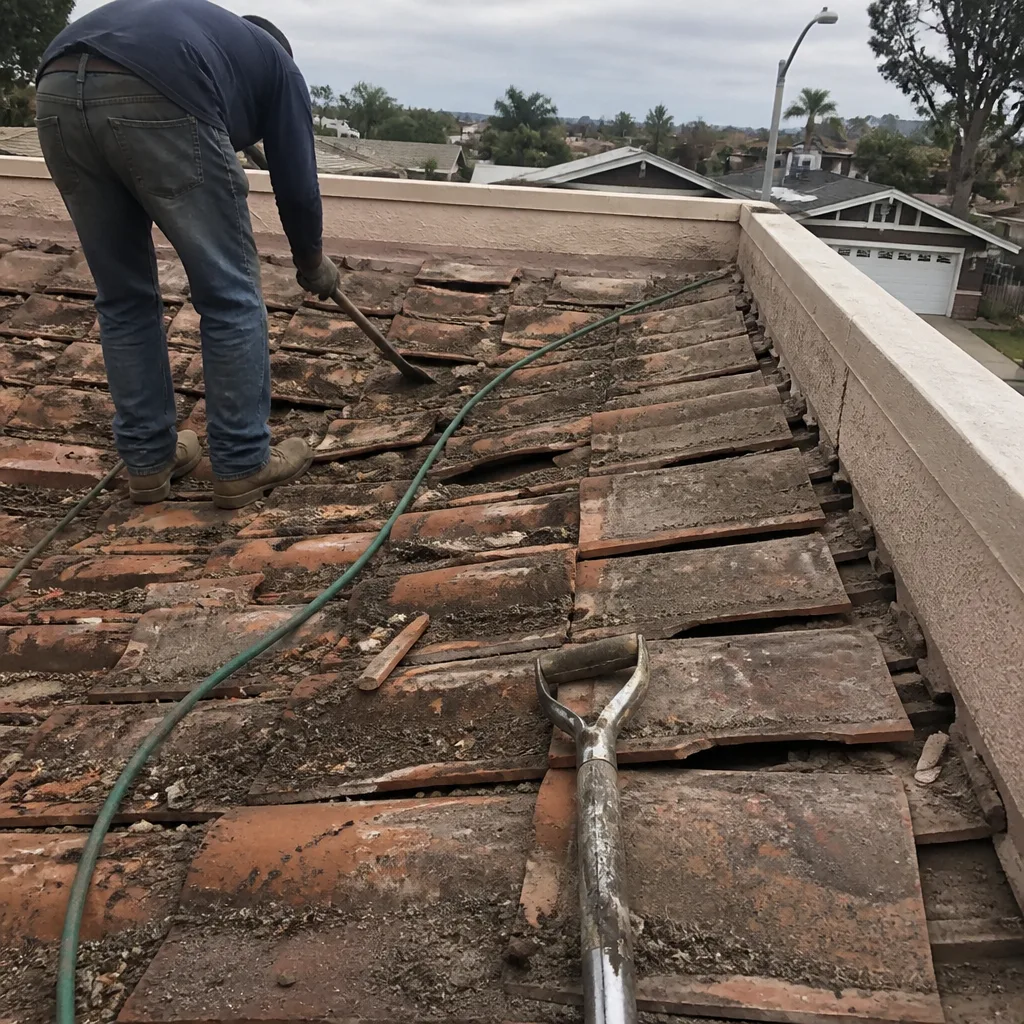 Before
 After
After